
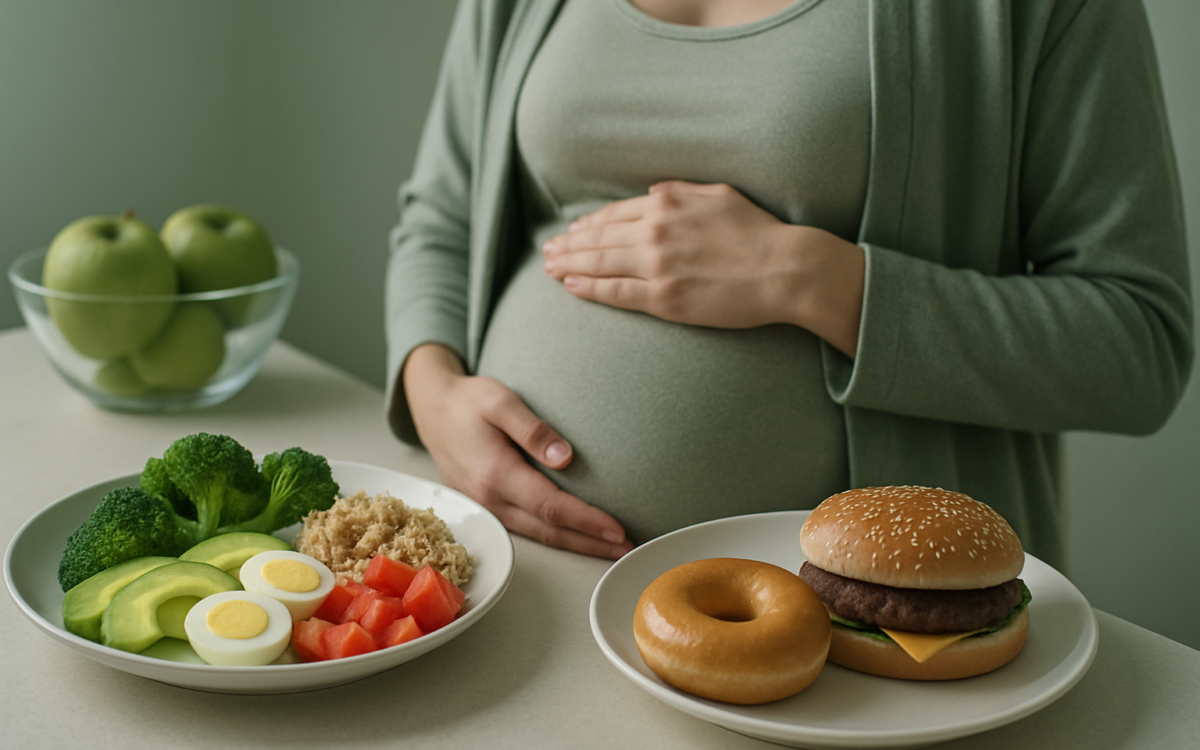
When you’re expecting, your body is working hard to nourish the little one growing inside. Nutrition plays a critical role during pregnancy, influencing both your health and the development of your baby. It’s important to make informed choices about what to eat and which foods to avoid. This guide will explore the best foods to fill your plate with and those to steer clear of, making your pregnancy journey healthier and more enjoyable.
Foods to Embrace for Optimal Health
During pregnancy, certain foods can provide essential nutrients to support your growing baby. Here are some nutritious options to consider:
1. Fruits and Vegetables
- Leafy greens: Spinach, kale, and broccoli are rich in folate, which helps prevent neural tube defects.
- Berries: These are loaded with antioxidants, vitamins, and fiber, making them great snacks.
- Citrus fruits: Oranges, grapefruits, and lemons are good sources of vitamin C, aiding iron absorption.
2. Whole Grains
- Brown rice: A healthy source of carbohydrates that provide energy and fiber.
- Oats: Packed with iron and fiber, they make a nutritious breakfast option.
- Quinoa: A complete protein, quinoa is gluten-free and full of essential amino acids.
3. Protein-Rich Foods
- Lean meats: Chicken and turkey are excellent sources of protein and iron.
- Fish: Salmon and sardines are high in omega-3 fatty acids, which are important for brain development. However, choose low-mercury options.
- Legumes: Beans, lentils, and chickpeas provide fiber, protein, and iron.
4. Healthy Fats
- Avocados: Rich in healthy fats and folate, they support fetal growth.
- Nuts and seeds: Almonds, walnuts, and flaxseeds provide essential fatty acids and minerals.
- Olive oil: A heart-healthy fat, it’s a great choice for cooking and dressings.
Foods to Avoid for a Safe Pregnancy
While there are many beneficial foods, certain items can pose risks for you and your baby. Here’s a guide to what to avoid:
1. Raw or Undercooked Foods
- Raw eggs: These can carry Salmonella, leading to foodborne illness.
- Undercooked meats: Always ensure meat is cooked fully to avoid bacteria.
- Sushi: Raw fish can harbor parasites and should be avoided unless cooked.
2. Certain Seafood
- High-mercury fish: Avoid shark, swordfish, and king mackerel due to high mercury levels.
- Raw shellfish: These can also lead to foodborne illnesses.
3. Caffeine and Alcohol
- Caffeine: Limit your intake to less than 200 mg per day, equivalent to about one 12-ounce cup of coffee.
- Alcohol: No amount of alcohol has been proven safe during pregnancy, so it’s best to avoid it altogether.
Tips for Healthy Meal Planning
Planning your meals can make a big difference in meeting your nutritional needs. Here are some helpful tips:
- Eat small, frequent meals: This can help manage nausea and keep your energy steady.
- Stay hydrated: Drink plenty of water throughout the day.
- Plan balanced meals: Aim for a variety of foods from all food groups for a well-rounded diet.
When to See a Doctor
If you have specific dietary restrictions, health conditions, or if you’re unsure about which foods are safe, consult your healthcare provider or a registered dietitian. They can provide personalized guidance to ensure you and your baby are getting the nutrients you need.
Final Thoughts
Embracing a healthy diet during pregnancy can positively impact both your health and your baby’s. Prioritize nourishing foods, while being cautious with those that may pose risks. Remember, every pregnancy is unique, so stay in touch with your healthcare provider to make the best choices for you and your growing family.
