
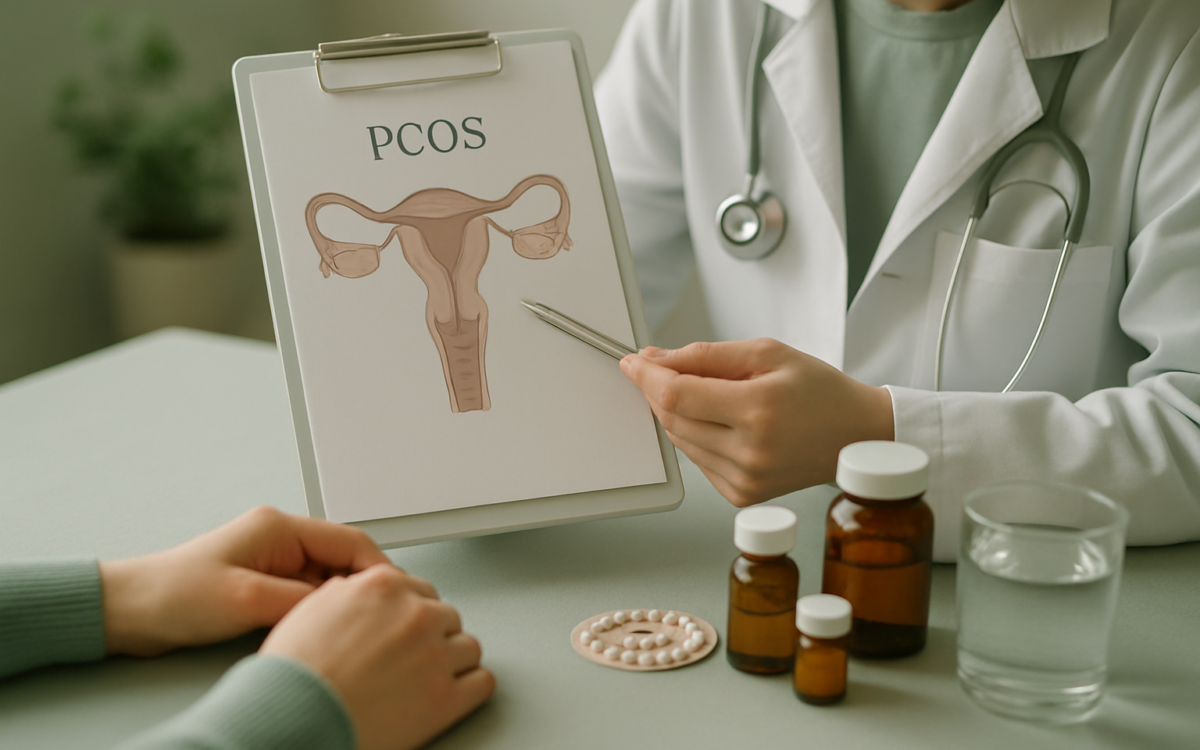
Polycystic Ovary Syndrome (PCOS) is a hormonal disorder that affects many women of reproductive age. If you’re experiencing irregular periods, weight gain, or excessive hair growth, you may be among those grappling with PCOS. Understanding the treatment options available can be the first step in managing the symptoms and improving your quality of life.
Understanding PCOS
PCOS is characterized by hormonal imbalances that can lead to a range of symptoms, such as irregular menstrual cycles, acne, and difficulty getting pregnant. The exact cause of PCOS remains unclear, but factors like genetics, insulin resistance, and inflammation are believed to play significant roles. Managing PCOS often requires a combination of lifestyle changes and medical treatments, making it essential to understand the various approaches available.
Lifestyle Changes
One of the most effective ways to manage PCOS is through lifestyle changes. These adjustments can help regulate your menstrual cycle and improve insulin sensitivity, making symptoms more manageable.
- Diet: Focus on a balanced diet rich in whole foods, lean proteins, fruits, and vegetables. Reducing refined carbohydrates and sugars can help manage insulin levels.
- Exercise: Regular physical activity can help with weight management and improve insulin sensitivity. Aim for at least 150 minutes of moderate activity each week, such as brisk walking, biking, or swimming.
- Weight Management: Even modest weight loss can significantly improve symptoms for overweight or obese women. Losing just 5-10% of your body weight can lead to more regular periods and improved hormone levels.
Medications for PCOS
If lifestyle changes alone aren’t enough, several medications can help manage PCOS symptoms. Always consult your healthcare provider to determine the most suitable options for your situation.
- Hormonal Birth Control: Birth control pills are often prescribed to regulate menstrual cycles, reduce acne, and minimize excessive hair growth. These pills contain a combination of estrogen and progestin, which can help balance hormone levels.
- Metformin: Commonly used to treat type 2 diabetes, Metformin can improve insulin sensitivity and help lower blood sugar levels. This medication may also aid in restoring regular menstrual cycles in women with PCOS.
- Anti-androgens: Medications like spironolactone can help reduce male hormone levels, which may alleviate symptoms such as hirsutism (excessive hair growth) and acne.
Fertility Treatments
If you’re experiencing difficulty conceiving due to PCOS, several fertility treatments may be beneficial. Your healthcare provider can guide you through the various options:
- Clomiphene Citrate: This medication is often the first-line treatment for women with PCOS who are struggling to conceive. It works by stimulating ovulation.
- In Vitro Fertilization (IVF): If medications are not successful, IVF may be considered. This process involves retrieving eggs and fertilizing them outside the body before implanting them into the uterus.
International Perspectives on Treatment Options
For those exploring treatment options outside of the United States, various countries offer unique approaches to managing PCOS. Some women are opting for treatment in Turkey, where healthcare providers may offer a blend of traditional and modern therapies tailored to individual needs. Consulting with international healthcare providers can provide fresh insights and alternatives not typically available in your home country.
Alternative Therapies
Some women find relief from PCOS symptoms through alternative therapies. While these are not universally effective, they can be helpful alongside conventional treatments.
- Acupuncture: Some studies suggest acupuncture may help improve insulin sensitivity and restore hormonal balance.
- Herbal Supplements: Certain herbs, like spearmint tea (which may help reduce hirsutism), have gained popularity for their potential benefits, though it’s essential to consult your doctor before trying any supplements.
- Stress Management: Mindfulness techniques, yoga, and meditation can promote overall well-being and help reduce stress, which can exacerbate PCOS symptoms.
When to See a Doctor
If you’re experiencing symptoms of PCOS or have concerns about your menstrual cycle, it’s important to consult a healthcare provider. They can help with diagnosing the condition, assessing your symptoms, and developing a tailored treatment plan. Early intervention can improve long-term health outcomes and overall quality of life.
Conclusion
Managing PCOS can be challenging, but a combination of lifestyle changes, medications, and potential alternative therapies can help streamline your journey. It’s crucial to work closely with healthcare professionals to find the most effective strategies for you. Remember, you’re not alone in this journey!
