
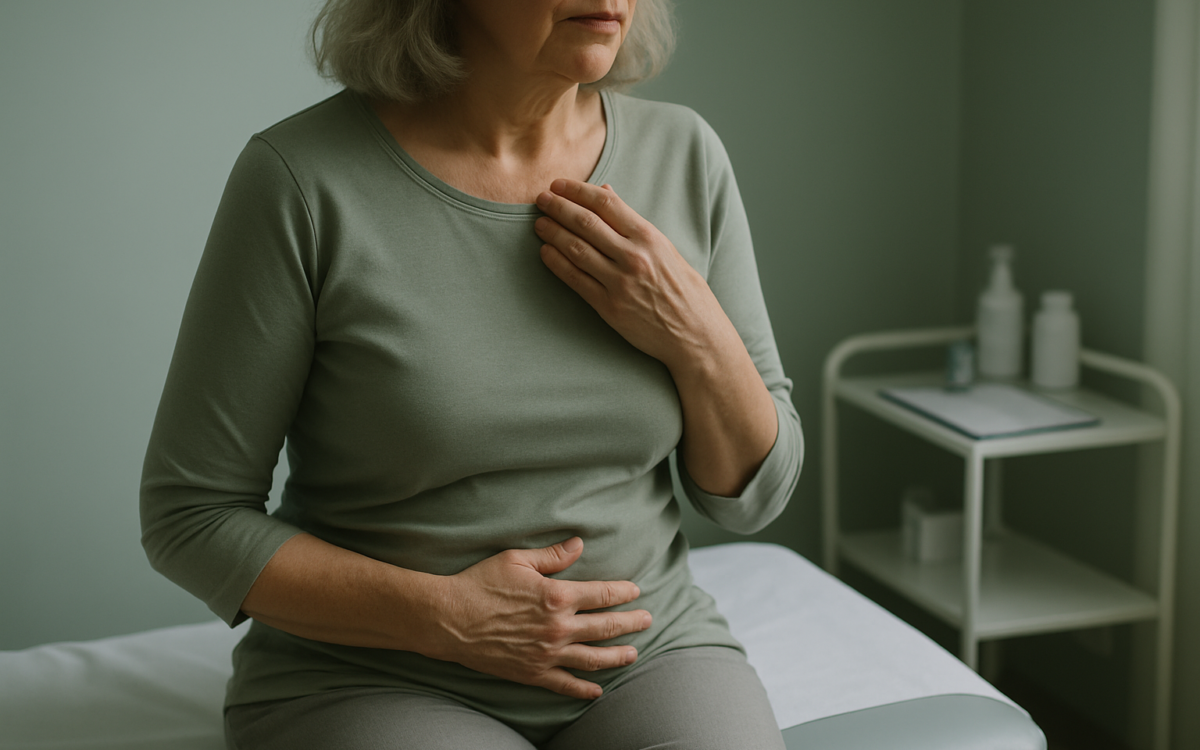
Menopause is a significant transition in a woman’s life, often accompanied by a range of symptoms that can impact daily living. The term “postmenopausal” refers to the time after a woman has not had her period for 12 consecutive months, marking the end of reproductive years. Understanding postmenopausal symptoms can empower women to manage their health better during this phase.
Common Postmenopausal Symptoms
Once menopause has occurred, many women experience a variety of symptoms due to hormonal changes in the body. Some of the most common postmenopausal symptoms include:
- Hot Flashes: Sudden feelings of warmth in the upper body, often accompanied by sweating and flushing.
- Night Sweats: Hot flashes during the night that can disrupt sleep.
- Vaginal Dryness: Decreased estrogen levels can lead to reduced lubrication, making sexual activity uncomfortable.
- Urinary Issues: Increased frequency of urination or urinary incontinence can occur.
- Mood Changes: Some women report feelings of irritability, anxiety, or depression.
- Sleep Disruptions: Difficulty falling asleep or staying asleep can become more common.
The Impact of Hormonal Changes
During menopause, the ovaries produce less estrogen, which is the hormone responsible for regulating the menstrual cycle and maintaining many body functions. As estrogen levels decrease, women may encounter several physical and emotional changes. Research indicates that these hormonal shifts can significantly impact mood and cognitive functions. Furthermore, the decline in estrogen is linked to health risks such as osteoporosis and cardiovascular disease.
Managing Symptoms Through Lifestyle Changes
While postmenopausal symptoms can be challenging, various lifestyle changes can help manage them effectively:
- Regular Exercise: Engaging in physical activity can help reduce hot flashes, improve mood, and promote better sleep. Aim for at least 150 minutes of moderate aerobic activity each week.
- Healthy Diet: A balanced diet rich in fruits, vegetables, whole grains, and lean proteins can support overall health. Calcium and vitamin D are particularly essential for bone health.
- Stress Management: Practices such as yoga, meditation, or deep-breathing exercises can help manage stress and mood fluctuations.
- Avoiding Triggers: Identifying and avoiding triggers like spicy foods, caffeine, and alcohol may reduce the frequency of hot flashes.
- Stay Hydrated: Drinking plenty of water can alleviate some symptoms, including dryness and fatigue.
Medical Interventions
For many women, lifestyle changes are effective. However, some may require medical interventions to manage postmenopausal symptoms. Hormone replacement therapy (HRT) is a common treatment that involves taking medications to replace hormones that are at lower levels. HRT can alleviate symptoms such as hot flashes and vaginal dryness. However, it is essential to discuss the benefits and risks with a healthcare provider, as HRT isn’t suitable for everyone.
In addition to HRT, other treatment options include:
- Non-hormonal Medications: Some antidepressants and medications for high blood pressure can be effective for hot flash management.
- Vaginal Moisturizers and Lubricants: These can help alleviate vaginal dryness and discomfort during intercourse.
Emotional Well-being and Support
Postmenopausal symptoms extend beyond physical health and can also affect emotional well-being. Feelings of anxiety, depression, or low self-esteem often arise during this time. It is critical to seek support from friends, family, or professional counseling if you are struggling emotionally.
Many women find comfort in joining support groups where they can share experiences and strategies with one another. Engaging in online forums or local meet-ups can help you connect with others facing similar challenges, fostering community and understanding.
When to See a Doctor
It is always advisable to consult a healthcare provider if you have concerns about your symptoms. You should seek medical advice if:
- Your symptoms are severe and disruptive.
- You experience any unusual bleeding or changes in your period.
- You have symptoms that don’t improve with lifestyle changes.
- You have a family history of hormone-related cancers and are considering hormone therapy.
Conclusion
Understanding and managing postmenopausal symptoms is vital for maintaining quality of life. While many women will face challenges during this transition, knowledge and support can make a significant difference. By adopting healthy lifestyle changes, exploring medical options when necessary, and seeking emotional support, women can navigate this phase with confidence and resilience. Remember, you don’t have to go through it alone; consult your healthcare provider for personalized advice and support.
