
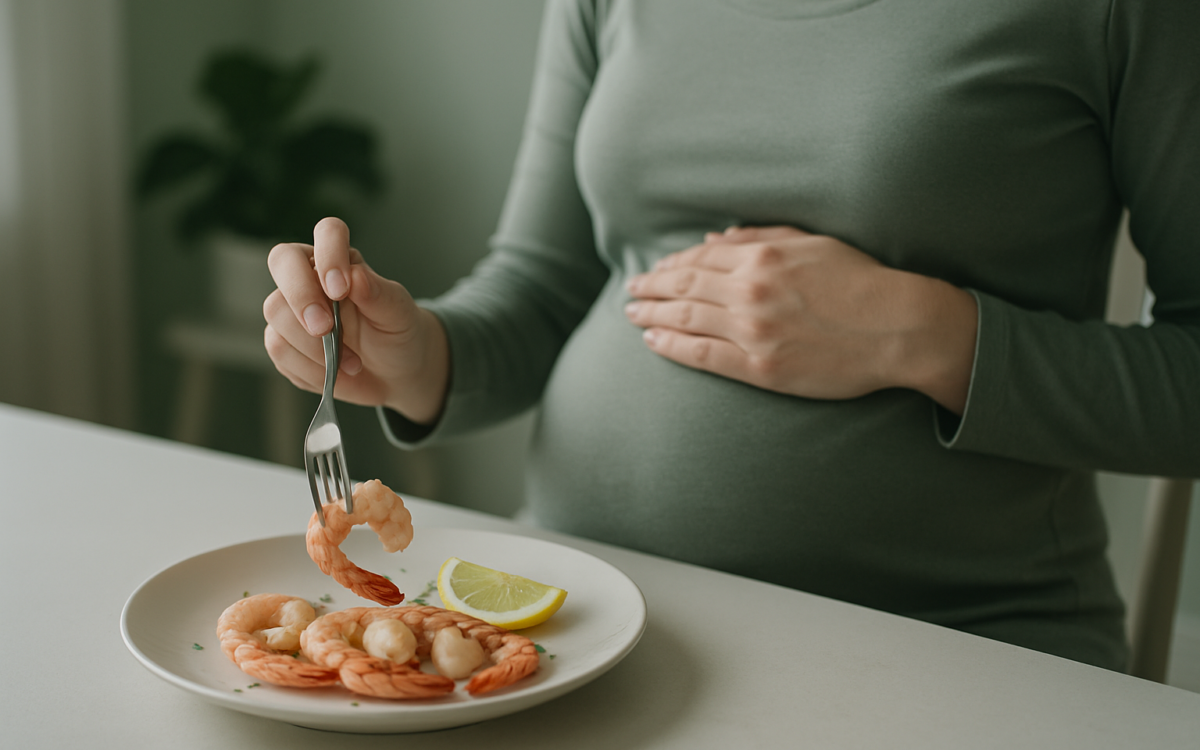
Pregnancy is a beautiful journey, filled with anticipation and preparation. Expectant mothers often find themselves contemplating many questions about their diet, especially when it comes to seafood. Among the common queries is whether it’s safe to eat shrimp while pregnant. Let’s dive into the nutritional benefits, safety considerations, and guidelines to help you make informed choices.
Nutrition Benefits of Shrimp
Shrimp is a popular seafood choice that many enjoy for its taste and versatility. When considering shrimp during pregnancy, it’s important to highlight its nutritional profile:
- High in Protein: Shrimp is an excellent source of lean protein, which is essential for the growth and development of your baby.
- Low in Fat: It contains minimal saturated fats, making it a healthier protein alternative compared to red meats.
- Rich in Omega-3 Fatty Acids: These healthy fats are crucial for fetal brain and eye development. Omega-3s can also have benefits for the mother, such as reducing the risk of postpartum depression.
- Vitamins and Minerals: Shrimp is rich in several key nutrients, including selenium, vitamin B12, and iodine, which play various roles in health.
These nutritional components make shrimp a beneficial inclusion in a balanced pregnancy diet.
Safety Considerations for Eating Shrimp
Despite its nutritional benefits, there are important safety considerations when consuming shrimp during pregnancy:
- Mercury Levels: Shrimp is low in mercury, a toxin that can be harmful to fetal development. According to the FDA, shrimp is considered a safer choice compared to larger fish like shark or swordfish.
- Cooking Thoroughly: It’s essential to ensure shrimp is fully cooked. Raw or undercooked seafood can pose a risk of foodborne illnesses. Proper cooking eliminates the chances of pathogens that could harm both mother and baby.
- Sourcing Seafood: Choosing reputable sources can help minimize exposure to contaminants. Ensure that the shrimp you consume is wild-caught or farmed in safe environments.
Following these safety tips can help you enjoy shrimp without unnecessary worry.
How Much Shrimp is Safe to Eat?
Moderation is key in any diet, especially during pregnancy. The CDC suggests pregnant women can safely consume 8 to 12 ounces of a variety of seafood weekly, which can include shrimp. However, it’s advisable to avoid high-mercury fish completely.
Here are some tips for incorporating shrimp into your diet safely:
- Consider serving sizes—about 4-6 ounces of shrimp at a time is generally a healthy portion.
- Mix shrimp with a variety of other safe seafood to diversify nutrient intake.
- Look for shrimp dishes that include healthy ingredients and are not fried or heavily processed.
Listening to your body and consulting with a healthcare provider can help tailor your seafood intake to your specific needs.
Common Myths About Shrimp During Pregnancy
There are several myths surrounding the consumption of shrimp during pregnancy. Busting these myths can help you make informed decisions:
- Myth 1: All shellfish should be avoided during pregnancy. Truth: While some shellfish may carry higher risks, shrimp is generally considered safe when cooked.
- Myth 2: Eating shrimp can cause allergies for the fetus. Truth: While shellfish allergies are common in adults and children, moderate consumption of well-cooked shrimp does not increase allergy risk for the developing baby.
- Myth 3: Shrimp is entirely free from contaminants. Truth: While shrimp is a low-mercury option, it’s important to be mindful of where it’s sourced to reduce the risk of exposure to pollutants.
Understanding these myths can alleviate some of the anxiety surrounding dietary choices during pregnancy.
Alternatives to Shrimp
If you’re still unsure about including shrimp in your diet, you have plenty of alternatives that also offer similar nutritional benefits:
- Salmon: Packed with omega-3 fatty acids, salmon is a delicious and nutritious alternative.
- Canned Tuna: Light canned tuna is lower in mercury than its white counterpart and can be consumed in moderation.
- Tilapia: This mild fish is also a low-mercury option that can be safely enjoyed during pregnancy.
Incorporating a variety of these options can help maintain a balanced diet without the worry associated with shrimp.
When to See a Doctor
If you have specific concerns about your diet during pregnancy or experience any unusual symptoms after consuming shrimp or any other seafood, it’s wise to consult your healthcare provider. They can provide personalized guidance and reassurance tailored to your health needs.
Additionally, if you have a diagnosed seafood allergy, you should avoid shrimp and speak with your doctor about alternatives.
Maintaining open communication with your healthcare provider is key to having a safe and healthy pregnancy.
In conclusion, eating shrimp while pregnant can be a nutritious choice when done safely. With the right precautions and guidance, you can enjoy all the flavors and benefits that shrimp has to offer, contributing to a healthy pregnancy diet.
