
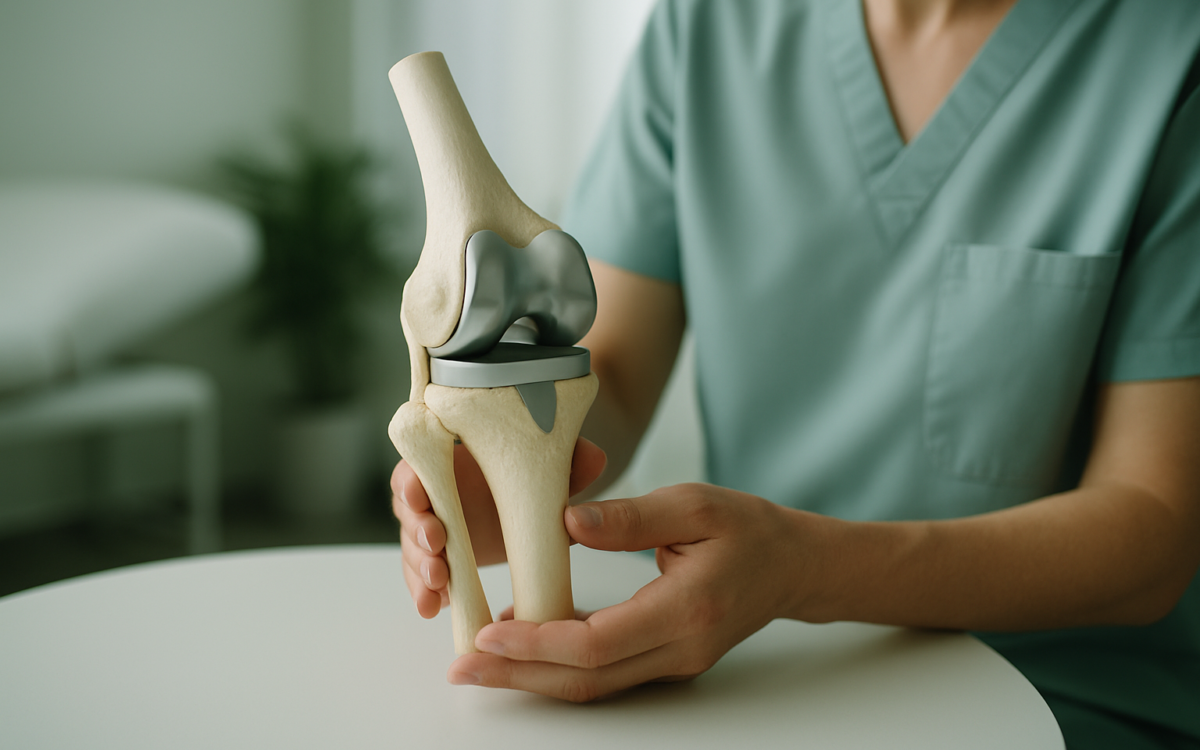
Knee replacement surgery has transformed the lives of many people suffering from crippling joint pain and limited mobility. If you’re one of those individuals, you’re probably wondering what the best knee replacement options are for your specific situation. With advancements in medical technology and techniques, there are more choices than ever before. Let’s explore the various types of knee replacements, their benefits, what to expect during recovery, and how to decide on the right option for you.
Understanding Knee Replacement Surgery
Knee replacement surgery, also known as knee arthroplasty, involves removing damaged cartilage and bone from the knee and replacing it with an artificial joint (prosthesis). The goal of the surgery is to relieve pain and restore function. Patients suffering from osteoarthritis, rheumatoid arthritis, or knee injuries may benefit from this surgery.
Types of Knee Replacement Procedures
There are several types of knee replacement procedures designed to cater to varying levels of damage and individual needs:
- Partial Knee Replacement: Also known as unicompartmental knee arthroplasty, this option is for those with damage confined to only one compartment of the knee, usually the inner side. It involves less surgery and may lead to a quicker recovery.
- Total Knee Replacement: This is the most common type, where the entire knee joint is replaced. It’s suitable for patients with severe arthritis or extensive damage.
- Complex Knee Replacement: For some people, the knee may be significantly damaged due to previous surgeries or injuries. A complex knee replacement involves additional components and surgical techniques to reconstruct the joint.
Choosing the Best Type for You
What’s considered the “best” knee replacement largely depends on your unique situation. Factors like age, activity level, and the extent of your knee damage play a critical role in your options. Here are some important considerations:
- Age and Activity Level: Younger, more active patients might benefit from a partial knee replacement or advanced prosthetic designs that support higher levels of activity.
- Extent of Joint Damage: If your knee damage is widespread, a total knee replacement might be necessary. Consulting with your orthopedic surgeon will provide insights tailored to your condition.
- Future Goals: Consider what activities you wish to return to post-surgery. Discuss your expectations with your doctor to determine the most suitable option for you.
The Role of Advanced Techniques
In recent years, surgical techniques have evolved significantly. Minimally invasive surgery and robotic-assisted procedures are becoming more common in knee replacement. These methods often come with reduced recovery times and less postoperative pain compared to traditional surgery. For instance, studies have shown that robotic-assisted knee replacements can lead to more precisely aligned joints, which may enhance longevity and function of the implant (Cleveland Clinic).
Recovery and Rehabilitation After Surgery
Understanding what to expect during recovery is crucial for your success after knee replacement surgery. Here’s a general outline of the recovery process:
- Initial Recovery: The first few days after surgery typically involve pain management and rehabilitation. You may stay in the hospital for a couple of days.
- Physical Therapy: Engaging in physical therapy starts soon after surgery to strengthen your knee and improve mobility. Your therapist will guide you through exercises designed to help you regain movement.
- Home Recovery: As you continue your recovery at home, follow your doctor’s advice on rest, activity limits, and pain management strategies.
The entire process can take several months, and staying committed to your rehabilitation plan is essential for a successful outcome.
When to See a Doctor
If you are experiencing persistent knee pain or have been advised by your doctor that surgery may be beneficial yet haven’t acted on it, it’s essential to consult with a healthcare provider. Signs that it may be time to seek surgical options include:
- Chronic pain that interferes with daily life
- Swelling and stiffness that doesn’t improve with conservative treatments
- Decreased mobility or difficulty completing everyday activities
Don’t hesitate to reach out to a healthcare professional to discuss your symptoms or concerns.
Conclusion
Knee replacement surgery can be a game-changer for individuals battling joint pain and mobility challenges. By understanding the different types of knee replacements, considering advanced techniques, and having a solid grasp on recovery, you can approach this journey with the knowledge needed to make informed decisions. Always consult with your healthcare provider to explore what options are best suited to your personal health and lifestyle.
