
Hair loss is a common concern that affects millions of people worldwide. It can impact self-esteem and body image, leading many to seek solutions for hairline restoration. Understanding the available options, potential risks, and when to seek professional help can empower individuals to make informed decisions about their hair health.
Understanding Hair Loss
Before delving into restoration methods, it is essential to understand the types of hair loss. Baldness can be caused by various factors, including genetics, hormonal changes, medical conditions, and external stressors. The most common form is androgenetic alopecia, also known as male or female pattern baldness. This hereditary condition leads to gradual thinning of hair and is often characterized by a receding hairline.
Popular Methods of Hairline Restoration
There are several effective methods for hairline restoration, each with its own pros and cons. Here are a few of the most popular:
1. Hair Transplant Surgery
This surgical procedure involves transferring hair follicles from a donor site (usually the back of the head) to the thinning or bald areas. Techniques like Follicular Unit Extraction (FUE) and Follicular Unit Transplantation (FUT) are widely used. FUE is less invasive and leaves minimal scarring, while FUT involves removing a strip of scalp and can yield a larger number of follicles at once.
2. Platelet-Rich Plasma (PRP) Therapy
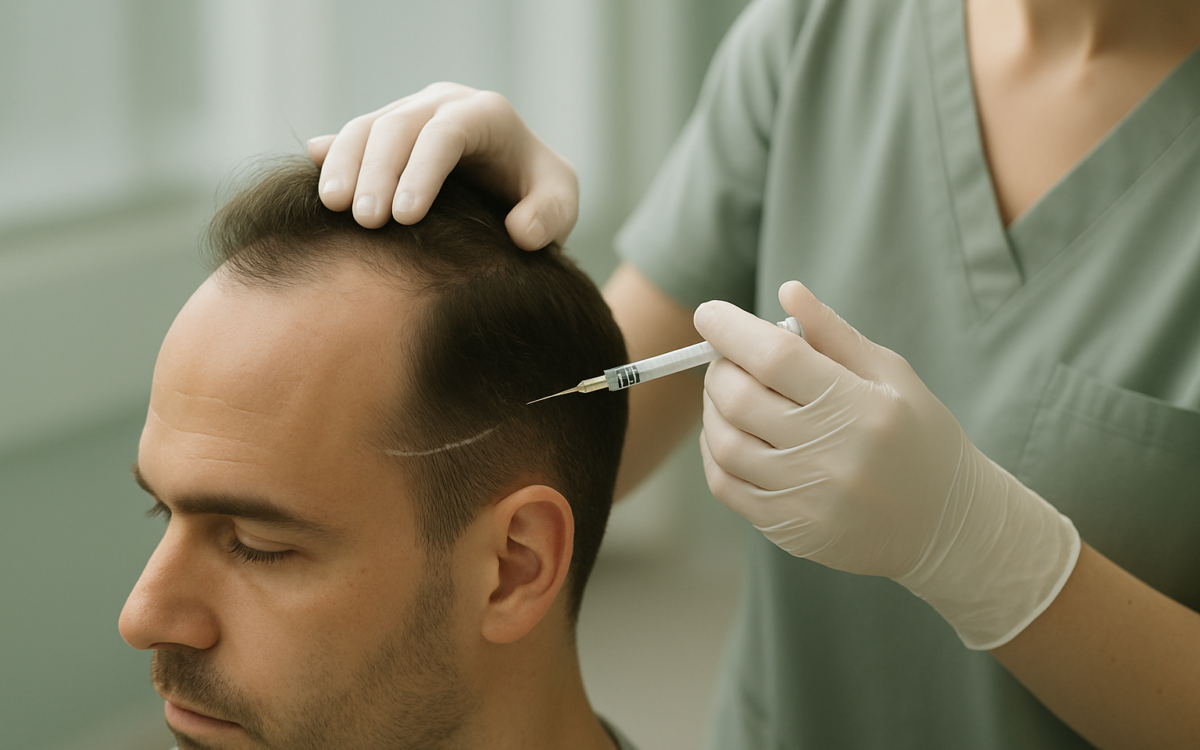
PRP therapy is a non-surgical treatment that uses the patient’s own blood to stimulate hair growth. Blood is drawn, processed to concentrate the platelets, and injected into the scalp. Research published in the Journal of Cutaneous Medicine and Surgery indicates that PRP may increase hair density and thickness in some individuals.
3. Minoxidil and Finasteride
Minoxidil (Rogaine) and finasteride (Propecia) are FDA-approved medications for treating hair loss. Minoxidil is a topical solution that can stimulate hair follicles and is available over-the-counter. Finasteride, on the other hand, is an oral medication that can prevent further hair loss but requires a prescription. Users report varying degrees of success, and these medications work best when started early in the hair loss process.
Costs and Considerations
Hairline restoration treatments can vary widely in cost. Surgical options can range from a few thousand to tens of thousands of dollars depending on the technique and extent of the transplant. Non-surgical options like PRP therapy might also be costly, often requiring multiple sessions for optimal results. Insurance typically does not cover these treatments, as they are considered cosmetic.
It’s crucial to research clinics and professionals before committing to a procedure. Look for board-certified dermatologists or surgeons with experience in hair restoration. Read reviews, check before-and-after galleries, and have a thorough consultation to understand the potential outcomes and risks.
International Perspectives on Treatment
Hairline restoration is not just popular in the United States but also around the globe. Many individuals opt for international treatment options that can be more affordable while still offering high-quality care. For example, Acibadem International provides comprehensive hair restoration solutions in Turkey and other locations, giving patients access to renowned specialists at competitive prices. Evaluating international options may include considering factors like travel costs, the expertise of medical professionals, and the standards of care.
Emotional and Psychological Aspects of Hair Restoration
Choosing to undergo hairline restoration is not just a physical decision; it carries emotional weight as well. Many individuals report improved self-esteem and confidence after successful treatments. Understanding that hair loss is a common experience can help normalize feelings about it. It’s vital to set realistic expectations regarding outcomes and recognize that results may take time—often several months—to become evident.
Maintaining Hair Health Post-Treatment
After undergoing hairline restoration, maintaining overall hair health is crucial. This may involve continuing medication, employing special shampoos, or following a specific hair care routine. Regular follow-ups with healthcare providers can ensure that hair health remains on track and that any issues are promptly addressed.
When to See a Doctor
If you notice signs of hair loss or have concerns about thinning hair, consulting a healthcare professional is advisable. They can provide a diagnosis and recommend appropriate treatment options based on individual circumstances. Additionally, seek medical advice if experiencing sudden or patchy hair loss, as this may indicate an underlying health issue.
Conclusion
Hairline restoration offers various options for those dealing with hair loss. Understanding the methods, costs, and emotional aspects can guide individuals in making informed choices. Whether opting for surgical procedures, medications, or alternative therapies, there are solutions available to help restore confidence and fullness to the hairline.
