
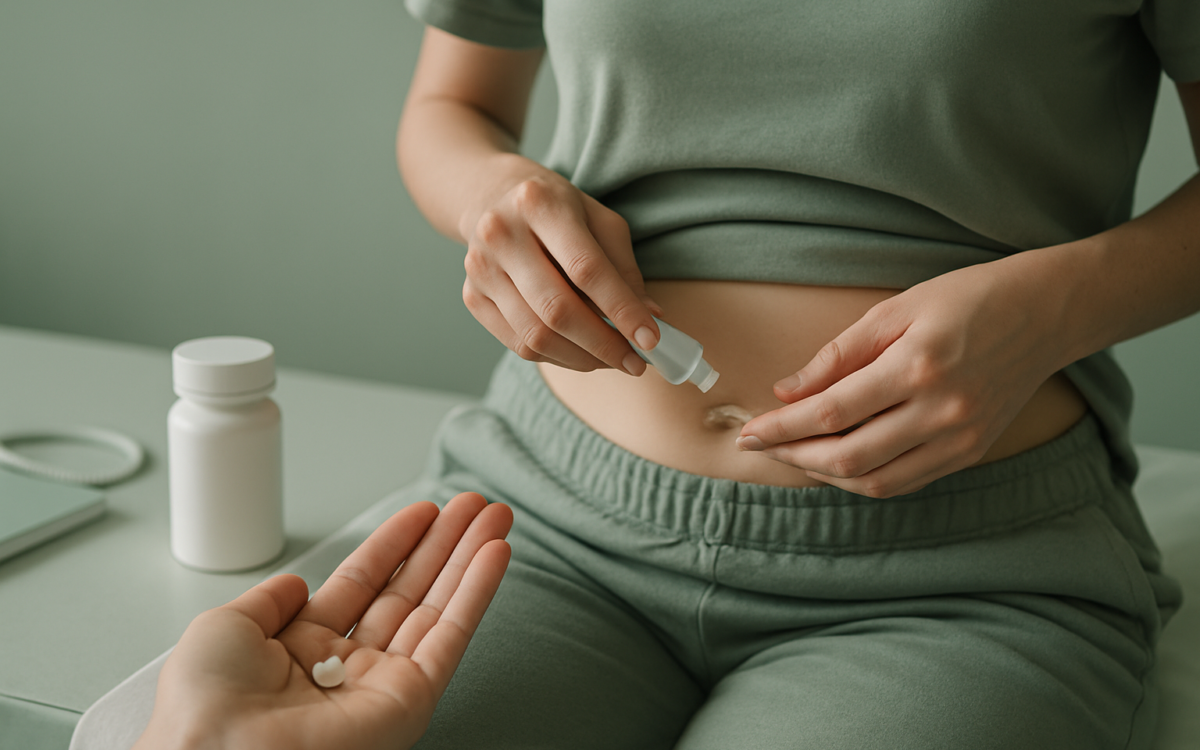
Polycystic Ovary Syndrome (PCOS) is a condition that affects many women, often leading to a range of symptoms that can be frustrating and overwhelming. From irregular periods to weight gain and skin issues, the impact of PCOS dives deeper than just physical symptoms; it can affect emotional well-being too. Fortunately, there are multiple ways to manage and treat these symptoms, allowing you to regain control and lead a healthier, more balanced life.
Understanding PCOS
PCOS is a hormonal disorder that affects women during their reproductive years. It is characterized by irregular menstrual cycles, increased levels of male hormones (androgens), and polycystic ovaries. The exact cause of PCOS is still unclear, but factors such as genetics, insulin resistance, and inflammation can contribute to its development. Recognizing the symptoms early on plays a crucial role in effective management.
Symptoms of PCOS
PCOS manifests in various ways, and symptoms can vary from woman to woman. Common symptoms include:
- Irregular or absent menstrual periods
- Excessive hair growth on the face and body (hirsutism)
- Weight gain or difficulty losing weight
- Acne and oily skin
- Thinning hair on the scalp
- Dark patches of skin (acanthosis nigricans)
If you suspect you have PCOS or are experiencing any of these symptoms, it’s important to consult a healthcare provider for a proper diagnosis.
Lifestyle Modifications
One of the most effective ways to treat PCOS symptoms lies in making lifestyle changes. Here are some strategies to consider:
Healthy Eating
A balanced diet can play a significant role in managing PCOS symptoms. Focus on whole foods, such as:
- Fruits and vegetables
- Whole grains
- Lean proteins
- Healthy fats (like avocados and nuts)
Limiting processed foods, sugary drinks, and refined carbs can help manage weight and improve insulin sensitivity.
Regular Exercise
Engaging in regular physical activity can help with weight management and improve hormonal balance. Aim for at least 150 minutes of moderate exercise each week. Activities like walking, cycling, swimming, or yoga can be beneficial.
Weight Management
For those who are overweight, even a modest weight loss of 5-10% can lead to improvements in symptoms, including regular menstrual cycles and better insulin sensitivity. Achieving and maintaining a healthy weight can significantly help in managing PCOS.
Medical Treatments
If lifestyle changes aren’t enough, there are several medical treatments available to help manage PCOS symptoms. Always consult your healthcare provider to determine the best approach for you.
Hormonal Birth Control
Birth control pills can help regulate menstrual cycles, reduce excess hair growth, and improve acne. The hormones in these pills can provide relief from many of the symptoms associated with PCOS.
Insulin Sensitizers
Medications such as metformin can help improve insulin sensitivity and lower insulin levels, which may help regulate menstrual cycles and assist in weight management.
Fertility Treatments
For women seeking to conceive, there are fertility treatments available. Medications like clomiphene citrate can stimulate ovulation. If these do not work, consulting with a fertility specialist may be the next step.
Alternative Therapies
Some women find relief from PCOS symptoms through alternative therapies. Here are a few to consider:
Acupuncture
Some studies have suggested that acupuncture might help restore hormonal balance and relieve symptom severity.
Supplements
Certain supplements may have benefits for women with PCOS, including:
- Inositol – may help improve insulin sensitivity
- Omega-3 fatty acids – may reduce inflammation
- Vitamin D – can support overall hormonal health
Always discuss any supplements with your healthcare provider before starting them.
Coping Strategies for Emotional Health
Living with PCOS can take a toll on emotional health. Here are some ways to manage the psychological aspects:
Support Groups
Joining a support group can provide a sense of community and understanding. Sharing experiences with others can be incredibly validating.
Mindfulness and Stress Reduction
Practices like meditation, deep breathing, and yoga can help reduce stress and promote emotional well-being.
Professional Counseling
If feelings of anxiety or depression arise, seeking help from a mental health professional can be a vital step in managing overall health.
When to See a Doctor
If you suspect you have PCOS or experience changes in your menstrual cycle, weight gain, or other related symptoms, it’s important to consult a healthcare provider. Early diagnosis and intervention can lead to better management of the condition and a healthier future.
PCOS is a manageable condition, and understanding your options can empower you to take control of your health. From lifestyle changes to medical treatments, there’s hope for relief from symptoms. Focus on what works best for you, and remember you are not alone in your journey.
For more information on PCOS, you can visit reputable sources like the National Institutes of Health, World Health Organization, and Mayo Clinic.
