
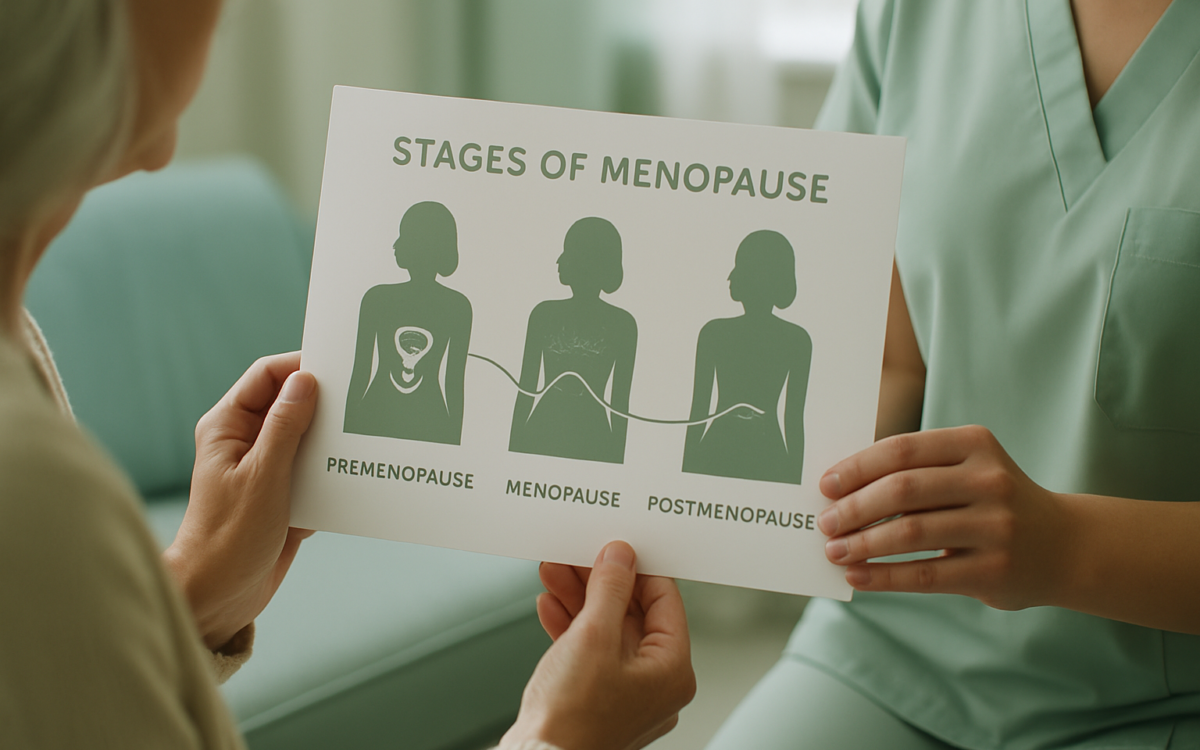
Menopause is a natural phase in a woman’s life, marking the end of her reproductive years. It can bring a mix of emotions and physical changes, which can vary significantly from one woman to another. Understanding the stages of menopause can empower women to navigate this transition with confidence and awareness.
The Three Main Stages of Menopause
Menopause is typically divided into three stages: perimenopause, menopause, and postmenopause. Each stage comes with its own set of symptoms and experiences.
Perimenopause: The Transition Begins
Perimenopause, often referred to as the transitional phase, can begin several years before menopause officially starts. On average, women start experiencing perimenopause in their 40s, although it can begin earlier for some. During this time, the ovaries gradually produce less estrogen, leading to various symptoms.
- Irregular Periods: Menstrual cycles may become inconsistent, with periods sometimes being heavier or lighter than usual.
- Hot Flashes: Sudden feelings of warmth, often accompanied by sweating, can occur.
- Mood Changes: Women may notice increased mood swings, irritability, or even anxiety as hormone levels fluctuate.
- Sleep Problems: Difficulty sleeping can arise due to night sweats or insomnia.
Though this phase can be challenging, understanding what to expect can help women adapt and seek appropriate support when needed.
Menopause: The Turning Point
Menopause officially occurs 12 months after a woman’s last period. The average age for menopause in the United States is around 51 years, but it can occur anywhere from the late 40s to early 60s. During menopause, estrogen levels drop significantly, and many symptoms may intensify.
- Vaginal Changes: Vaginal dryness and thinning of tissues can lead to discomfort during intercourse.
- Urinary Issues: Some women may experience urinary incontinence or increased frequency of urination.
- Weight Gain: Hormonal changes may lead to weight gain, particularly around the abdomen.
- Bone Density Loss: Lower estrogen levels can contribute to decreased bone density over time.
Many women find that these symptoms improve after menopause, but they can also seek various treatments and lifestyle changes to alleviate discomfort during this phase.
Postmenopause: Adjusting to Life After Menopause
Once a woman has gone 12 months without a menstrual period, she enters the postmenopausal stage. Hormone levels will remain low, and symptoms may continue for some time, but should become more manageable. Women often adjust to their new normal, but regular health check-ups remain crucial.
- Long-Term Health Risks: Women in postmenopause should be aware of increased risks of osteoporosis and heart disease, as estrogen plays a role in bone and heart health.
- Regular Screenings: Annual visits to the doctor for screenings such as mammograms and bone density tests are essential.
- Healthy Lifestyle: Maintaining a balanced diet and regular exercise can help manage health risks linked to lower estrogen levels.
In some cases, women may choose options for treatment in Turkey or elsewhere to alleviate persistent symptoms associated with postmenopause.
Managing Menopausal Symptoms
While menopause is a natural process, many women seek ways to relieve symptoms. Here are some common strategies:
- Lifestyle Changes: Regular physical activity, a balanced diet rich in calcium and vitamin D, and maintaining a healthy weight can greatly impact symptom management.
- Hormone Therapy: For women with severe symptoms, hormone replacement therapy (HRT) may be recommended. This involves administering estrogen or a combination of estrogen and progestin to alleviate symptoms.
- Alternative Treatments: Some women find relief through natural supplements like black cohosh or soy isoflavones, though it’s essential to consult with a healthcare provider before starting any supplement.
- Cognitive Behavioral Therapy (CBT): This talking therapy can help manage emotional symptoms and improve overall well-being.
Consulting with a healthcare professional can help women understand their options and create a tailored approach to managing menopause symptoms effectively.
When to See a Doctor
If you find that menopausal symptoms are impacting your daily life significantly, or if you’re experiencing severe symptoms such as heavy bleeding or extreme mood changes, it’s important to consult with your doctor. They can help determine the best course of action and discuss available treatment options.
Conclusion
Menopause is a significant life transition for many women. By understanding the stages of menopause, recognizing symptoms, and knowing when to seek help, women can navigate this natural process with greater ease and confidence. Empower yourself with knowledge, and embrace this new chapter in life.
