
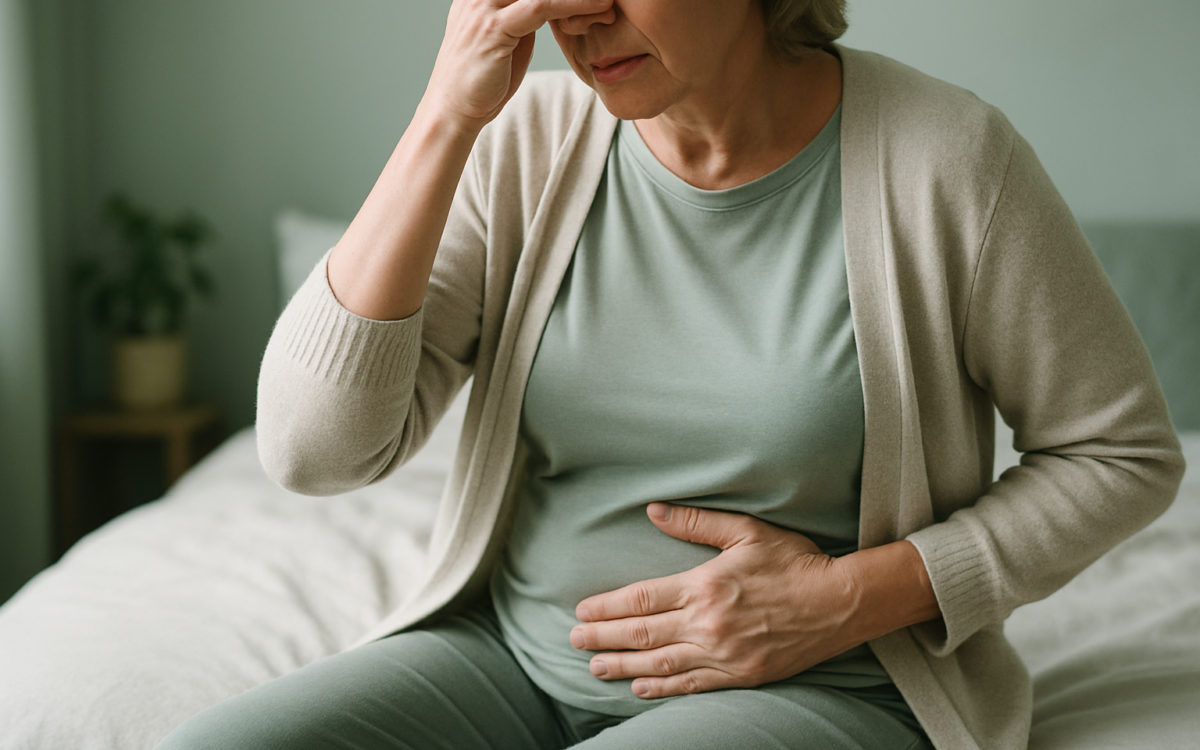
Perimenopause can feel like a turbulent sea, with waves of symptoms crashing down unexpectedly. While this period of hormonal change is a natural part of aging, the symptoms can sometimes be quite overwhelming. From hot flashes to mood swings, the signs of perimenopause can disrupt daily life and affect overall well-being. Understanding what to expect during this transition can help empower women to navigate its complexities.
What is Perimenopause?
Perimenopause refers to the time leading up to menopause, usually starting in a woman’s 40s but can begin in the late 30s for some. During this phase, the body’s production of estrogen fluctuates, leading to various physical and emotional symptoms. This transitional period can last for several years, and recognizing these signs early can provide clarity and comfort.
Common Symptoms of Perimenopause
Perimenopause introduces a host of symptoms that can vary in intensity and duration. Here are some of the most commonly reported issues:
- Hot Flashes: Rapid sensations of heat, especially in the face and neck, often followed by sweating and chills.
- Night Sweats: Intense sweating during sleep that can disrupt rest and lead to fatigue.
- Mood Swings: Emotional fluctuations ranging from irritability to anxiety, often mimicking premenstrual syndrome (PMS).
- Irregular Periods: Changes in menstrual cycle length, flow, and frequency.
- Sleep Disturbances: Insomnia or interrupted sleep, often exacerbated by other symptoms like night sweats.
- Fatigue: Persistent tiredness that can often feel overwhelming.
- Memory Problems: Difficulty concentrating or forgetfulness, commonly referred to as ‘brain fog.’
The Impact of Hormonal Changes
The symptoms of perimenopause are largely driven by hormonal fluctuations, particularly estrogen and progesterone. As the ovaries gradually produce less of these hormones, women may experience various physical and emotional changes. According to the National Institutes of Health (NIH), the drop in estrogen affects the body’s ability to regulate temperature, mood, and even cognitive function. Understanding this link can help women better manage their symptoms.
Coping Strategies for Perimenopause Symptoms
While perimenopause symptoms can be challenging, there are various strategies that may help alleviate discomfort:
- Lifestyle Modifications: Regular exercise, a balanced diet rich in fruits and vegetables, and staying hydrated can significantly improve overall health.
- Stress Management: Practices like meditation, yoga, or deep-breathing exercises can help manage mood swings and anxiety.
- Sleep Hygiene: Creating a comfortable sleep environment and establishing a relaxing bedtime routine can help mitigate insomnia.
- Support Groups: Connecting with others undergoing similar experiences can provide emotional relief and practical tips.
- Natural Remedies: Some women find relief with herbal supplements or therapies, but it’s important to consult with a healthcare provider before trying these options.
When to Consider Medical Treatment
While many women experience mild to moderate symptoms of perimenopause, some may find their symptoms significantly affect their quality of life. If common home remedies and lifestyle adjustments do not bring relief, consulting a healthcare professional can be beneficial. Medical options may include hormonal treatments or other medications to manage specific symptoms.
When to See a Doctor
If your symptoms are significantly disrupting your daily life, it’s important to seek guidance from a healthcare provider. Additionally, if you experience any unusual or severe symptoms, such as heavy bleeding or severe depression, do not hesitate to reach out.
The Road Ahead
Transitioning through perimenopause can feel daunting, with symptoms that can be both physical and emotional. However, it’s essential to remember that this is a natural phase of life. By learning more about these challenges and seeking effective coping strategies, women can prepare for this significant transition in a positive way. With the right support and understanding, it is possible to navigate these changes and emerge on the other side, ready for the next chapter.
For more detailed information on perimenopause and its symptoms, the Mayo Clinic and World Health Organization (WHO) offer extensive resources.
