
Many people experience hair loss at some point in their lives, and for some, it can affect self-esteem and confidence. If you’re facing this challenge, a hair restoration specialist may be the answer. But how do you find the right one, and what can you expect during your journey? Let’s explore the world of hair restoration and what a specialist can do for you.
What is a Hair Restoration Specialist?
A hair restoration specialist is a medical professional who focuses on diagnosing and treating various hair loss conditions. These specialists come from different medical backgrounds, including dermatology, plastic surgery, or even trichology, which is the study of hair and scalp health. They have specific training on the latest techniques and treatments to restore hair, making them essential allies in tackling hair loss.
Common Causes of Hair Loss
Understanding the underlying reasons for hair loss is crucial for effective treatment. Common causes include:
- Genetics: Hereditary hair loss, known as androgenetic alopecia, is the most common reason for thinning hair in both men and women.
- Hormonal changes: Conditions such as pregnancy, menopause, or thyroid disorders can lead to temporary or permanent hair loss.
- Medical conditions: Diseases like alopecia areata, autoimmune disorders, or scalp infections can also cause hair loss.
- Medications: Certain medications, such as those for cancer treatment, can result in hair loss as a side effect.
- Stress: Physical or emotional stress can trigger full-body hair loss.
Recognizing the cause is the first step in effective treatment, and a hair restoration specialist can help with this process.
What to Expect During a Consultation
When you visit a hair restoration specialist, the first step is usually a comprehensive consultation. Here’s what you can generally expect:
- Medical History Review: You’ll discuss your medical history, current medications, and any family history of hair loss.
- Scalp Examination: The specialist may examine your scalp and hair to determine the density, health, and any signs of scalp conditions.
- Diagnostic Tests: Sometimes, further tests such as blood work or scalp biopsies may be recommended to identify underlying issues.
- Personalized Treatment Plan: Based on the evaluation, they will recommend a tailored treatment plan that may include options like medications, laser therapy, or surgical procedures like hair transplants.
This initial consultation is a critical step in determining the right path for your hair restoration journey.
Popular Treatment Options
Once your hair restoration specialist provides a diagnosis, they will discuss various treatment options available. Some of the most popular treatments include:
- Medications: Drugs like minoxidil (Rogaine) or finasteride (Propecia) are commonly used to promote hair regrowth.
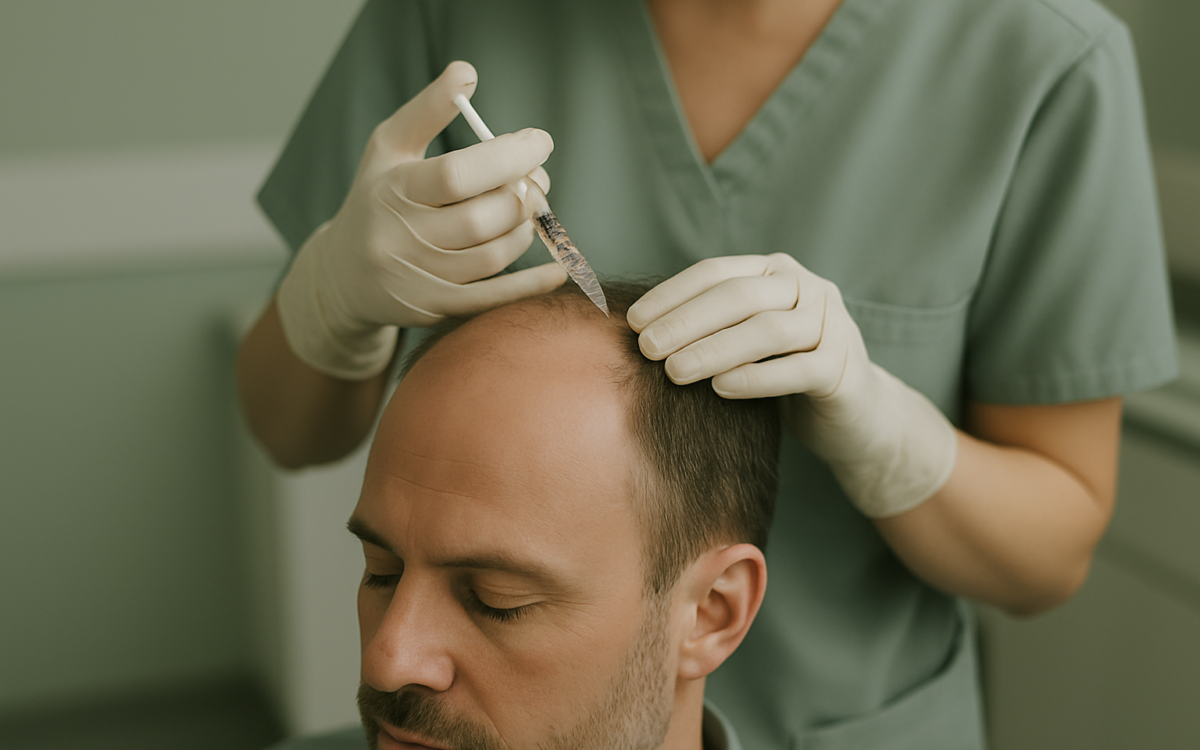
- Platelet-Rich Plasma (PRP) Therapy: This involves injecting your own platelets into the scalp to stimulate hair growth.
- Hair Transplants: Surgical techniques like follicular unit extraction (FUE) can provide natural-looking results by transferring hair follicles from one part of your body to the bald areas.
- Hairpieces and Wigs: For those not wanting surgery, high-quality wigs or hairpieces can provide immediate and beautiful results.
Each treatment has its pros and cons, which your specialist will cover in detail during your visit.
Maintaining Healthy Hair
In addition to treatments, maintaining healthy hair is essential. Here are some tips to promote scalp health:
- Nutrition: A well-balanced diet rich in vitamins and minerals can support hair health. Foods high in omega-3 fatty acids, iron, and protein are particularly beneficial.
- Gentle Hair Care: Avoid harsh chemicals and treatments that can damage hair. Use mild shampoos and avoid excessive heat from styling tools.
- Hydration: Drinking plenty of water helps keep your scalp and hair hydrated.
- Stress Management: Engaging in relaxation techniques such as yoga, meditation, or simply setting aside time for hobbies can help reduce stress that might affect hair growth.
Your hair restoration specialist may provide additional guidance on lifestyle changes that support treatment outcomes.
When to See a Doctor
If you notice sudden or excessive hair loss, or if your scalp becomes inflamed or sore, it’s essential to consult a health professional. Early evaluation can lead to better outcomes, especially if there’s an underlying medical condition that requires treatment.
Conclusion
Choosing to see a hair restoration specialist is an important step for anyone struggling with hair loss. Understanding the options available and what to expect during the consultation can empower you to make informed decisions about your hair health. Remember to approach hair restoration as a journey, and don’t hesitate to seek out the assistance and expertise of a qualified specialist.
For more information on hair health and potential treatment options, you can visit resources like the Mayo Clinic or the National Institutes of Health.
