
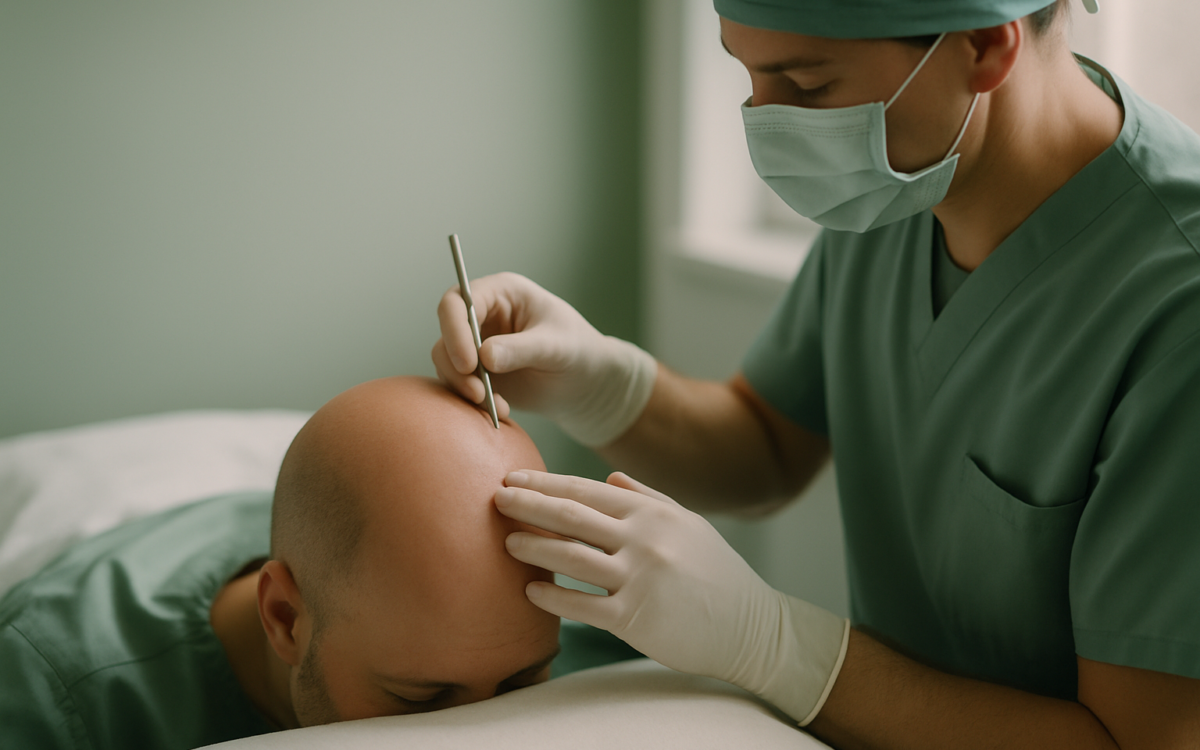
Hair loss can be a distressing experience, impacting your self-esteem and confidence. Thankfully, hair restoration has become a viable option for many people, offering hope and solutions. If you’re considering this path, finding a skilled hair restoration surgeon is crucial to achieving the best possible results.
Understanding Hair Restoration
Hair restoration encompasses various medical and surgical methods aimed at treating hair loss, including male and female pattern baldness. Commonly sought procedures include hair transplants, scalp reduction, and medication for hair growth, like minoxidil or finasteride.
Before diving into the world of hair restoration, it’s essential to understand how these treatments work. Most procedures focus on reactivating hair follicles or transplanting healthy hair follicles from denser areas of the scalp to those that are thinning. The overall goal is to create a natural appearance that seamlessly blends with your existing hair.
Recognizing the Signs of Hair Loss
Noticeable hair loss often starts gradually. You may observe thinning hair or more hair in your brush than ever before. Here are some common indicators:
- Receding hairline
- Thinning crown
- Patchy bald spots
- Excessive shedding
If any of these signs resonate with you, it’s a good time to explore treatment options and consult a professional.
Choosing the Right Hair Restoration Surgeon
Finding a qualified hair restoration surgeon is critical for achieving successful outcomes. Here are key factors to consider:
Credentials and Experience
Look for a surgeon with board certification and specialized training in hair restoration. Experience matters, so review their background and training in relevant procedures. A reputable surgeon should have a portfolio of before-and-after photos showcasing their work.
Consultation Process
<pA good surgeon will offer a comprehensive consultation to discuss your goals, evaluate your specific type of hair loss, and create a tailored treatment plan. Use this opportunity to ask questions about the procedure, recovery time, and potential side effects.
Different Techniques Used in Hair Restoration
Several techniques exist for hair restoration, including:
Follicular Unit Transplantation (FUT)
In FUT, a strip of scalp is removed from a donor area, and hair follicles are harvested from it for transplantation. This method allows for a large number of grafts but may leave a linear scar.
Follicular Unit Extraction (FUE)
FUE involves harvesting individual hair follicles directly from the donor area, leading to less scarring. It’s often preferred for its minimally invasive approach and quicker recovery.
Platelet-Rich Plasma (PRP) Therapy
PRP therapy involves injecting your own concentrated platelets into the scalp. This method aims to stimulate hair follicles and promote new hair growth, often used in conjunction with other treatments.
International Patient Services
For those considering treatment outside their home country, explore international patient services to find skilled specialists and tailored care packages that can streamline your experience.
Aftercare and Recovery
After the procedure, following aftercare instructions is essential to ensure proper healing and optimal results. Expect some swelling, redness, or discomfort initially, but these symptoms usually resolve within a few days. Adhering to your surgeon’s advice can significantly affect your recovery and end results.
When to See a Doctor
If you’re noticing significant hair loss or have concerns about your hair’s health and appearance, it’s wise to consult a qualified hair restoration surgeon or dermatologist. Early detection of hair loss can make treatment more effective and easier.
Conclusion
Choosing a hair restoration surgeon is a vital step in regaining your hair and confidence. Stay informed about the different techniques available and do your research to find a qualified professional who can guide you through the process. With the right support, you can take back control and rejuvenate your appearance.
