
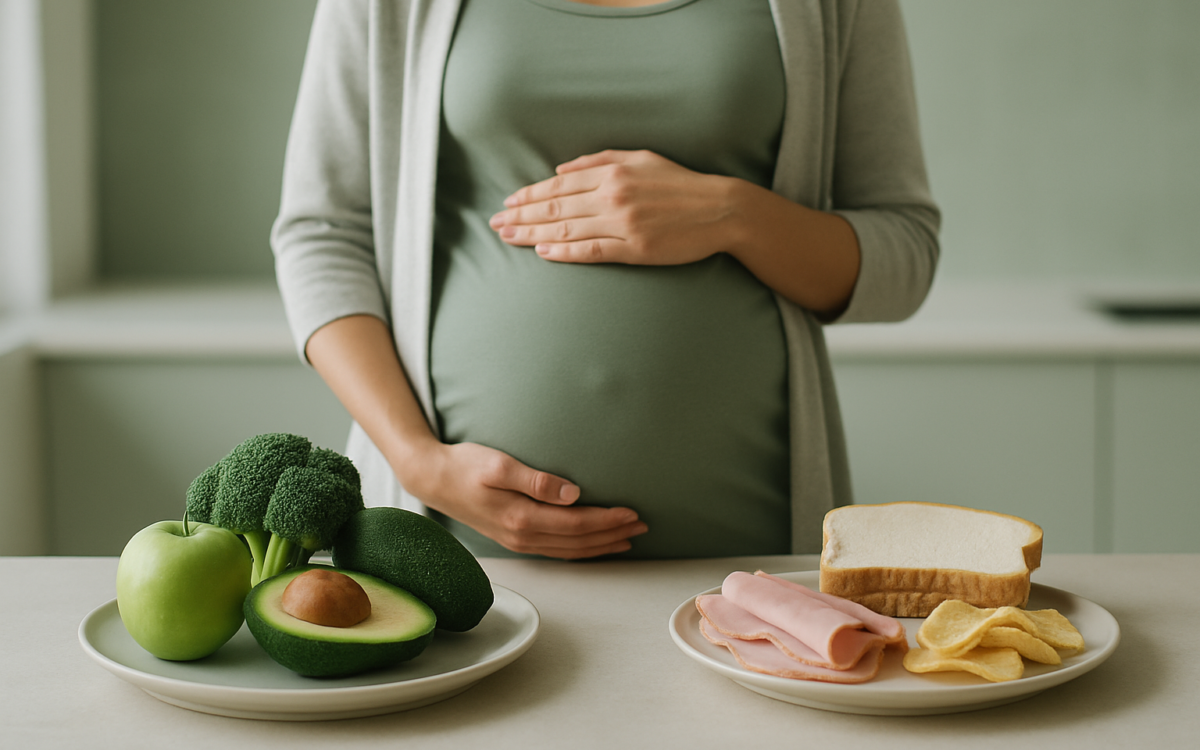
Pregnancy is an exciting time filled with anticipation, but it can also come with its share of concerns—especially when it comes to nutrition. What you eat can affect your health and the development of your baby. So, making informed food choices is crucial during these nine months. Here’s a guide to the best foods to nourish your body and the ones you should steer clear of.
Foods to Embrace
Fruits and Vegetables
Fruits and vegetables are packed with vitamins, minerals, and fiber, making them an essential part of your pregnancy diet. Aim for a colorful variety to ensure you get a wide range of nutrients. Some beneficial options include:
- Leafy Greens: Spinach and kale are rich in iron and folic acid, vital for your baby’s growth.
- Berries: Strawberries, blueberries, and raspberries are high in antioxidants, which can help support your immune system.
- Citrus Fruits: Oranges, grapefruits, and lemons are great sources of vitamin C, which aids in iron absorption.
Whole Grains
Whole grains provide essential energy and nutrients. They are rich in fiber, which can help prevent constipation—a common issue during pregnancy. Consider including:
- Brown Rice: A great source of magnesium and fiber.
- Quinoa: Packed with protein and all nine essential amino acids.
- Oats: High in beta-glucan, which may help regulate blood sugar levels.
Lean Proteins
Protein is crucial for your baby’s growth and development. Focus on lean sources, including:
- Poultry: Chicken and turkey are low in fat and high in protein.
- Fish: Salmon and sardines are excellent sources of omega-3 fatty acids, which aid brain development. However, be mindful of mercury levels.
- Legumes: Lentils, chickpeas, and beans are a great plant-based protein source, along with being high in fiber.
Dairy Products
Dairy can provide calcium and vitamin D, both of which are essential for bone health. Opt for:
- Yogurt: High in protein and probiotics, which can support digestion.
- Cheese: Choose lower-fat options and ensure they are made from pasteurized milk to avoid harmful bacteria.
Foods to Limit or Avoid
High-Mercury Fish
While fish can be beneficial during pregnancy, certain types are high in mercury, which can negatively impact fetal development. Avoid:
- Shark: Known to have high levels of mercury.
- King Mackerel: Contains elevated mercury levels that can be harmful.
- Tilefish: Generally found in deeper waters, tilefish also tends to have high mercury.
Raw or Undercooked Foods
Raw foods can harbor harmful bacteria and parasites. It is best to avoid:
- Raw Eggs: Found in some sauces and dressings, they can carry the risk of salmonella.
- Raw Milk and Cheeses: These can contain listeria, which can lead to serious health issues during pregnancy.
Processed Foods and Sugary Beverages
Processed foods often contain preservatives, unhealthy fats, and added sugars. Limit your intake of:
- Fast Food: Often high in calories but low in nutrients.
- Sugar-Sweetened Beverages: Soda and energy drinks can contribute to excessive weight gain and gestational diabetes.
Alcohol and Caffeine
Both alcohol and high caffeine consumption can pose risks during pregnancy. It’s recommended to:
- Avoid Alcohol: There’s no known safe amount during pregnancy.
- Limit Caffeine: Stick to less than 200 milligrams per day (about one 12-ounce cup of coffee) to reduce risks of complications.
International Considerations
Health guidelines regarding pregnancy nutrition can vary across cultures. If you are considering traveling or receiving treatment as an international patient, be sure to familiarize yourself with dietary recommendations in your destination country. This can help you make the best choices for you and your baby, ensuring a healthy pregnancy experience no matter where you are.
When to See a Doctor
If you have any concerns about your diet, allergies, or how certain foods may affect your pregnancy, consult your healthcare provider. They can provide recommendations tailored to your specific needs.
Overall, eating a balanced diet during pregnancy is vital for both you and your baby. By focusing on nutritious foods and being cautious with certain items, you can help make your pregnancy as healthy as possible.
