
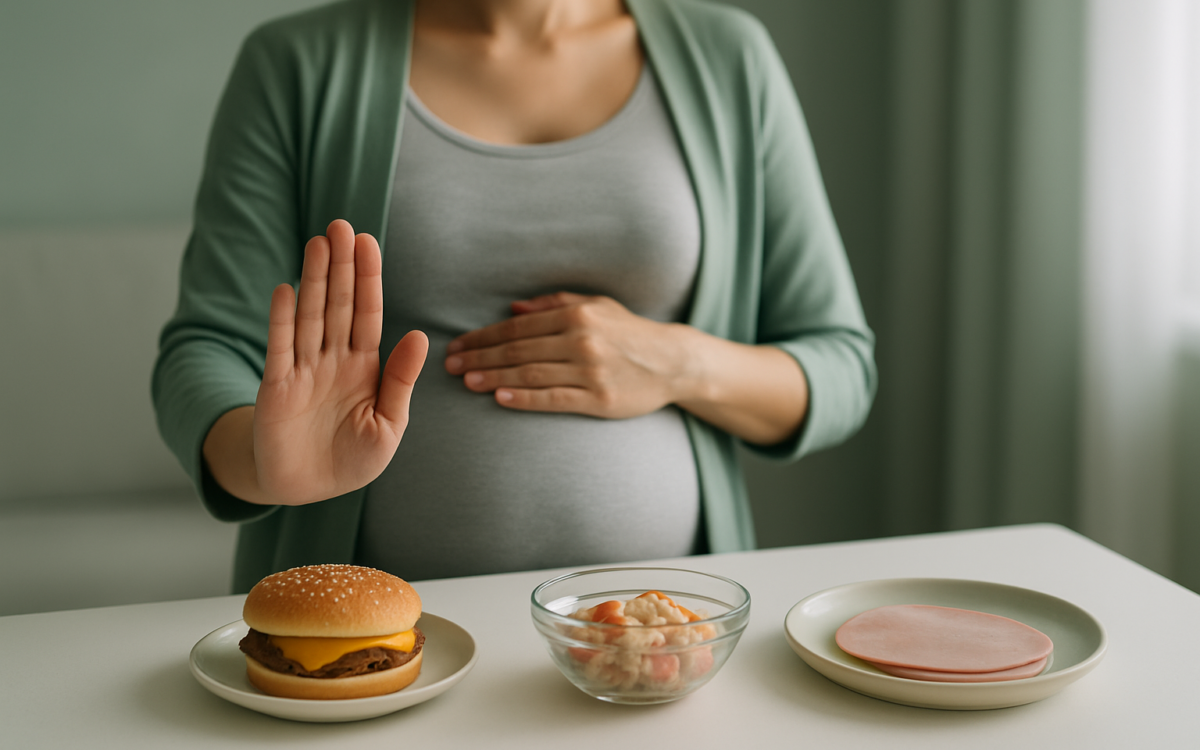
Pregnancy is one of life’s most thrilling adventures, filled with anticipation and excitement. As you prepare to welcome a new life, your diet plays a crucial role in ensuring both your health and that of your baby. But with so much information available, it can be challenging to know which foods to embrace and which to avoid. This article will help you navigate your plate by outlining what you can’t eat during pregnancy.
Unpasteurized Dairy and Juices
When it comes to dairy, it’s vital to ensure you’re consuming products that are pasteurized. Unpasteurized milk, cheese, or even juices could carry bacteria such as Listeria, which may lead to severe infection, miscarriage, or other complications. In fact, the CDC warns pregnant women to stay away from soft cheeses like feta, Brie, and Camembert unless they are labeled as made from pasteurized milk.
Raw or Undercooked Seafood, Eggs, and Meat
Certain proteins can pose significant risks during pregnancy. Raw or undercooked seafood (including sushi), meat, and eggs can contain harmful bacteria or parasites that are especially dangerous for pregnant women. Mayo Clinic advises thoroughly cooking all meats and eggs and avoiding raw fish to minimize risks. Additionally, fish high in mercury, like shark, swordfish, and king mackerel, should also be avoided due to potential harm to the developing brain of your baby.
Caffeine and Alcohol
While a cup of coffee might be a morning ritual for many, consuming caffeine during pregnancy requires caution. Studies suggest that high caffeine intake might be linked to low birth weight and preterm delivery. The American College of Obstetricians and Gynecologists recommends limiting caffeine intake to about 200 milligrams per day during pregnancy, roughly equivalent to one 12-ounce cup of coffee. As for alcohol, no amount is known to be safe during pregnancy. Consuming alcohol can lead to fetal alcohol spectrum disorders, which can have long-lasting effects on a child’s development.
Processed Junk Foods
While not all processed foods are dangerous, many junk foods are packed with unhealthy fats, sugars, and preservatives. It’s easy to indulge your cravings, but they often lack the essential nutrients necessary for your pregnancy journey. Instead of reaching for the chips and sodas, opt for healthier snacks like fruits, vegetables, and whole grains. The goal should be to provide your body—and your growing baby—with the best nutrition possible. Periodically indulging is generally acceptable, but it’s best to focus on nutrient-dense foods the majority of the time.
Herbal Teas and Supplements
Some herbal teas and supplements can have potent effects and may not always be safe during pregnancy. Ingredients such as licorice root, ginseng, and certain herbal blends may cause complications or hormonal changes. Research has indicated that some natural herbal products can interact with medications or cause adverse reactions. It’s advisable to consult with your healthcare provider about any supplements or herbal remedies before incorporating them into your routine.
Exotic and Unfamiliar Foods
Traveling or trying new cuisines can expand your palate, but pregnancy is not the best time to experiment with exotic or unfamiliar foods that may carry unknown risks. These foods could contain unregulated ingredients or may not be safe for consumption. If you’re unsure about any food, especially those from unfamiliar sources or street vendors, it’s better to err on the side of caution and avoid them altogether.
When to See a Doctor
If you experience unusual symptoms after consuming certain foods, such as severe nausea, vomiting, or digestive issues, it’s crucial to consult with your healthcare provider. They can provide guidance tailored to your specific dietary needs and overall health during pregnancy.
In summary, your diet during pregnancy holds significant importance for both your and your baby’s health. By steering clear of unpasteurized products, undercooked proteins, high caffeine levels, alcohol, processed junk foods, certain herbs, and experimental cuisines, you can help create a safer environment for your developing child. Always remember to discuss any dietary questions or concerns with your healthcare professional, so you can focus on enjoying this remarkable journey to motherhood.
