
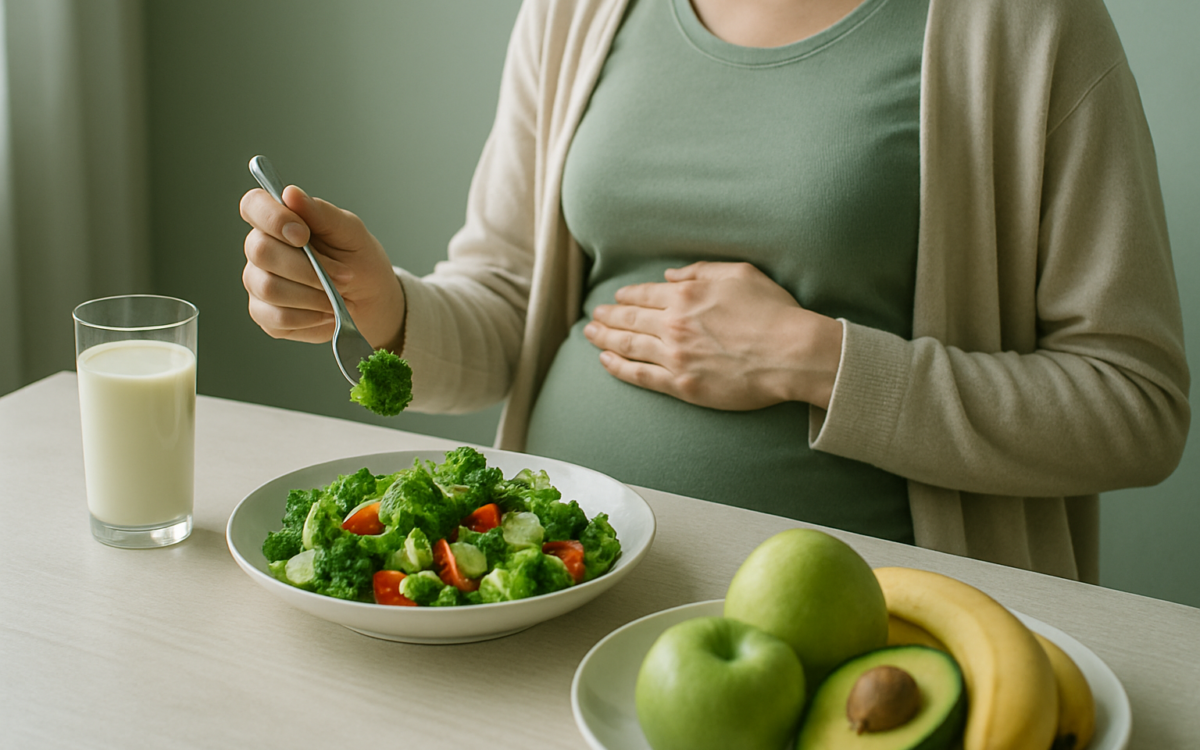
Pregnancy is a beautiful journey filled with anticipation and change, and it comes with a need for special nutritional considerations. What a pregnant woman eats can significantly affect her health and the development of her baby. Making informed food choices during this critical time ensures that both mother and child receive the vital nutrients they need for a healthy start in life.
The Importance of Balanced Nutrition
The foundation of a healthy diet during pregnancy revolves around balance. This means incorporating a variety of foods from all food groups: fruits, vegetables, whole grains, proteins, and healthy fats. According to the CDC, a balanced diet helps to support fetal development and can even reduce the risk of complications during pregnancy.
Key Nutrients for Expecting Mothers
When expecting, there are several essential nutrients that become even more crucial:
- Folic Acid: Reduces the risk of neural tube defects and is vital for cell growth. Aim for at least 600 mcg daily through leafy greens, citrus fruits, and fortified cereals.
- Iron: Supports increased blood volume and energy levels. Pregnant women should aim for 27 mg of iron daily, found in lean meats, beans, and spinach.
- Calcium: Important for building the baby’s bones and teeth, enhance your intake with dairy products, leafy greens, and fortified non-dairy milk.
- DHA: An omega-3 fatty acid found in fish that supports brain development. Incorporate fish such as salmon or consider a prenatal DHA supplement.
Healthy Food Choices for Pregnant Women
Here are some meal ideas and food choices to consider during pregnancy:
Fruits and Vegetables
Fill your plate with a rainbow of fruits and vegetables. Berries, bananas, sweet potatoes, avocados, and leafy greens not only provide vitamins but also essential fiber, which can help combat pregnancy-related constipation. Aim for at least five servings a day for the best benefits.
Whole Grains
Switch white bread and pasta for whole grain options like brown rice, quinoa, and whole-wheat bread. Whole grains are rich in fiber, iron, and B vitamins. They help keep you full and provide sustained energy, which can help manage those fatigue-filled days.
Lean Proteins
Protein is a building block for the baby’s growth. Consider lean meats like chicken and turkey, eggs, beans, lentils, and tofu. For vegetarians, incorporating various protein sources ensures adequate intake of essential amino acids.
Healthy Snacks
When cravings hit, opt for healthy snacks. Nuts, yogurt, hummus with veggies, and whole-grain crackers are excellent choices. These can help maintain energy levels and satisfy hunger without compromising nutrition.
International Perspectives on Prenatal Nutrition
Different cultures have their own approaches and traditional foods that can be beneficial during pregnancy. Exploring international cuisines can be an interesting way to diversify your diet. For women considering international treatments or nutritional plans during pregnancy, resources like acibademinternational.com can provide valuable insights. Always consult with a doctor or a registered dietitian before making significant dietary changes.
Foods to Avoid or Limit
While focusing on healthy options, it’s equally essential to be aware of what to limit or avoid:
- Raw or Undercooked Seafood and Meat: This reduces the risk of foodborne illness.
- Caffeine: Limit intake to less than 200 mg per day to reduce the risk of miscarriage.
- Alcohol: No safe amount has been determined and is best avoided.
- Processed Foods: These can be high in added sugars, sodium, and unhealthy fats.
Hydration and Lifestyle Tips
Staying hydrated is crucial during pregnancy. Drinking plenty of water helps support increased blood volume and can help reduce swelling and constipation. It’s also beneficial to engage in regular, moderate exercise, as long as your doctor approves.
Lastly, managing stress through mindfulness practices, quality sleep, and community support can enhance overall well-being during this exciting time.
When to See a Doctor
If you have questions about your diet or experience any unusual symptoms, such as excessive nausea, extreme fatigue, or unexpected weight loss, consult your healthcare provider. It’s essential to communicate any concerns throughout your pregnancy to ensure both your health and your baby’s.
Taking good care of yourself through nutritious food choices, hydration, and proper rest is essential for a healthy pregnancy. Enjoy this journey, embrace the changes, and make informed choices that support you and your growing baby.
