
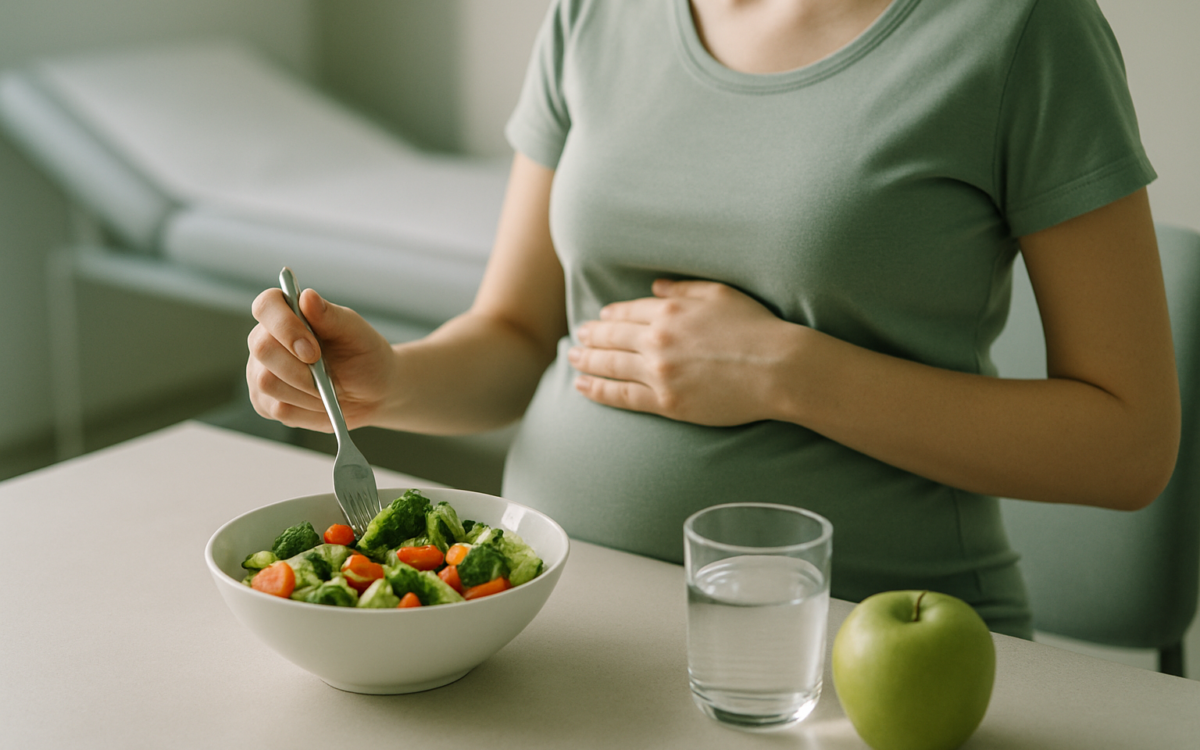
Pregnancy is an exciting yet transformative time in a woman’s life. As you embark on this journey, the food you eat plays a crucial role in your health and your baby’s development. Proper nutrition can help manage pregnancy symptoms, support fetal growth, and lay the groundwork for lifelong health.
The Importance of Nutrition During Pregnancy
Nutrition during pregnancy is not just about eating for two. It’s about making informed food choices to ensure both mother and baby thrive. Research indicates that a balanced diet can lead to healthier pregnancies and better outcomes for newborns. Healthy eating can reduce the risk of complications such as gestational diabetes and low birth weight.
Key Nutrients for Pregnant Women
During pregnancy, certain nutrients become especially important. Here are some essential ones to focus on:
- Folic Acid: Vital for preventing neural tube defects, folic acid can be found in leafy greens, nuts, and fortified grains.
- Iron: Iron helps support increased blood volume. Good sources include lean meats, beans, and spinach.
- Calcium: Important for building the baby’s bones and teeth. Dairy products, leafy greens, and fortified plant milks are great options.
- DHA: Omega-3 fatty acids are crucial for brain development. Fatty fish, flaxseeds, and walnuts are excellent sources.
Foods to Include in Your Diet
While it’s essential to focus on specific nutrients, choosing a variety of foods can help ensure you’re getting a comprehensive array of vitamins and minerals. Here are some food groups to prioritize:
Fruits and Vegetables
Fruits and vegetables are packed with important vitamins, minerals, and fiber. Aim for a colorful plate to reap the benefits of different nutrients. Fresh berries, bananas, citrus fruits, and a mix of vegetables can provide a significant nutrient boost.
Whole Grains
Whole grains like oatmeal, brown rice, and whole-wheat bread are excellent sources of energy and dietary fiber. They help aid digestion and can stabilize blood sugar levels, which is important during pregnancy.
Lean Proteins
Protein is necessary for the baby’s growth and development. Incorporate lean meats, poultry, fish, eggs, and plant-based proteins like beans and lentils into your meals.
Dairy and Alternatives
Dairy products are great sources of calcium and protein. If you’re lactose intolerant or prefer plant-based options, consider fortified almond milk or soy yogurt.
Foods to Limit or Avoid
While there are many foods that can benefit you during pregnancy, it’s equally important to know which ones to limit or avoid:
- Caffeine: High amounts of caffeine may be linked to low birth weight. It’s best to limit intake or opt for decaffeinated options.
- Alcohol: No amount of alcohol is proven safe during pregnancy. Abstaining is the best policy.
- Raw or Undercooked Foods: Avoid raw fish (like sushi), eggs, and meat to reduce the risk of foodborne illness.
Managing Cravings and Aversions
Pregnancy can bring about strong cravings and aversions. While it’s okay to indulge occasionally, try to balance your cravings with nutritious choices. For example, if you’re craving sweets, consider fruit or yogurt instead of candy. And if certain foods make you feel nauseated, listen to your body and avoid them.
Hydration Matters
Staying hydrated is crucial during pregnancy. Water helps support increased blood volume, aids digestion, and can alleviate common pregnancy symptoms like swelling and fatigue. Aim for at least 8 to 10 cups of fluids a day, and consider other hydrating options like herbal teas, smoothies, or broth.
When to See a Doctor
If you have concerns about your diet, weight gain, or specific cravings or aversions, it’s important to consult your healthcare provider. They can offer personalized advice and ensure that you and your baby are getting the nutrition you need.
Conclusion
Eating well during pregnancy is an essential step in nurturing your growing baby and taking care of yourself. By focusing on a variety of nutrient-rich foods and listening to your body’s needs, you can make choices that promote a healthy pregnancy. Remember, every pregnancy is unique, and consulting your doctor can help you tailor your diet to your personal health requirements.
