
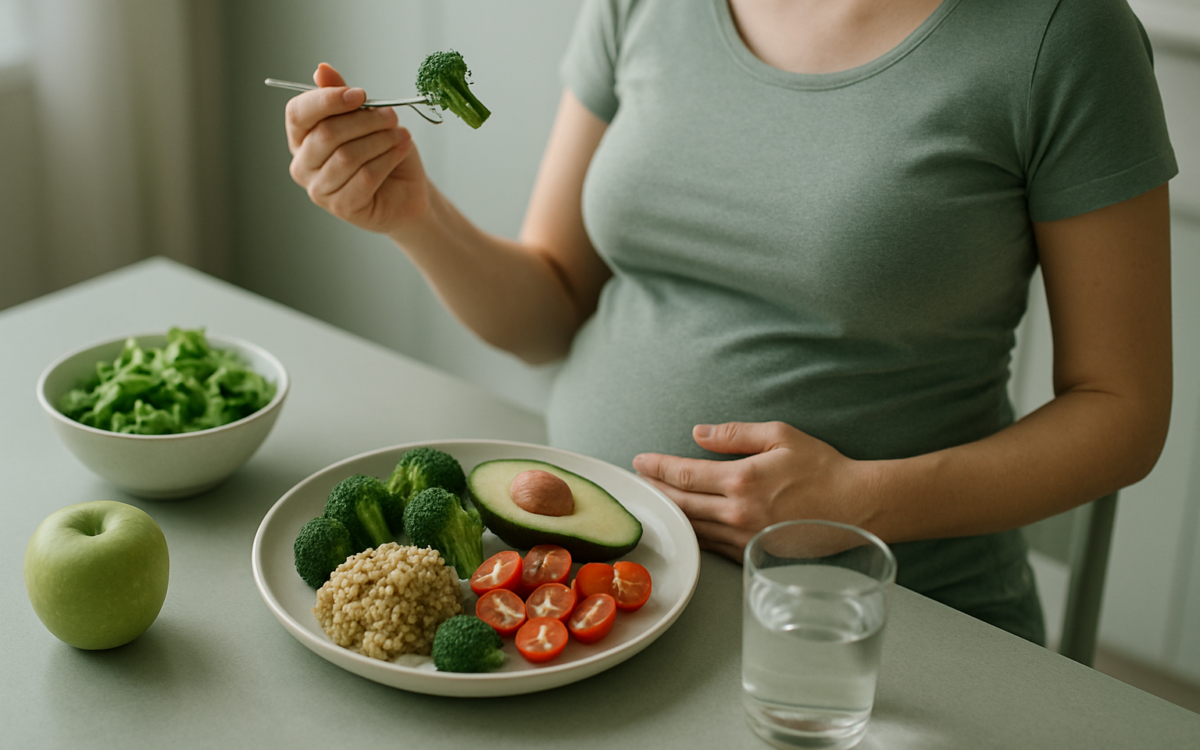
Becoming a parent is an exciting journey, and for many expectant mothers, it means being more mindful of what goes on their plates. Healthy eating during pregnancy is crucial for the development of the baby and the health of the mother. However, with so many food options available, it can sometimes feel overwhelming to navigate through the array of choices. This article will provide helpful insights into superfoods and dietary practices that can support a healthy pregnancy.
Understanding Pregnancy Nutrition
Nutrition during pregnancy plays a vital role in both the mother’s health and the baby’s development. It’s important to focus on varied and nutritious foods that provide essential vitamins and minerals. Key nutrients that should be prioritized include:
- Folic Acid: Important for the development of the neural tube, folic acid helps prevent certain birth defects. Foods rich in folate include leafy greens, legumes, and fortified cereals.
- Iron: Essential for increasing blood volume and preventing anemia, iron can be found in lean meats, beans, and fortified grains.
- Calcium: Crucial for developing the baby’s bones and teeth, calcium is abundant in dairy products, green leafy vegetables, and fortified plant milks.
- Protein: Helps in the growth of fetal tissue, including the brain, and supports uterine and breast tissue development. Good sources are lean meats, eggs, beans, and nuts.
Smart Food Choices for Expecting Moms
Here are some healthy food choices to include in your diet:
1. Fresh Fruits and Vegetables
Fruits and vegetables are packed with vitamins, minerals, and fiber. Aim to include a variety of colors in your meals to get a broad spectrum of nutrients. Berries, oranges, bananas, and leafy greens like spinach are excellent options.
2. Whole Grains
Whole grains are a great source of energy and provide important nutrients such as B vitamins, iron, and fiber. Foods like brown rice, quinoa, whole-grain bread, and oatmeal can help keep energy levels steady.
3. Lean Proteins
Opt for lean proteins such as chicken, turkey, and fish. Fish like salmon is rich in omega-3 fatty acids, which are beneficial for brain development. However, it’s important to limit certain types of fish that may contain high levels of mercury.
4. Healthy Fats
Incorporate healthy fats from sources like avocados, nuts, seeds, and olive oil. These fats are crucial for the baby’s brain development. Avoid trans fats found in fried and processed foods.
5. Dairy or Dairy Alternatives
Dairy products provide calcium and vitamin D, which are vital during pregnancy. If you’re lactose intolerant or prefer non-dairy options, consider fortified almond or soy milk.
Foods and Drinks to Limit
While there are many foods to enjoy, there are also some that should be limited or avoided altogether:
- Caffeine: Limit caffeine intake to about 200 mg per day, or about one 12-ounce cup of coffee, as excessive caffeine can increase the risk of miscarriage.
- Alcohol: No amount of alcohol is considered safe during pregnancy, so it’s best to avoid it entirely.
- Processed Foods: Many processed foods contain added sugars, unhealthy fats, and sodium. These can contribute to excessive weight gain and health issues.
- Raw or Undercooked Foods: Avoid raw fish (like sushi), eggs, and meat to reduce the risk of foodborne illnesses.
Hydration Matters
Staying hydrated is another essential aspect of nutrition during pregnancy. Water helps in many bodily functions, including nutrient transport and temperature regulation. Aim for at least 8-10 cups of fluids daily. Incorporate beverages like herbal teas and coconut water, but avoid sugary drinks.
Practicing Mindful Eating
Pregnancy is a wonderful time to practice mindful eating. Listening to your body and understanding its hunger cues can help in maintaining a healthy weight gain during the pregnancy. Try these strategies for mindful eating:
- Eat slowly and savor each bite.
- Pay attention to hunger and fullness cues.
- Limit distractions during meals, such as watching TV or using your phone.
- Engage with your food and appreciate its textures and flavors.
When to See a Doctor
If you have any concerns about your nutrition or dietary choices during pregnancy, it’s always best to consult with your healthcare provider or a registered dietitian. They can provide personalized guidance based on your individual health needs and pregnancy status. Pay attention to any unusual symptoms such as extreme fatigue, unexplained weight loss or gain, or gastrointestinal distress.
Choosing healthy foods during pregnancy not only benefits your baby’s development but also helps you feel your best as you navigate this life-changing experience. By focusing on a balanced diet rich in vitamins and minerals, you can promote a healthy pregnancy and set the foundation for your little one’s future health.
For more information on nutrition during pregnancy, check out useful resources from the CDC or WHO.
