
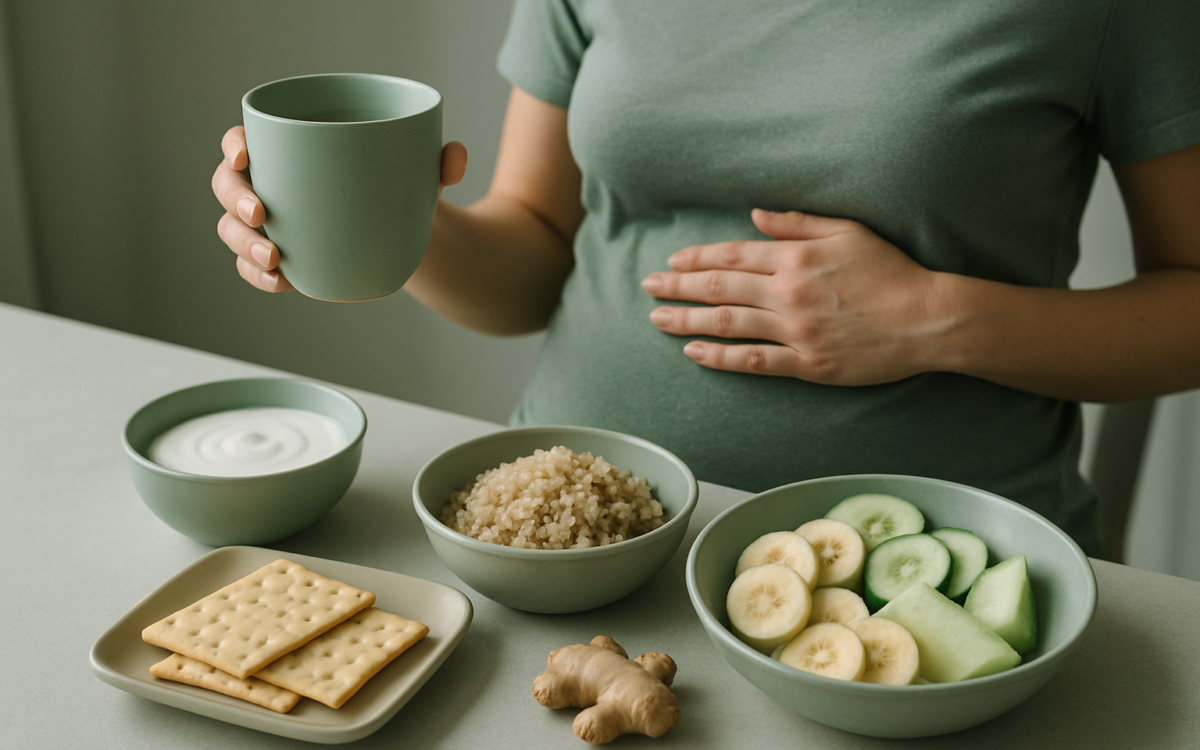
Pregnancy can be a beautiful journey, but for many, it comes with its share of challenges, particularly in the form of pregnancy sickness. Commonly known as morning sickness, this condition affects a large number of expectant mothers, causing nausea and vomiting, especially in the early stages of pregnancy. While the symptoms can be uncomfortable and frustrating, making wholesome food choices may help ease the discomfort. Let’s delve into some of the best foods to consider when grappling with pregnancy sickness.
Understanding Pregnancy Sickness
Morning sickness isn’t confined to mornings; it can happen any time of day or night. Although the exact cause of pregnancy sickness isn’t entirely known, hormonal changes, increased sensitivity to smells, and factors like stress may contribute. It generally occurs during the first trimester but can last longer for some women. While it can be distressing, it’s worth noting that it rarely affects the health of the developing baby. If you experience severe symptoms, such as dehydration, it’s essential to consult your doctor for tailored advice.
Foods High in Protein
Protein is essential for you and your baby’s growth, and incorporating protein-rich foods can help stabilize your blood sugar levels, which may reduce feelings of nausea. Consider these options:
- Greek yogurt: Creamy and flavorful, Greek yogurt is packed with protein and can be enjoyed plain or with fruits.
- Nuts: A handful of almonds or walnuts can offer both protein and healthy fats, providing lasting energy.
- Eggs: They’re versatile and easy to cook; eggs can be scrambled, boiled, or made into an omelet.
These options can help you maintain your energy levels throughout the day and may also help in alleviating nausea.
Easily Digestible Carbohydrates
Many women find that bland, simple carbohydrates can help reduce nausea. Foods in this category are easier on the stomach and can absorb gastric acid. Here are some choices:
- crackers: Plain crackers are a classic remedy for morning sickness. They’re light and easy to digest.
- Toast: Opt for whole-grain bread or simple white toast for a comforting snack.
- Rice: Plain white rice is gentle on the stomach and pairs well with other bland foods.
Incorporating these carbohydrates can offer relief while providing essential energy for your daily activities.
Citrus Fruits and Herbal Teas
Many women find that the scent and taste of citrus can be particularly soothing for an upset stomach. These foods can also offer hydration and are rich in vitamins:
- Oranges: Fresh oranges or orange juice can help satisfy cravings while providing vitamin C.
- Lemons: Lemonade or even sucking on lemon slices might help some women feel better.
- Ginger tea: Many cultures have long used ginger to treat nausea. Ginger tea can be calming and delicious.
Incorporating these refreshing foods into your diet may help keep nausea at bay.
Healthy Fats
Don’t shy away from healthy fats during your pregnancy; they are essential for your baby’s brain development. Include these foods based on your personal tolerance:
- Avocados: Creamy and nutritious, avocados contain fiber and healthy monounsaturated fats.
- Olive oil: Use olive oil as a dressing or light cooking oil, which is generally well tolerated.
- Fatty fish: Options like salmon, which are low in mercury, provide omega-3 fatty acids that are beneficial.
Healthy fats can contribute to a sense of fullness and overall wellness during pregnancy.
Hydration is Key
Staying hydrated is crucial, especially if you’re experiencing vomiting. Dehydration can worsen nausea and lead to other complications. Here are some tips for keeping hydrated:
- Water: Sip on plain water throughout the day to maintain hydration.
- Electrolyte drinks: Low-sugar electrolyte solutions can help replenish lost minerals.
- Broths: Clear broths can be both nourishing and hydrating.
Experimenting with different flavors and forms of hydration might help you find what works best during your pregnancy.
When to See a Doctor
If pregnancy sickness becomes severe, you should consult your healthcare provider. Signs that warrant a visit include:
- Inability to keep any food or fluids down for more than 24 hours
- Symptoms of dehydration, such as dizziness or infrequent urination
- Worsening nausea or vomiting that affects your daily life
Your doctor can assess your condition and recommend safe treatments or dietary adjustments tailored to your unique situation.
Conclusion
Finding the best foods to ease pregnancy sickness can significantly improve your comfort during this crucial time. By incorporating a variety of nutrient-rich options like protein-packed foods, easily digestible carbohydrates, citrus fruits, healthy fats, and maintaining hydration, you may find relief from discomfort. Remember, each pregnancy is unique, so consider keeping a food journal to determine which foods best support your body’s needs. And as always, consult with your healthcare provider for personalized advice tailored to your health and pregnancy journey. For more information about pregnancy-related health, you can read more from organizations like the CDC and Mayo Clinic.
