
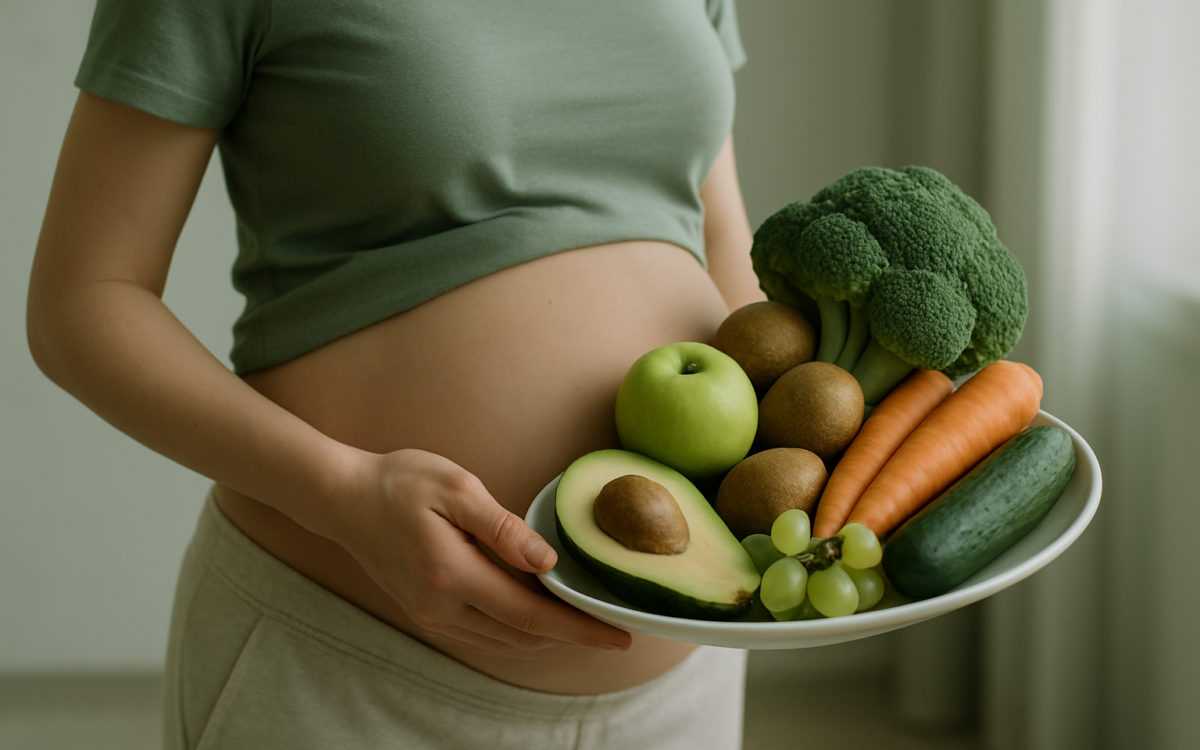
When you’re pregnant, eating a balanced diet becomes more important than ever. Fruits and vegetables are key components of this diet, providing essential vitamins and minerals for both you and your growing baby. Let’s explore the benefits of including various fruits and vegetables in your pregnancy meal plan.
Why Fruits and Vegetables Matter in Pregnancy
Fruits and vegetables are packed with vital nutrients needed for your pregnancy journey. They are rich in vitamins (like A, C, and folate), minerals (such as potassium and magnesium), and fiber. These nutrients help prevent complications, support fetal development, and ensure that you remain healthy throughout the nine months.
Essential Nutrients for Expecting Mothers
Different fruits and vegetables provide diverse nutrients. Here are some essential nutrients to focus on during pregnancy:
- Folate: Crucial for fetal development, folate helps prevent neural tube defects. Leafy greens like spinach and kale are excellent sources.
- Vitamin C: Found in oranges, strawberries, and bell peppers, vitamin C supports your immune system and aids iron absorption.
- Fiber: Consuming enough fiber can help with digestion and prevent constipation. Apples, carrots, and avocados are fiber-rich choices.
- Iron: Necessary for blood production and to prevent anemia, sources include broccoli and dark leafy greens.
Top Fruits for Pregnant Women
Incorporating a variety of fruits into your diet can provide both enjoyment and nutrition. Here are some top fruit choices for pregnant women:
- Bananas: High in potassium, bananas can help combat fatigue and nausea while providing quick energy.
- Berries: Blueberries, strawberries, and raspberries are packed with antioxidants and low in sugar, making them a great option.
- Citrus Fruits: Oranges, lemons, and grapefruits are rich in vitamin C and can help with hydration.
- Mangoes: Sweet and packed with vitamins A and C, mangoes can enhance overall health during pregnancy.
The Best Vegetables to Include
Just like fruits, vegetables are vital for a balanced diet during pregnancy. Here are some vegetables you should consider including:
- Spinach: As a great source of folate, spinach is easy to add to salads and smoothies.
- Sweet Potatoes: Rich in beta-carotene and fiber, sweet potatoes make for a delicious side dish.
- Broccoli: This cruciferous vegetable is packed with vitamins C, K, and fiber.
- Peppers: Bell peppers are loaded with vitamins A and C, making them a colorful and nutritious addition to meals.
How to Add More Fruits and Vegetables to Your Diet
Making fruits and vegetables a regular part of your pregnancy diet can be simple and enjoyable. Here are some practical tips:
- Mix and Match: Create colorful salads or smoothies that incorporate multiple fruits and vegetables.
- Snack Smart: Keep washed fruits and cut-up veggies on hand for easy snacking.
- Incorporate into Meals: Add vegetables to pasta dishes, soups, and stir-fries for added nutrition.
- Explore New Options: Experiment with new fruits and vegetables to keep your meals exciting.
Hydration and Fruits & Vegetables
Staying hydrated is crucial during pregnancy, and many fruits and vegetables can help. Foods like watermelon, cucumbers, and oranges have high water content and can contribute to your daily hydration needs. Aim for at least 8-10 cups of fluids a day, depending on your activity level and climate.
When to See a Doctor
If you have concerns about your diet during pregnancy or experience nausea, vomiting, or severe food cravings, it’s essential to talk to your healthcare provider. They can provide tailored advice and support to ensure you and your baby are getting the nutrients you need.
For more information on nutrition in pregnancy, you can explore this resource from the NIH.
Fruits and vegetables play a vital role in a healthy pregnancy. Keeping your diet colorful and varied can provide you with the nutrients necessary for your health and that of your baby. Always consult your healthcare provider if you have specific questions or dietary concerns.
