
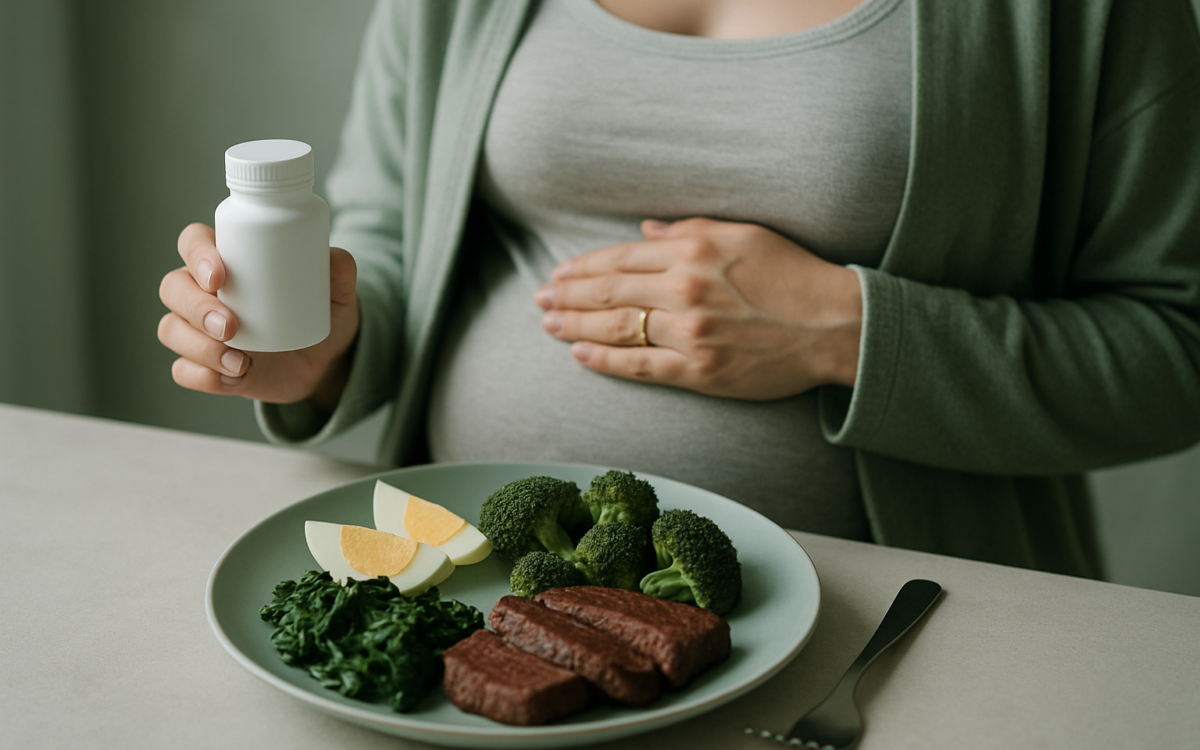
Pregnancy is an exciting journey filled with anticipation and change. During this time, a woman’s body undergoes numerous transformations to support the growing baby. One crucial aspect of this transformation is the need for adequate nutrition, particularly iron. An iron-rich diet during pregnancy helps prevent anemia, supports fetal development, and ensures the overall health of both mother and child.
Why is Iron Important During Pregnancy?
Iron plays a vital role in your body, especially during pregnancy. It is a key component of hemoglobin, the protein in red blood cells that carries oxygen to your body’s cells and to your baby. When pregnant, your body needs about 50% more iron than usual to support the increased blood volume and the developing fetus.
Adequate iron intake can help prevent iron-deficiency anemia, a common condition during pregnancy that can lead to fatigue, weakness, and complications during childbirth. According to the World Health Organization (WHO), many pregnant women globally are affected by anemia, which underscores the importance of this nutrient.
Recommended Iron Intake During Pregnancy
The National Institutes of Health (NIH) recommends that pregnant women consume about 27 mg of iron each day. This requirement increases later in pregnancy when the baby’s needs grow. It’s essential to spread your iron intake throughout the day and to focus on different sources of iron.
Sources of Iron for a Healthy Pregnancy
Incorporating a variety of iron-rich foods into your diet can help you meet your daily needs. Iron comes in two forms: heme and non-heme. Heme iron is found in animal products and is more easily absorbed by your body, while non-heme iron is found in plant-based foods and fortified products.
Heme Iron Sources
- Red meat (beef, lamb)
- Poultry (chicken, turkey)
- Seafood (salmon, shrimp, tuna)
- Organ meats (liver)
Non-Heme Iron Sources
- Beans and lentils (black beans, chickpeas)
- Tofu
- Spinach and other leafy greens
- Fortified cereals and grains
- Nuts and seeds (pumpkin seeds, almonds)
Pairing non-heme iron sources with vitamin C-rich foods enhances absorption. For example, enjoy a spinach salad with sliced strawberries or have orange juice alongside your morning iron-fortified cereal.
Signs of Iron Deficiency to Watch For
During pregnancy, it’s essential to be on the lookout for symptoms of iron deficiency. Some common signs include:
- Fatigue and weakness
- Pale skin
- Dizziness or lightheadedness
- Shortness of breath
- Heart palpitations
If you experience any of these symptoms, consult a healthcare professional. They may recommend blood tests to check your iron levels and consider iron supplementation if necessary.
Iron Supplements: Do You Need Them?
While getting iron from food is the best approach, some pregnant women may require iron supplements. Your healthcare provider can determine if supplementation is necessary based on your diet, blood test results, and individual health needs. If supplements are advised, follow your doctor’s guidance on dosage and timing, as excessive iron can also be harmful.
Integrating Iron into Your Daily Meals
Creating iron-rich meals doesn’t have to be complicated. Here are a few tips to seamlessly incorporate iron into your daily diet:
- Breakfast: Start your day with fortified cereal topped with berries and a glass of orange juice.
- Lunch: Enjoy a bean salad with colorful veggies and a lemon vinaigrette for added vitamin C.
- Dinner: Include grilled chicken or fish with a side of quinoa and steamed spinach.
- Snacks: Opt for a handful of nuts or hummus with carrot sticks.
By planning your meals and being mindful of iron sources, you can nourish yourself and your growing baby throughout your pregnancy.
When to See a Doctor
If you suspect you’re not getting enough iron or if you’re experiencing symptoms of anemia, consult your doctor. Regular prenatal check-ups are essential for monitoring your health and your baby’s development. If necessary, they can guide you on dietary changes or recommend supplements to ensure both you and your baby stay healthy.
In conclusion, an iron-rich diet during pregnancy is essential for both mother and baby. By understanding the importance of iron, recognizing dietary sources, and being alert to signs of deficiency, you can contribute to a healthier pregnancy experience. It’s always best to discuss any concerns regarding your diet or nutritional intake with your healthcare provider to receive personalized guidance.
