
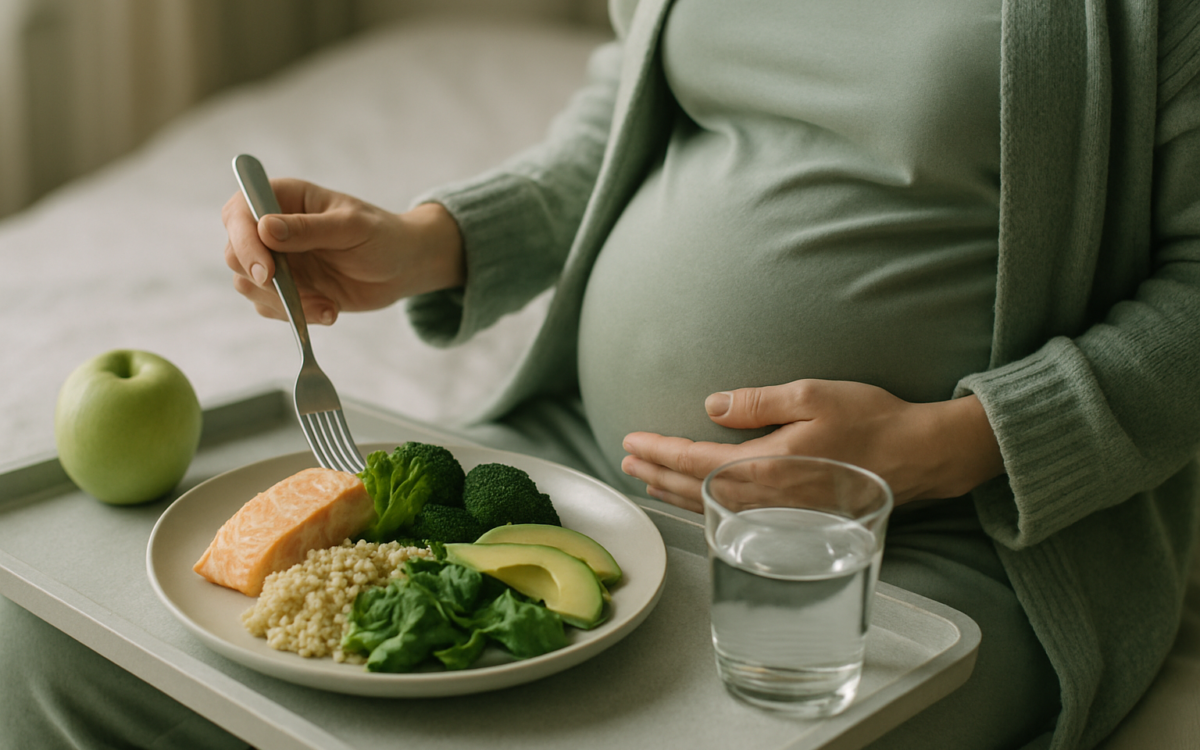
When you’re expecting, the journey ahead is filled with excitement, wonder, and a lot of decisions—especially about what to eat. Prenatal nutrition is crucial for both your health and the development of your baby. The right balance of nutrients can help ensure a healthy pregnancy, supporting the growth of your baby and preparing your body for childbirth and breastfeeding. In this article, we’ll explore the essentials of prenatal nutrition, from key nutrients to tips for maintaining a balanced diet.
Understanding Prenatal Nutrition
Prenatal nutrition involves eating the right foods to support your health and that of your growing baby. During pregnancy, your body’s nutritional needs change significantly. You need a variety of vitamins and minerals to foster the baby’s development and prepare your body for the changes ahead.
Key Nutrients for Expecting Mothers
Here are some essential nutrients that pregnant women should focus on:
- Folic Acid: Vital for preventing neural tube defects and supporting early fetal development. Aim for at least 400 to 800 micrograms (mcg) daily, often supplemented through prenatal vitamins.
- Iron: Helps build your baby’s blood supply and prevents anemia. Pregnant women typically need about 27 mg of iron per day.
- Calcium: Important for your baby’s bone and teeth development. Pregnant women should aim for 1,000 mg of calcium daily.
- DHA: An omega-3 fatty acid critical for your baby’s brain and eye development. Incorporate sources like fatty fish or DHA-fortified products.
- Vitamin D: Supports calcium absorption and bone health. Pregnant women should get at least 600 IU of vitamin D daily.
Creating a Balanced Meal Plan
A balanced meal plan during pregnancy ensures you get the essential nutrients needed for you and your baby. Here are some tips to consider:
- Incorporate a variety of food groups: Fruits, vegetables, whole grains, lean proteins, and healthy fats should all be part of your diet.
- Opt for whole foods: Processed foods often lack the necessary nutrients and can include added sugars and unhealthy fats.
- Stay hydrated: Aim for at least 8-10 glasses of water a day to support digestion and maintain energy levels.
- Mind portion sizes: Listen to your body, eat when you’re hungry, and stop when you’re full.
International Perspectives on Prenatal Nutrition
Pregnancy and nutrition practices can vary greatly across cultures. In some countries, certain foods are emphasized for their beneficial properties during pregnancy. For example, Mediterranean diets rich in fish, nuts, and olive oil are noted for their health benefits. If you’re considering international treatment options or need assistance with prenatal care abroad, explore international patient services that can guide you through dietary recommendations and care tailored to your needs.
Vitamins and Supplements in Prenatal Care
While a balanced diet should provide most of the nutrients you need, many healthcare providers recommend prenatal vitamins. These vitamins are specially formulated to ensure you receive key nutrients like folic acid, iron, and calcium.
- Consult with your healthcare provider: Before starting any supplements, it’s important to discuss them with your doctor to ensure they fit your individual health needs.
- Check for quality: Choose high-quality brands that are third-party tested for safety and efficacy.
Foods to Avoid During Pregnancy
Some foods and beverages should be avoided during pregnancy due to risks to both the mother and developing fetus:
- Raw or undercooked seafood, eggs, and meat: These can carry harmful bacteria and parasites.
- Caffeine: Limit intake, as high amounts can increase the risk of miscarriage.
- Alcohol: Safety guidelines recommend avoiding alcohol during pregnancy altogether, as it can lead to Fetal Alcohol Spectrum Disorders (FASD).
- High-mercury fish: Such as shark and swordfish, which can affect fetal brain development.
When to See a Doctor
If you have concerns about your diet during pregnancy or experience symptoms like excessive nausea, weight loss, or nutritional deficiencies, it’s essential to consult your healthcare provider for tailored advice and support.
Overall, prioritizing prenatal nutrition not only contributes to a healthy pregnancy but also lays the foundation for your baby’s health for years to come. Remember, every pregnancy is unique, so stay informed and enjoy this incredible journey!
