
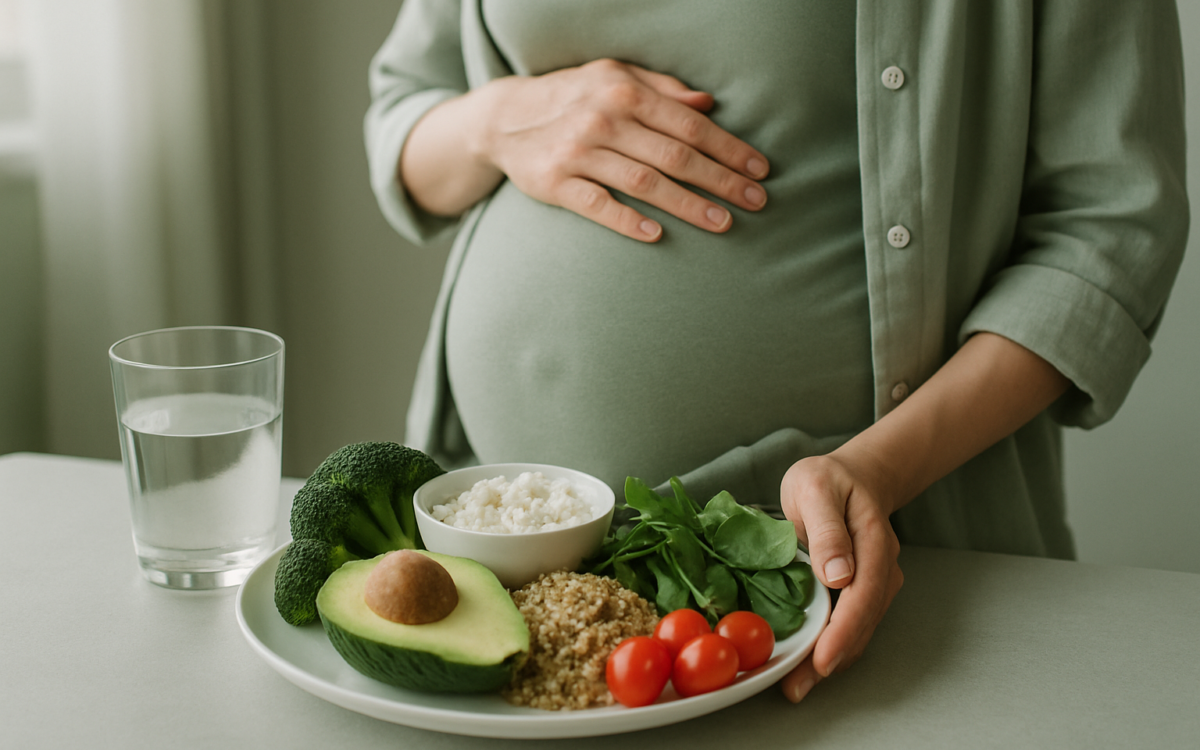
Pregnancy is a remarkable journey, often filled with excitement and anticipation. As your body undergoes significant changes, the right nutrition becomes crucial not just for your health, but for the development of your baby. This article sheds light on the best foods for expectant mothers.
Why Nutrition Matters in Pregnancy
Good nutrition during pregnancy can’t be overstated. It plays a vital role in ensuring healthy fetal growth and reducing the risk of complications. The foods you eat provide the building blocks your baby needs to develop properly. Additionally, a well-balanced diet helps manage pregnancy symptoms and prepares your body for labor and breastfeeding.
Key Nutrients for Expectant Mothers
Different nutrients support various aspects of pregnancy. Let’s explore some of the most important ones:
- Folic Acid: This B vitamin is essential for preventing neural tube defects. Foods rich in folate include leafy greens, fortified cereals, and legumes.
- Iron: Increased blood volume during pregnancy necessitates higher iron intake. Good sources are red meat, poultry, fish, beans, and fortified cereals.
- Calcium: Vital for the development of your baby’s bones and teeth. Dairy products, almonds, and leafy greens are excellent sources.
- Omega-3 Fatty Acids: Crucial for brain development. Fatty fish like salmon, walnuts, and flaxseeds are great choices.
Top Food Choices for Pregnant Women
Including a variety of nutrient-rich foods in your diet will not only benefit you but also your growing baby:
Fruits and Vegetables
Incorporate a rainbow of fruits and vegetables into your meals. These foods provide essential vitamins and minerals along with fiber that helps prevent constipation—a common issue during pregnancy. Some excellent choices include:
- Oranges and strawberries for vitamin C
- Spinach and broccoli for iron and calcium
- Sweet potatoes for beta-carotene
Whole Grains
Whole grains, such as brown rice, quinoa, and whole grain bread, are packed with fiber, vitamins, and energy-giving complex carbohydrates. They help maintain energy levels and are vital for fetal growth.
Lean Proteins
Protein is essential for your body’s growth and the development of your baby’s tissues. Opt for lean proteins like:
- Chicken and turkey
- Fish, especially those low in mercury (like salmon)
- Eggs, which are also a great source of choline
The Importance of Hydration
Staying hydrated is often overlooked but is crucial during pregnancy. Water supports digestion, nutrient absorption, and amniotic fluid production. Aim for at least 8-10 glasses of water daily. You can also include hydrating fruits and vegetables to boost your intake.
Foods to Limit or Avoid
While some foods are beneficial, others can pose risks during pregnancy. Consider limiting or avoiding the following:
- High-mercury fish: Such as shark, swordfish, and king mackerel
- Raw or undercooked meats: These can harbor harmful bacteria
- Caffeine: Limit intake as excessive caffeine may be linked to miscarriages or low birth weight.
- Processed foods: Often high in sodium, sugar, and unhealthy fats
Practical Tips for Healthy Eating
Here are some helpful strategies to make healthier food choices during your pregnancy:
- Plan meals: Preparing a weekly meal plan can ensure you meet your nutritional needs.
- Snack smart: Keep healthy snacks like nuts, yogurt, and fruits accessible to prevent unhealthy cravings.
- Cook at home: Cooking your meals allows you to control ingredients and portions.
When to See a Doctor
If you have specific dietary concerns or plan to make significant changes to your diet, it’s best to consult with a healthcare provider. This is particularly important if you have specific health conditions or feel unsure about your choices. Regular prenatal check-ups are essential for monitoring both your health and your baby’s development.
Conclusion
Embracing a nutritious diet during pregnancy is an act of love for both you and your growing baby. By focusing on a balanced intake of essential nutrients, you can support a healthy pregnancy and lay a strong foundation for your child’s future health. Make food choices that nourish your body, and remember: when in doubt, consult your healthcare provider for personalized guidance.
