
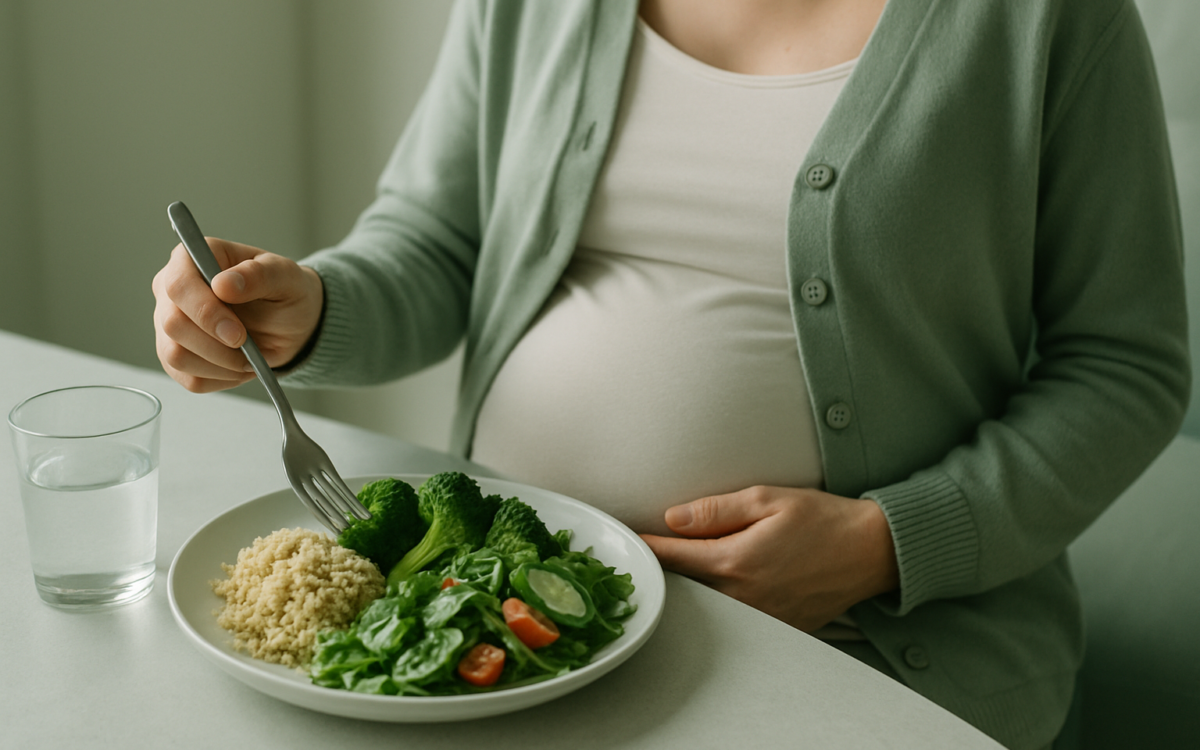
Pregnancy is a beautiful journey, but it also comes with a lot of responsibility—especially when it comes to nutrition. What you eat during this time can have a significant impact on the health of you and your developing baby. Therefore, it’s essential to focus on healthy, well-balanced meals that are rich in nutrients.
Understanding Nutritional Needs
During pregnancy, your body requires additional nutrients to support the growth and development of your baby. Key nutrients include:
- Folic Acid: Crucial for brain and spinal cord development.
- Iron: Supports blood volume and prevents anemia.
- Calcium: Necessary for bone health.
- Protein: Vital for the growth of fetal tissue.
- Omega-3 Fatty Acids: Beneficial for brain development.
To meet these needs, pregnant women should aim for a diverse diet that includes a variety of foods rich in these nutrients.
Meal Ideas Featuring Essential Nutrients
Creating meals that are not only healthy but also delicious is key to maintaining a balanced diet during pregnancy. Here are some meal ideas that focus on providing essential nutrients:
Breakfast
- Oatmeal with Fresh Fruits: Cook rolled oats with low-fat milk, top with berries and a sprinkle of nuts for extra protein and healthy fats.
- Veggie Omelette: Whip up an omelette with spinach, tomatoes, and cheese for a protein-packed start to your day.
- Greek Yogurt Parfait: Layer Greek yogurt with granola and mixed fruits for a refreshing and nutrient-rich breakfast.
Lunch
- Quinoa Salad: Mix cooked quinoa with black beans, corn, diced bell peppers, and lime dressing for a fiber-rich meal.
- Whole Grain Turkey Wrap: Fill a whole grain wrap with turkey, cheese, lettuce, and avocado for healthy fats and lean protein.
- Lentil Soup: A hearty lentil soup can be made with lots of vegetables, providing protein, iron, and vitamins.
Dinner
- Baked Salmon: Serve baked salmon with steamed broccoli and sweet potatoes for a dinner high in omega-3s and vitamins.
- Stir-Fried Tofu with Vegetables: A vegetarian option rich in protein and calcium, toss tofu with broccoli, carrots, and bell peppers in a light soy sauce.
- Chicken and Brown Rice: Grilled chicken served over brown rice with a side of mixed greens ensures your body is getting solid proteins and fibers.
Snacks that Nourish
Healthy snacks are a great way to maintain energy levels and meet nutritional needs throughout the day. Here are some nutritious options:
- Sliced apple with almond butter.
- Carrot sticks with hummus.
- A handful of mixed nuts.
- Cottage cheese with pineapple chunks.
The Importance of Hydration
Staying hydrated is crucial during pregnancy. Water supports digestion, prevents constipation, and can help reduce swelling. Pregnant women should aim for at least 8-10 glasses of water each day, adjusting based on activity level and climate.
International Perspective on Nutrition
Nutrition standards and pregnancy health can vary globally. Some countries focus on traditional meals that might incorporate specific local foods beneficial for pregnant women. If you are considering treatment in Turkey or anywhere abroad, it might be worth looking into how their traditional nutrition practices can provide unique benefits during pregnancy.
When to See a Doctor
Consult with your healthcare provider if you have specific dietary restrictions, health conditions, or are considering major changes to your diet. It’s also important to seek advice if you experience any unusual symptoms such as extreme fatigue, nausea, or other health issues.
Conclusion
Healthy meals during pregnancy can be both nourishing and delicious. By focusing on a variety of ingredients rich in essential nutrients, you can support both your health and your baby’s development. Make meals a joyful part of this beautiful journey!
