
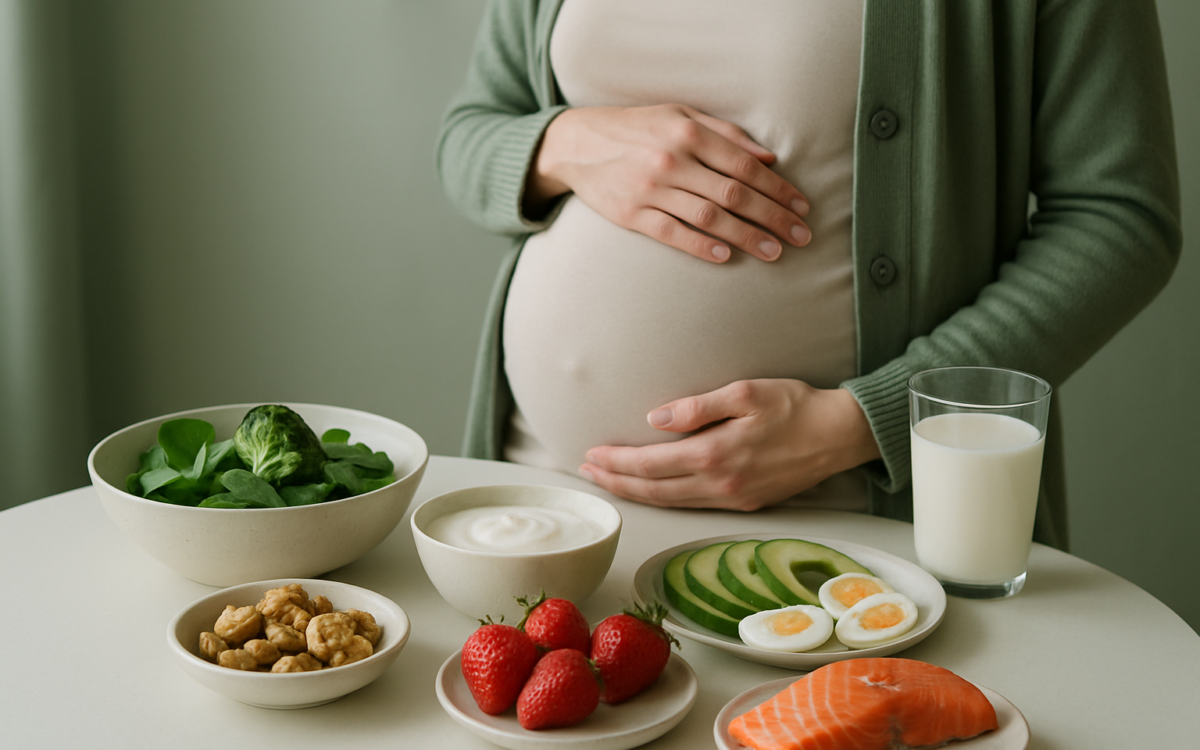
Pregnancy is a remarkable journey filled with excitement and anticipation. As an expectant mother, you want the best for your baby, which includes making informed food choices to support both your health and the development of your little one. What you eat during these nine months can significantly impact your baby’s growth and your own wellbeing. In this article, we will explore the best foods for pregnant women, ensuring that you receive essential nutrients for a healthy pregnancy.
Fruits and Vegetables: Nature’s Vitamins
Fruits and vegetables are powerhouse foods packed with vitamins, minerals, and antioxidants. They play a critical role in the health of both the mother and the developing baby.
- Leafy Greens: Spinach, kale, and broccoli are excellent sources of folate, iron, and calcium. Folate is crucial for reducing the risk of neural tube defects.
- Berries: Strawberries, blueberries, and raspberries are rich in vitamin C and fiber, helping support the immune system and maintaining digestive health.
- Citrus Fruits: Oranges, lemons, and grapefruits are great sources of vitamin C and hydration. They aid in iron absorption, essential during pregnancy.
Proteins: Building Blocks for Baby
Protein is essential during pregnancy for the growth of fetal tissue, including the brain, and it is equally important for maternal health. Here are some top choices:
- Lean Meat: Chicken, turkey, and lean cuts of beef are rich in protein and iron, which is crucial for the production of blood.
- Fish: Fatty fish like salmon and sardines provide omega-3 fatty acids, vital for brain development. However, avoid fish high in mercury.
- Legumes: Lentils, chickpeas, and beans are excellent vegetarian protein sources. They are also loaded with fiber and other essential nutrients.
Dairy and Alternatives: The Calcium Factor
Dairy products are rich in calcium and vitamin D, both of which are critical for building your baby’s bones and teeth.
- Yogurt: This is not only a good source of calcium but also contains probiotics, which promote a healthy gut.
- Cheese: Cheese can be a tasty way to ensure you get enough calcium. Choose varieties that are low in fat to keep your diet balanced.
- Fortified Plant Milks: Almond or soy milk fortified with calcium and vitamin D can be great alternatives for those who are lactose intolerant.
Whole Grains: Energy and Fiber
Whole grains are an important energy source, providing the fuel needed to support your body’s increased requirements during pregnancy.
- Brown Rice: A good source of complex carbohydrates, brown rice also has more fiber and nutrients than white rice.
- Oats: Rich in fiber and vitamins, oats can help maintain stable blood sugar levels and provide lasting energy.
- Quinoa: This grain is not only a good source of energy but also includes all nine essential amino acids, making it a complete protein.
Healthy Fats: Nourishing the Mind
Not all fats are bad; in fact, healthy fats are essential for fetal brain development. Including these in your diet can be immensely beneficial.
- Avocados: Packed with monounsaturated fats, avocados help improve circulation and provide essential nutrients like folate.
- Nuts and Seeds: Almonds, walnuts, and chia seeds are excellent sources of omega-3 fatty acids and fiber, promoting heart and brain health.
- Olive Oil: A healthy oil to use in cooking, olive oil contains beneficial monounsaturated fats that can aid in nutrient absorption.
Staying Hydrated: Water’s Role
Hydration is vital during pregnancy as it supports increased blood volume and helps flush out toxins. Aim to drink plenty of water throughout the day, and consider the following strategies:
- Carry a water bottle to remind you to drink.
- Add lemon or cucumber to your water for flavor.
- Keep track of your water intake using an app if necessary.
When to See a Doctor
While a healthy diet is essential during pregnancy, it’s equally important to consult with your healthcare provider if you have any concerns. Symptoms such as severe nausea, inability to keep food down, and unusual cravings or aversions may require professional guidance. Regular prenatal check-ups are also vital to monitor both your health and the baby’s development.
In conclusion, the journey of pregnancy is a beautiful experience intertwined with the choices you make regarding your health. Focusing on a variety of nutritious foods can create an optimal environment for your baby’s growth while supporting your own wellbeing. Remember that everyone’s pregnancy is unique; discussing dietary needs with your healthcare provider is always advisable to create a personalized plan. Embrace this exciting time, and enjoy every bite as you nourish your future!
