
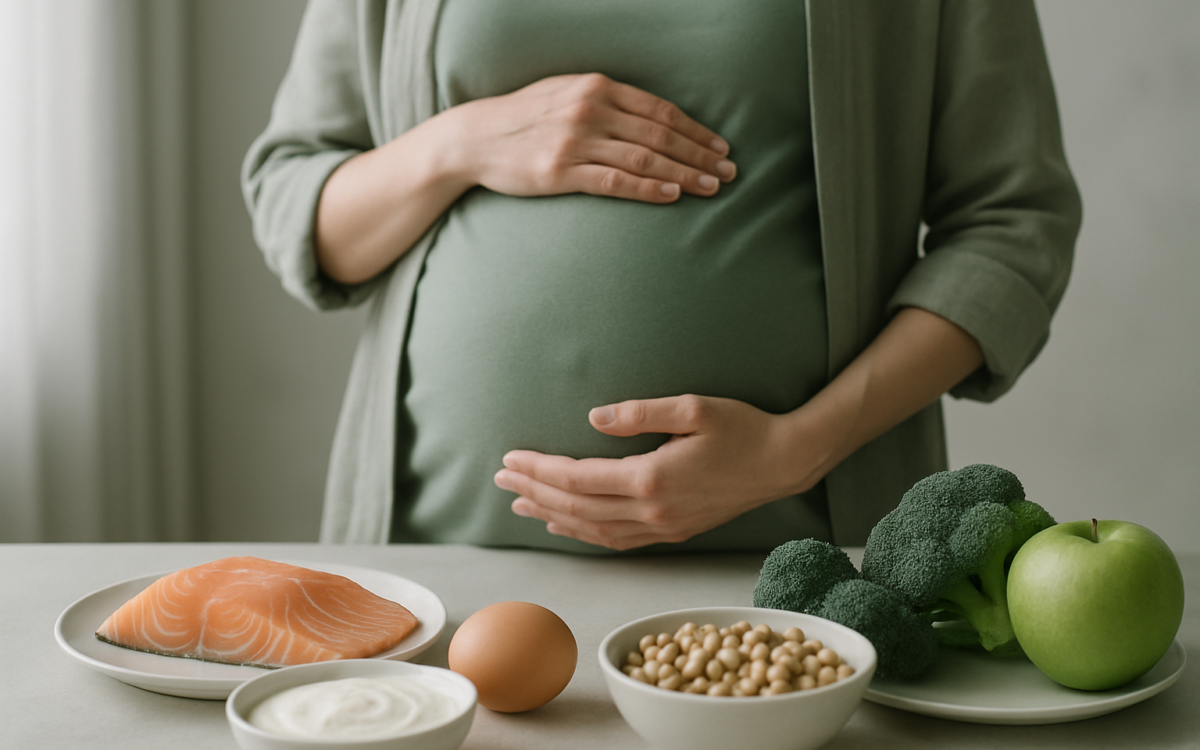
Pregnancy is a beautiful journey filled with excitement and anticipation, but it also comes with unique nutritional needs. Eating a balanced diet is vital not only for the mother’s health but also for the baby’s growth and development. The foods you choose can have a significant impact on both of your well-being. Let’s explore the best food options for pregnant women, ensuring you and your baby receive the nutrients you both need.
Essential Nutrients for Pregnant Women
Understanding what nutrients are essential during pregnancy is the first step in choosing the right foods. Key nutrients include:
- Folic Acid: Essential for fetal development; it helps prevent neural tube defects.
- Iron: Important for increasing blood volume and preventing anemia.
- Calcium: Crucial for developing the baby’s bones and teeth.
- Protein: Necessary for the growth of maternal tissue and the baby.
- DHA: An omega-3 fatty acid important for brain development.
These nutrients can be found in various foods, making it easier to create a well-rounded diet.
Top Food Choices for Pregnant Women
Now, let’s dive into some of the best food choices to include in your pregnancy diet.
1. Leafy Greens
Leafy greens like spinach, kale, and collard greens are nutritional powerhouses. They are packed with folic acid, iron, calcium, and other vitamins needed during pregnancy. Adding a salad or a green smoothie to your daily routine can be a great start.
2. Whole Grains
Whole grains, such as brown rice, quinoa, and whole wheat bread, are excellent sources of energy. They also provide fiber, which can help with constipation—a common issue during pregnancy. Opt for whole grains instead of refined grains whenever possible.
3. Lean Proteins
Lean proteins like chicken, turkey, fish, beans, and legumes are vital for the growth of the baby and the health of the mother. Aim for fish high in DHA, such as salmon. However, be mindful of mercury levels and limit certain types of fish during pregnancy.
4. Dairy Products
Dairy products like milk, cheese, and yogurt are great sources of calcium and protein. They can help meet your increased calcium needs during pregnancy. If you’re lactose intolerant, consider fortified plant-based milk as an alternative.
5. Fruits and Nuts
Fruits like oranges, bananas, and berries provide crucial vitamins, hydration, and fiber. Nuts and seeds are also excellent sources of healthy fats, protein, and other essential nutrients. A handful of nuts can make a great snack and boost your nutrient intake.
Foods to Avoid During Pregnancy
While certain foods promote health, others can pose risks during pregnancy. It’s essential to be mindful of these items:
- Raw or undercooked seafood and meat: These can contain harmful bacteria or parasites.
- Unpasteurized dairy products: They may carry the risk of foodborne illnesses.
- High-mercury fish: Species like shark, swordfish, and king mackerel should be avoided.
- Caffeine and alcohol: Both should be limited or avoided to prevent adverse effects on fetal development.
Meal Ideas for Expecting Mothers
Here are some simple meal ideas that include the best foods for pregnant women:
- Breakfast: Oatmeal topped with fresh fruits and a sprinkle of nuts.
- Lunch: Quinoa salad with chickpeas, vegetables, and avocados.
- Dinner: Grilled salmon with steamed broccoli and brown rice.
- Snacks: Greek yogurt with berries or veggie sticks with hummus.
Importance of Hydration
Staying hydrated is just as important as eating the right foods. Water supports all bodily functions and is crucial for the increased blood volume during pregnancy. Aim for at least 8-10 cups of fluids daily, adjusted according to physical activity and climate. Consider herbal teas and infused water for some variety.
When to See a Doctor
If you’re struggling to maintain a balanced diet during your pregnancy or experiencing significant cravings or aversions, it’s a good idea to consult your doctor or a registered dietitian. Additionally, seek medical advice if you have concerns about weight gain, nutritional deficiencies, or digestive issues.
Conclusion
Your journey through pregnancy is a time to savor and nourish yourself and your growing baby. By focusing on nutrient-rich foods, you can help ensure a healthier pregnancy and support your baby’s development. Always consult with your healthcare provider for guidance tailored to your unique needs during this special time.
For more information on nutrition during pregnancy, you may find valuable resources at NIH, CDC, and WHO.
