
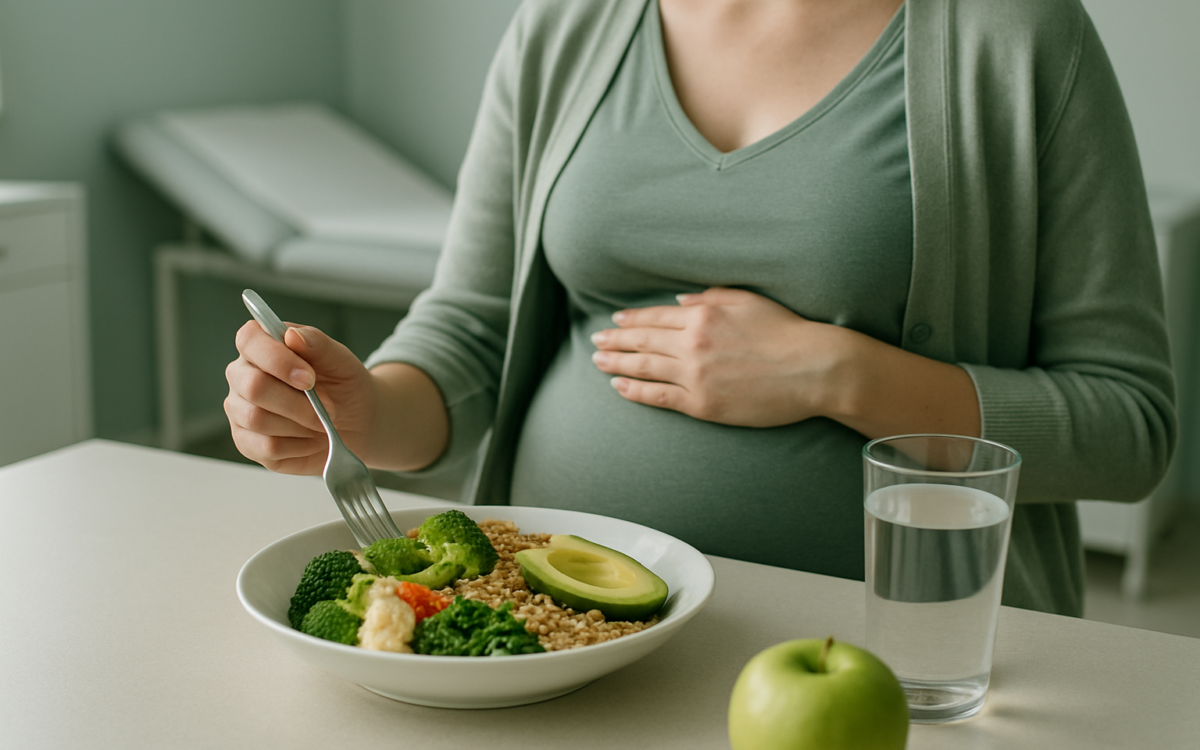
Pregnancy is one of life’s most remarkable journeys. As your body undergoes significant changes to nurture new life, proper nutrition becomes crucial. Gestational nutrition focuses on the dietary needs of a pregnant person, aiming to support both their health and the growth of the baby. This guide will walk you through essential nutrients, food choices, and tips for healthy eating during pregnancy.
The Importance of Nutrients
As soon as you find out you’re pregnant, it’s important to start thinking about your nutritional needs. Nutrients help play a vital role in fetal growth and can also impact your health during and after pregnancy. Here’s a breakdown of the key nutrients you need:
- Folic Acid: This B-vitamin is crucial for preventing neural tube defects in the developing baby. It’s recommended to consume 600 micrograms daily, starting before conception and continuing through pregnancy. Good sources include leafy greens, fortified cereals, and legumes. Learn more at CDC.
- Iron: Essential for producing extra blood and supporting your baby’s growth. Pregnant individuals need about 27 milligrams of iron daily. Red meat, beans, and spinach are excellent sources.
- Calcium: Important for building the baby’s bones and teeth. Aim for about 1,000 milligrams daily, found in dairy products, fortified alternatives, and leafy green vegetables.
- Omega-3 Fatty Acids: These essential fats are vital for the brain and eye development of your baby. Consider fatty fish like salmon or algae-based supplements if you’re vegetarian.
Healthy Food Choices
When planning a diet during pregnancy, focus on variety and balance. Below are some suggestions to create healthy meals:
- Fruits and Vegetables: Make half your plate fruits and vegetables. They are high in vitamins, minerals, and fiber, which can help prevent constipation.
- Whole Grains: Choose whole grains over refined grains. Options like brown rice, oats, and whole wheat bread offer more fiber and nutrients.
- Lean Proteins: Include sources like poultry, fish, eggs, beans, and nuts. They support both your own energy needs and your baby’s growth.
- Healthy Fats: Opt for unsaturated fats found in olive oil, avocados, and nuts. Limit saturated and trans fats often found in processed foods.
Managing Cravings and Aversions
It’s common for pregnant individuals to experience food cravings or aversions. Here are a few tips to manage them without compromising your nutrition:
- Listen to Your Body: If you crave certain foods, it’s okay to indulge occasionally, but try to maintain balance.
- Find Alternatives: If you have aversions to healthy foods, look for alternatives. For example, if you can’t stomach dairy, try yogurt or almond milk instead.
- Stay Hydrated: Sometimes cravings can also be dehydration. Drink plenty of water throughout your day.
Supplementing Wisely
Even with a balanced diet, it might be necessary to take prenatal vitamins to ensure you’re getting all the necessary nutrients. Here’s what to consider:
- Choose the Right Supplement: Look for prenatal vitamins that contain folic acid, iron, calcium, and DHA to support both your and your baby’s health.
- Consult Your Doctor: Always check with your healthcare provider before starting any new supplement. They can help determine whether you need additional nutrients based on your individual circumstances.
Understanding Food Safety
Food safety becomes increasingly important during pregnancy. To reduce the risk of foodborne illnesses, consider the following:
- Wash Fruits and Vegetables: Always wash fresh produce thoroughly to remove harmful bacteria.
- Avoid Certain Foods: Steer clear of unpasteurized dairy, raw or undercooked seafood, meat, and eggs to minimize infection risk.
- Cook Thoroughly: Ensure that all meats are cooked to a safe temperature to kill harmful bacteria.
When to See a Doctor
If you have concerns about your nutrition, weight changes, or experience unusual symptoms during pregnancy, reach out to your healthcare provider. They can provide tailored advice and support.
For more detailed nutrition guidelines specific to your needs, you can refer to the WHO and Mayo Clinic.
Gestational nutrition is not just about feeding yourself; it’s about nurturing a new life. By being conscious of your food choices, staying informed, and maintaining regular check-ups with your healthcare provider, you can support a healthy pregnancy journey.
