
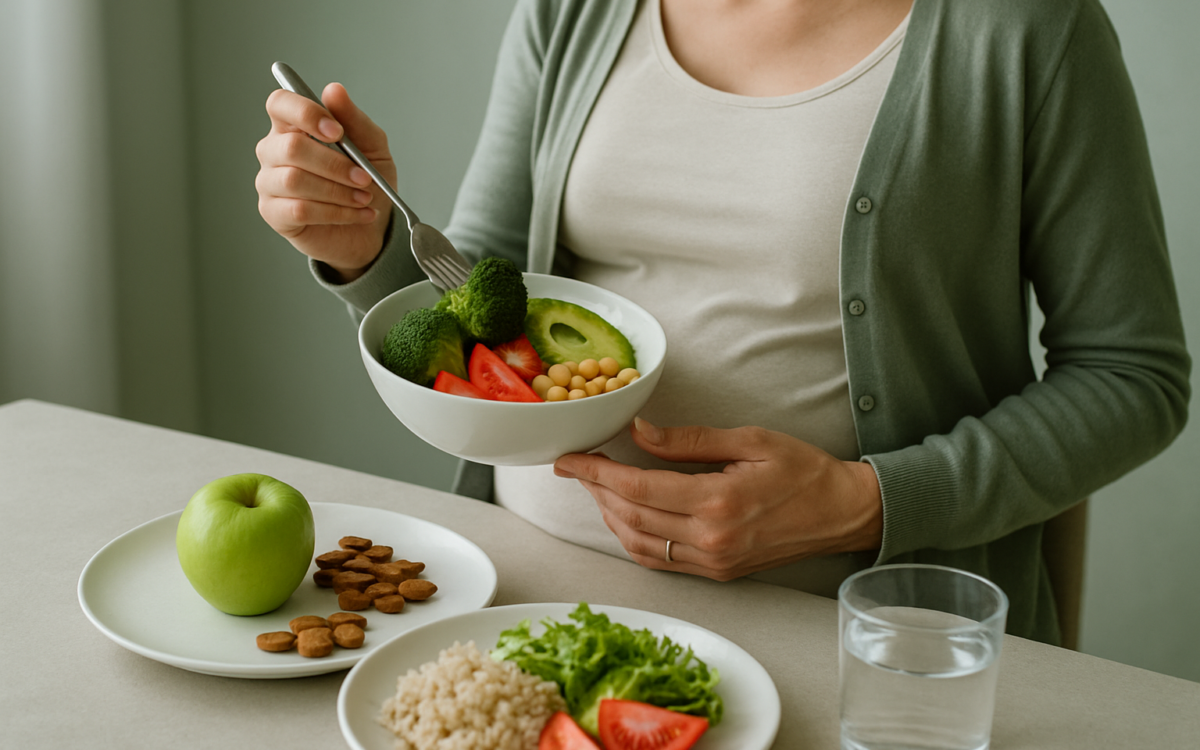
Pregnancy is a beautiful journey filled with anticipation and change. As your body grows and evolves, so does your nutritional needs. Eating well during pregnancy is crucial not only for your health but also for the development of your baby. Let’s explore the foods that can help ensure both of you stay healthy and happy during this remarkable time.
Key Nutrients to Focus On
During pregnancy, certain nutrients become more important than ever. Here are the key ones to focus on:
- Folic Acid: Essential for preventing neural tube defects, folic acid is crucial during the first trimester. Foods rich in folate include leafy greens, lentils, nuts, and fortified cereals.
- Iron: Pregnant women need more iron to support increased blood volume and growth of the placenta. Include iron-rich foods like red meat, poultry, fish, beans, and spinach in your diet.
- Calcium: Important for developing your baby’s bones and teeth, calcium can be found in dairy products, fortified plant milks, tofu, and leafy greens.
- Protein: Protein is vital for your baby’s growth. Good sources include lean meats, eggs, dairy, beans, and nuts.
- Omega-3 Fatty Acids: These are critical for your baby’s brain development. Incorporate fatty fish such as salmon, chia seeds, flaxseeds, and walnuts into your meals.
Fruits and Vegetables: Nature’s Multivitamins
Fruits and vegetables are packed with vitamins, minerals, and fiber. Aim for a colorful variety as each color provides different nutrients:
- Berries: Blueberries, strawberries, and raspberries are high in antioxidants and vitamin C.
- Bananas: A great source of potassium and also helps with digestion.
- Citrus Fruits: Oranges, lemons, and grapefruits are rich in vitamin C, which supports immune function.
- Leafy Greens: Spinach and kale are packed with iron, calcium, and folic acid.
Consider creating a colorful salad or smoothie to easily incorporate these nutrient-rich options into your meals.
Whole Grains: The Power of Fiber
Whole grains are an excellent source of energy and fiber, which helps prevent constipation—a common issue during pregnancy. Good choices include:
- Oats: A great breakfast option that provides both soluble fiber and iron.
- Quinoa: This complete protein is perfect for a salad base or as a side dish.
- Brown Rice: A healthy carb that is filling and pairs well with various dishes.
- Whole Wheat Bread: Use this for sandwiches to add extra nutrients to your daily diet.
Substituting white bread or rice for whole grain versions is one of the simplest ways to increase your fiber intake.
Healthy Proteins: Meat, Dairy, and Alternatives
Protein should make up a significant portion of your diet during pregnancy. Here are some healthful protein-rich foods you can enjoy:
- Lean Meats: Chicken and turkey are excellent sources of protein and iron.
- Fish: Aim for low-mercury options like salmon, which are also high in omega-3 fatty acids.
- Dairy: Low-fat Greek yogurt and cheese provide protein and calcium simultaneously.
- Legumes: Beans, lentils, and chickpeas are protein-packed options that are also high in fiber.
If you’re considering international treatment options or specialized nutrition advice, you might explore treatment in Turkey, where various programs cater specifically to pregnant women’s dietary needs.
Hydration: Don’t Forget to Drink Up
Staying hydrated is an essential part of a healthy diet during pregnancy. Aim to drink at least eight to ten cups of fluid each day, primarily water. Here are a few tips:
- Coconut water is not only hydrating but also packed with electrolytes, making it a refreshing option.
- Herbal teas can be soothing, but check with your doctor to ensure they are pregnancy-safe.
- Infuse water with slices of fruits or herbs like mint for a delightful twist.
Proper hydration can help alleviate common issues such as swelling and fatigue.
Foods to Limit or Avoid
While focusing on good food for pregnant ladies, it’s equally important to know what to limit or avoid:
- Raw or Undercooked Seafood, Eggs, and Meat: These can carry harmful bacteria or parasites.
- High-Mercury Fish: Avoid fish like shark, swordfish, and king mackerel, which can harm your baby’s development.
- Processed Foods: High in sugar, salt, and unhealthy fats, they offer little nutritional benefit.
- Alcohol: It’s advised to avoid alcohol entirely during pregnancy as it can affect fetal development.
Being mindful of what you consume can contribute positively to your pregnancy experience.
When to See a Doctor
If you have concerns about your diet or specific cravings during your pregnancy, don’t hesitate to speak with your healthcare provider. They can provide personalized guidance and may refer you to a nutritionist specializing in pregnancy.
It’s essential to maintain open communication with your doctor about your nutritional needs throughout your pregnancy.
Eating well during pregnancy not only nourishes you but also lays a strong foundation for your baby’s health. By focusing on a balanced diet rich in the nutrients discussed, you’re taking significant steps toward a healthier pregnancy and a thriving future for your family.
