
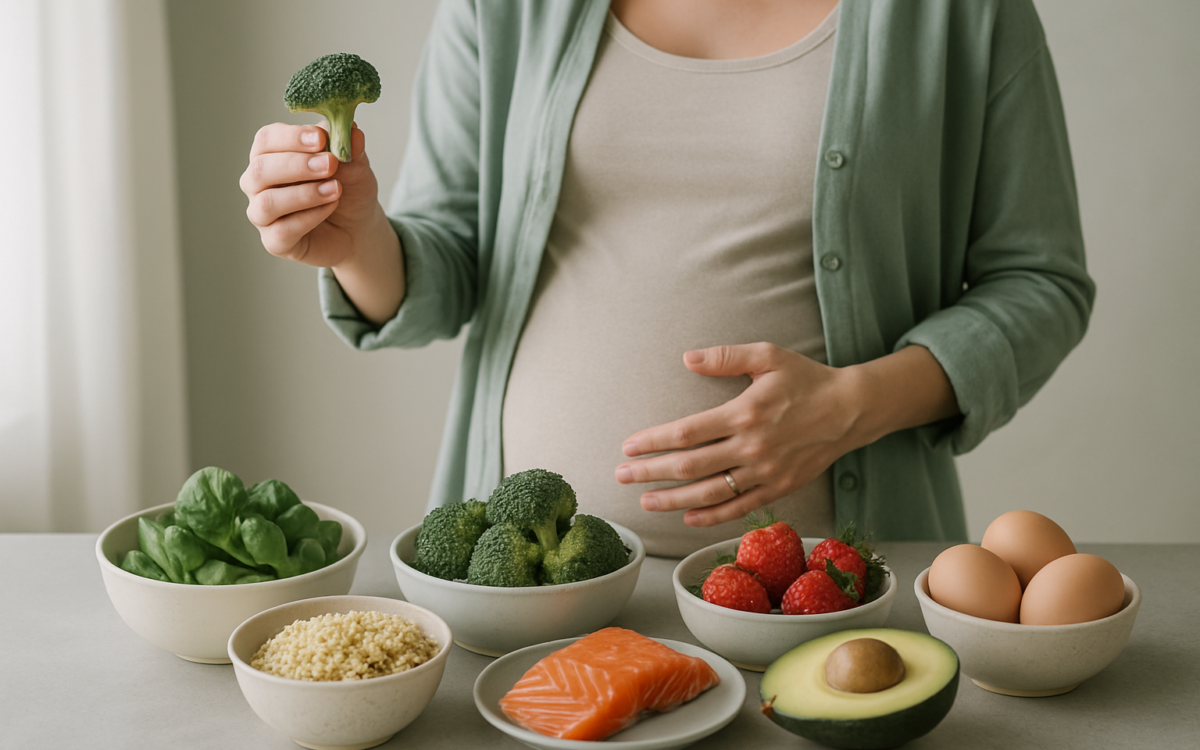
The first trimester of pregnancy is a remarkable time filled with excitement and changes. As your body prepares to nurture new life, what you eat plays a vital role in supporting both your health and that of your developing baby. During this early stage, your nutritional needs shift, and choosing the right foods becomes even more important. In this article, we will explore the best foods to include in your diet during the first trimester.
1. Leafy Greens: Your Nutrient Powerhouses
Leafy greens, such as spinach, kale, and collard greens, are packed with essential nutrients. They are high in folate, which is crucial for fetal development and helps prevent neural tube defects. Additionally, these greens provide iron, calcium, and fiber, all of which are beneficial during pregnancy.
- Folate: Vital for DNA synthesis and cell growth.
- Iron: Helps prevent anemia, which can be common in pregnancy.
- Calcium: Supports the development of your baby’s bones and teeth.
2. Whole Grains: Sustained Energy and Fiber
Whole grains, such as brown rice, whole wheat bread, and quinoa, are excellent sources of complex carbohydrates. They provide sustained energy and are rich in fiber, which can help alleviate constipation, a common issue in early pregnancy.
- Complex Carbohydrates: Vital for energy to support your changing body.
- Fiber: Helps maintain healthy digestion and can control blood sugar levels.
- B Vitamins: Important for energy production and overall metabolism.
3. Lean Proteins: Building Blocks for Growth
Incorporating lean proteins into your diet is essential for the growth and development of your baby. Foods like chicken, turkey, fish (low in mercury), beans, and lentils provide the necessary amino acids to support fetal tissue growth.
- Amino Acids: The building blocks of proteins crucial for baby development.
- Iron and Zinc: Important for your immune system and overall health.
- Minimal Saturated Fats: Choose lean cuts to support cardiovascular health.
4. Dairy and Alternatives: Calcium and Vitamin D Sources
Dairy products and fortified plant-based alternatives are rich in calcium and vitamin D, both important for bone health. Milk, yogurt, and cheese not only provide these vital nutrients but also include beneficial probiotics that can improve gut health.
- Calcium: Essential for your baby’s bone and teeth development.
- Vitamin D: Supports calcium absorption and plays a role in immune function.
- Probiotics: Promote digestive health and may help with morning sickness.
5. Healthy Fats: Omega-3 Fatty Acids for Brain Development
Healthy fats, particularly omega-3 fatty acids found in fish (like salmon and sardines), flaxseeds, chia seeds, and walnuts, are crucial for your baby’s brain development. Including these in your diet can support cognitive function and overall growth.
- Omega-3 Fatty Acids: Important for brain and eye development.
- Heart Health: Healthy fats benefit your cardiovascular system.
- Satiety: Helps you feel full and satisfied with your meals.
6. Hydration: Don’t Forget Your Fluids
While not a food, hydration is critical during your first trimester. Drinking enough fluids helps to support all bodily functions, including digestion and nutrient absorption. Aim for water as your primary beverage, but you can also enjoy herbal teas and soups.
- Water: Essential for overall health and hydration.
- Herbal Teas: Choose caffeine-free options for a warm beverage.
- Soups: A delicious way to increase your fluid intake.
When to See a Doctor
While it’s important to focus on a healthy diet during pregnancy, it’s equally essential to consult your doctor if you experience any concerning symptoms. This can include severe morning sickness that prevents you from keeping food or fluids down, unusual cravings or aversions, or significant weight loss. Your healthcare provider can offer guidance tailored to your needs.
Remember, your first trimester sets the stage for a healthy pregnancy. By incorporating a variety of nutritious foods into your diet, you’re not only supporting your health but also giving your baby a great start. Always consult with your healthcare provider to ensure your diet meets your individual needs during this beautiful journey.
