
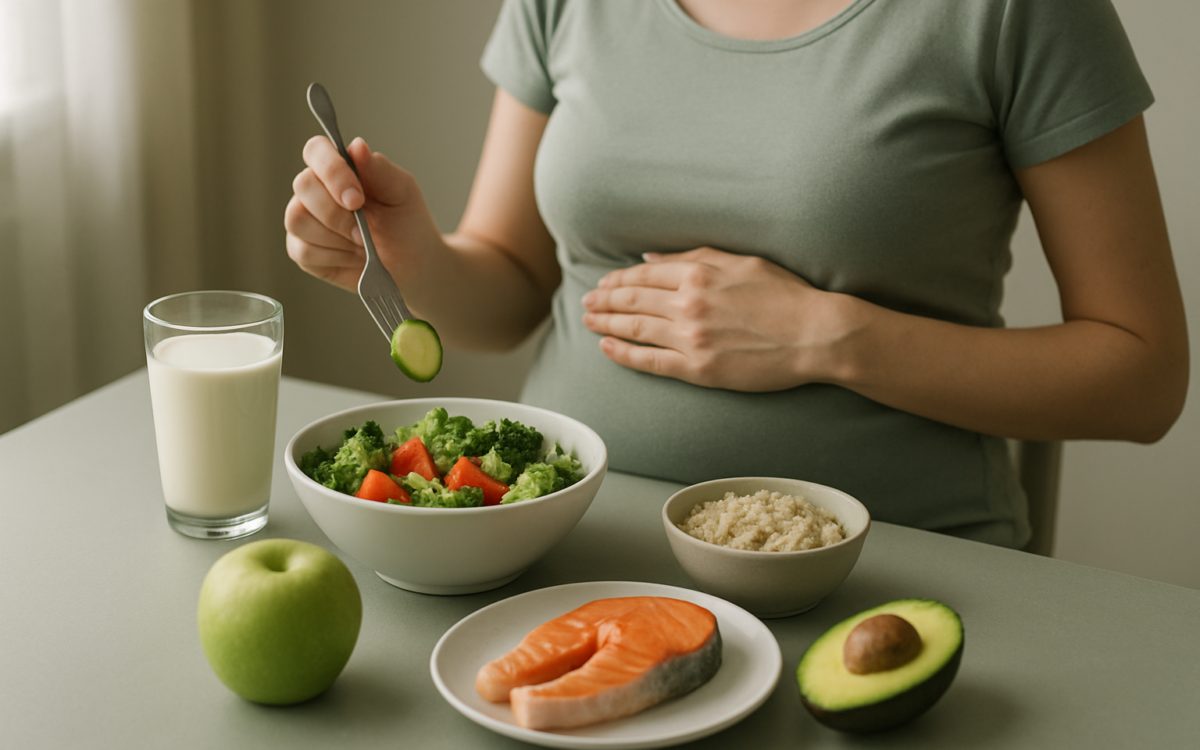
Pregnancy is an exciting and transformative time in a woman’s life, but it can also be filled with questions and concerns. One of the most significant aspects to think about is nutrition. The foods you eat not only support your health but are also vital for your growing baby’s development. In this guide, we’ll explore pregnancy health foods that can help create a balanced diet to support both you and your baby.
Why Nutrition Matters in Pregnancy
Eating a well-rounded diet during pregnancy is crucial. This is a time when your body needs additional nutrients to support the baby’s growth and development. Your diet influences both your health and that of your unborn child. Deficiencies in key vitamins and minerals can lead to complications, whereas a nutrient-rich diet can promote a healthy pregnancy. Pregnant women require increased amounts of certain nutrients, including folate, iron, calcium, and omega-3 fatty acids. (Source: NIH)
Key Nutrients for Pregnancy
Let’s take a closer look at some essential nutrients you should focus on during pregnancy:
- Folate: This B-vitamin is critical for preventing neural tube defects. Foods rich in folate include leafy greens, beans, citrus fruits, and fortified cereals.
- Iron: Iron supports the development of the placenta and fetus and helps prevent anemia. Sources include lean meats, seafood, beans, and spinach.
- Calcium: As your baby’s bones form, calcium is vital. Dairy products, fortified plant milks, and leafy greens are good sources.
- Omega-3 Fatty Acids: Important for brain development, these can be found in fatty fish, walnuts, and flaxseeds.
Essential Food Groups for Pregnant Women
Certain food groups can provide the necessary nutrients to support your pregnancy. Here’s a breakdown:
Fruits and Vegetables
A colorful variety of fruits and vegetables can supply essential vitamins and minerals. Think berries, oranges, bananas, carrots, broccoli, and sweet potatoes. These foods are also high in fiber, which helps with digestion and can reduce the risk of constipation, a common issue during pregnancy.
Whole Grains
Whole grains, like brown rice, quinoa, and whole wheat bread, are great sources of energy and nutrients, including B-vitamins and fiber. They help maintain steady blood sugar levels, which is essential during pregnancy.
Lean Proteins
Protein is fundamental for the growth of tissues, including your baby’s brain. Lean meats, poultry, fish, eggs, beans, and nuts are excellent sources. When choosing fish, opt for low-mercury options like salmon or sardines.
Dairy and Dairy Alternatives
Calcium is paramount during pregnancy. Yogurt, cheese, and fortified plant-based milks are good choices. They also provide additional vitamins like vitamin D, which supports bone health.
Healthy Fats
Healthy fats are essential in your pregnancy diet as they support fetal brain development. Avocado, nuts, seeds, and olive oil can provide the right type of fats. Including these foods in moderation is key to a balanced diet.
International Perspectives on Pregnancy Nutrition
Nutrition guidelines can vary around the world based on culture, available resources, and dietary habits. For instance, in some cultures, a focus on fermented foods can provide beneficial probiotics for digestive health. If you’re considering international treatments or have specific dietary needs, resources like Acibadem International can offer insights into nutrition tailored to various cultural backgrounds.
Are There Any Foods to Avoid?
While there are many foods to embrace, some should be limited or avoided during pregnancy:
- Raw or undercooked seafood or eggs: Risks of foodborne illness increase with these foods.
- Certain fish: High-mercury fish like shark, swordfish, and king mackerel can harm fetal development.
- Caffeine: Limiting caffeine intake can reduce the risk of complications.
- Unpasteurized products: Avoid unpasteurized dairy or juices to prevent infections.
Supplements: A Helping Hand
Even with a balanced diet, some women may need supplements to ensure they are getting enough essential nutrients. Prenatal vitamins containing folic acid, iron, and DHA (a type of omega-3 fatty acid) can be highly beneficial. Discuss with your healthcare provider which supplements might be right for you.
When to See a Doctor
If you have concerns about your diet or nutrition during pregnancy, it’s important to consult your healthcare provider. They can provide personalized recommendations based on your health conditions, lifestyle, and specific dietary needs. Regular prenatal visits are essential for monitoring both your health and your baby’s development. If you experience any unusual symptoms, such as severe nausea or inability to eat, reach out to your healthcare provider promptly.
In summary, focusing on a balanced diet rich in essential nutrients is vital for a healthy pregnancy. By incorporating a variety of food groups and being mindful of your nutritional intake, you can support both your well-being and that of your growing baby.
