
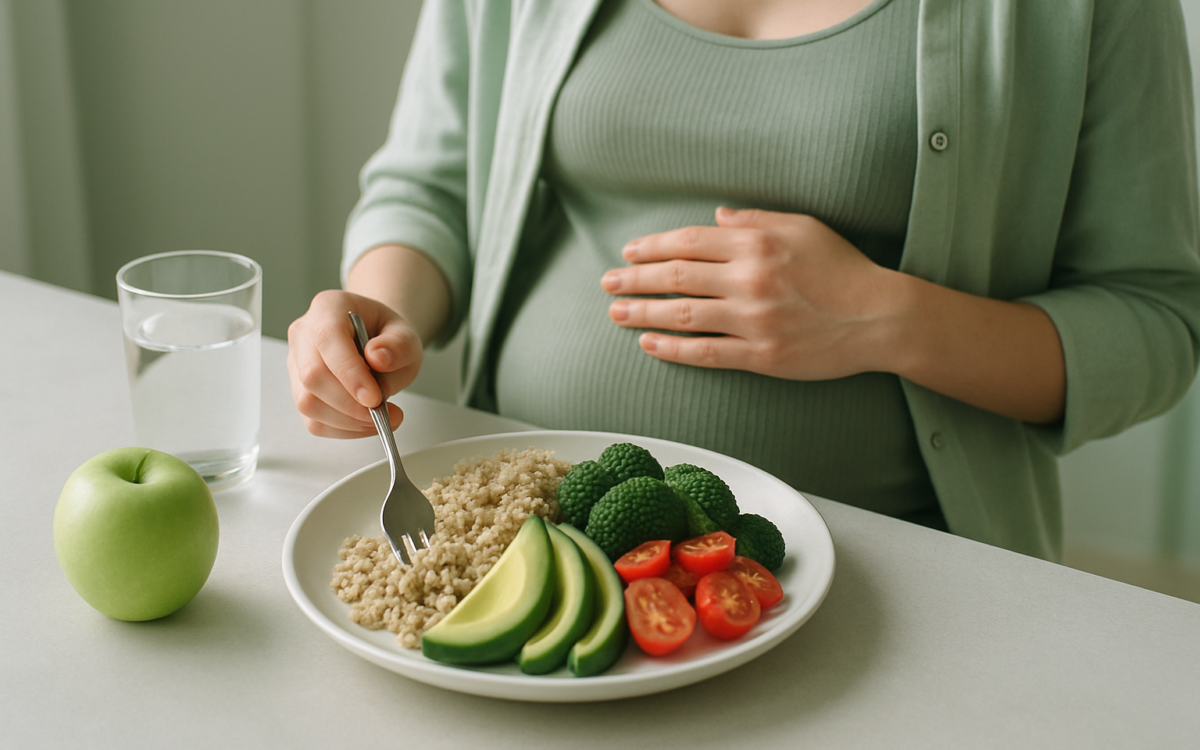
Pregnancy is a time of incredible change, both physically and emotionally. Expectant mothers often have questions about how to provide the best environment for their developing baby. One of the most important aspects of a healthy pregnancy is nutrition. What you eat during these months can significantly affect both your health and your baby’s development. This article explores the best dietary choices for a healthy pregnancy, offering practical tips and meal ideas.
Understanding Nutritional Needs
During pregnancy, your body requires more nutrients than usual. These include:
- Folic Acid: Crucial for preventing neural tube defects, folic acid should be consumed in abundance. Aim for 600-800 micrograms daily from foods like leafy greens, beans, and fortified cereals.
- Iron: Increases in blood volume mean you need more iron. Aim for about 27 milligrams daily. Good sources include lean meats, beans, and spinach.
- Calcium: Essential for building your baby’s bones and teeth. Pregnant women should consume about 1,000 milligrams daily from dairy products, fortified plant milks, and leafy greens.
The Role of Healthy Fats
Not all fats are created equal, and during pregnancy, certain fats are especially beneficial. Omega-3 fatty acids, found in fatty fish like salmon and walnuts, are essential for brain development. Incorporating healthy fats into your diet can support your baby’s growth.
Avoid trans fats and limit saturated fats, which are often found in processed foods. Instead, focus on sources of unsaturated fats such as avocados, nuts, and olive oil.
Practical Meal Ideas
When planning your meals, aim for a variety of colorful fruits and vegetables, whole grains, and lean proteins. Here are some simple meal ideas:
- Breakfast: Oatmeal topped with fresh berries and a dollop of yogurt.
- Lunch: A spinach salad with chickpeas, avocado, nuts, and a lemon vinaigrette.
- Dinner: Baked salmon with quinoa and steamed broccoli.
- Snacks: Hummus with carrot sticks, or a small handful of almonds.
Hydration Matters
Staying well-hydrated is essential for a healthy pregnancy. Aim for at least 8-10 cups of fluids daily, primarily from water. Herbal teas and broth can also contribute to your intake. Avoid sugary beverages and limit caffeine consumption, as high amounts may not be safe during pregnancy.
Seeking International Expertise
For some expecting mothers, considering specialized diet planning or treatments can add an extra level of assurance. If you’re contemplating international options for health and prenatal care, exploring treatment in Turkey could be a viable choice. Many facilities abroad provide tailored prenatal care and nutritional counseling that caters to diverse needs.
Foods to Avoid
While focusing on the positives, it’s also crucial to know what to avoid during pregnancy. Here’s a quick list of foods to steer clear from:
- Raw or undercooked fish, meat, and eggs
- Unpasteurized dairy products
- Certain fish high in mercury (like shark and king mackerel)
- Processed junk food
Listening to Your Body
Every pregnancy is unique, and different women may experience varying cravings and aversions. It’s important to listen to your body. If you find yourself craving certain foods or struggling to eat well, consult with your healthcare provider. They can help tailor your diet to meet your individual nutritional needs while considering any medical conditions.
When to See a Doctor
If you have concerns about your diet during pregnancy, such as severe nausea, lack of appetite, or any other unusual symptoms, don’t hesitate to speak with your doctor. They can provide guidance and resources to ensure you and your baby are getting the essential nutrients needed for a healthy pregnancy.
In conclusion, a healthy pregnancy diet focuses on a balance of nutrients that support both mother and baby. By prioritizing whole foods, healthy fats, and hydration, you can pave the way for a smoother pregnancy journey. Remember to consult with your healthcare provider for any personalized advice tailored to your specific situation.
