
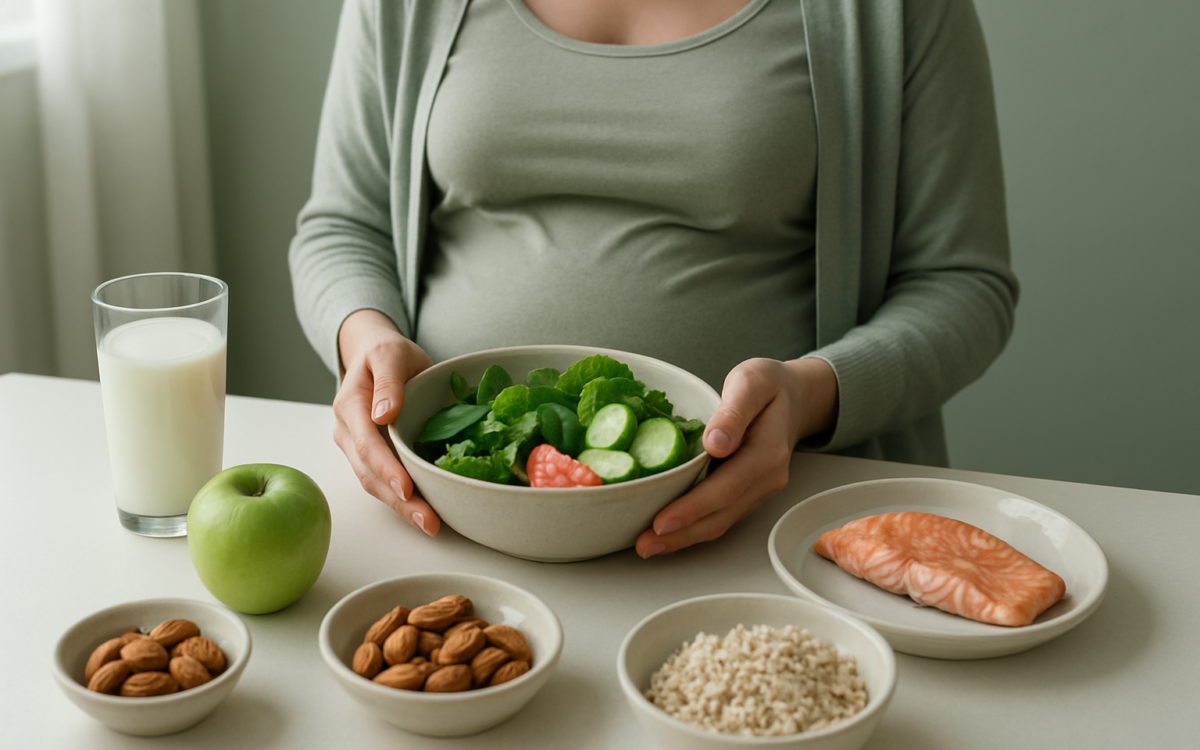
Pregnancy is a beautiful journey, but it can also feel overwhelming, especially when it comes to nutrition. You might wonder, “What can I eat during pregnancy?” The right food choices can have a significant impact on your health and your baby’s development. This guide will help you navigate the foods that support a healthy pregnancy.
Understanding Your Nutritional Needs
During pregnancy, your body goes through numerous changes, and your nutritional needs increase. You are not just eating for yourself but also for your growing baby. Key nutrients to focus on include:
- Folic Acid: Essential for fetal development, especially during the first trimester.
- Iron: Supports increased blood volume and oxygen delivery.
- Calcium: Vital for developing strong bones and teeth.
- Protein: Important for the growth of tissues.
- Omega-3 Fatty Acids: Contributes to brain development.
Getting these nutrients through food is the best option. Always talk to your doctor about any supplements you might need.
Fruits and Vegetables: The Colorful Powerhouses
Fruits and vegetables are packed with vitamins, minerals, and fiber, all essential during pregnancy. Aim for a variety of colors on your plate! Here are some pregnancy-friendly options:
- Leafy Greens: Spinach and kale are rich in folate and iron.
- Berries: Blueberries, strawberries, and raspberries are high in antioxidants.
- Bananas: A great source of potassium, which helps maintain fluid balance.
- Citrus Fruits: Oranges and lemons provide vitamin C, supporting your immune system.
Make it a goal to fill half your plate with fruits and vegetables at every meal. Snack on cut veggies with hummus or fruit with yogurt for a quick boost of energy.
Whole Grains: Fueling Your Energy Needs
Whole grains are an excellent source of carbohydrates, which provide the energy you need as your body works to support your baby’s growth. Look for:
- Brown Rice: A versatile base for many dishes.
- Whole Wheat Bread: Opt for whole grain options for sandwiches and toast.
- Quinoa: A protein-rich grain that contains all nine essential amino acids.
- Oats: Perfect for breakfast, offering fiber and other nutrients.
Try to replace refined grains with whole grains to optimize your nutrient intake.
Proteins: Building Blocks for Your Baby
Protein is crucial during pregnancy as it helps build baby’s tissues and supports your increased blood volume. Incorporate a variety of protein sources into your diet:
- Lean Meats: Chicken, turkey, and lean cuts of beef provide iron and zinc.
- Fish: Aim for low-mercury fish such as salmon and trout, which are rich in omega-3 fatty acids.
- Legumes: Beans, lentils, and chickpeas are excellent sources of plant-based protein and fiber.
- Dairy: Milk, yogurt, and cheese supply calcium and protein.
Be cautious of certain fish high in mercury, like shark and swordfish, as they can harm your baby’s development.
Hydration: The Often Overlooked Essential
Staying hydrated is vital during pregnancy, as your body is working hard to develop your baby. Water aids digestion, nutrient absorption, and prevents fatigue.
- Water: Aim for at least 8-10 cups per day.
- Herbal Teas: Opt for caffeine-free varieties that can also soothe nausea.
- Electrolyte Drinks: These can be helpful if you experience dehydration, but check sugar content.
An easy tip is to carry a reusable water bottle with you to encourage regular drinking throughout the day.
Foods to Limit or Avoid
While it’s important to know what to eat, it’s equally crucial to understand what to limit or avoid. Some foods can pose risks to you and your baby:
- Raw or Undercooked Seafood, Eggs, and Meat: These can carry harmful bacteria.
- Caffeine: Limit to about 200 mg per day, which is roughly one 12-ounce cup of coffee.
- Alcohol: No amount of alcohol has been proven safe during pregnancy.
- High-Sugar and Processed Foods: Can lead to excessive weight gain and gestational diabetes.
Be sure to consult your healthcare provider regarding any specific dietary restrictions you should follow.
When to See a Doctor
If you have concerns about your diet or experience severe nausea, vomiting, or any unusual symptoms during your pregnancy, consult your healthcare provider. They can provide personalized advice tailored to your specific needs.
Ultimately, nourishing your body with a balanced, varied diet is essential for both you and your baby during pregnancy. Eating well can help you feel your best, support healthy growth for your little one, and contribute to a happier and healthier pregnancy experience.
For more information about nutrition during pregnancy, check out reliable resources like the NIH and CDC.
