
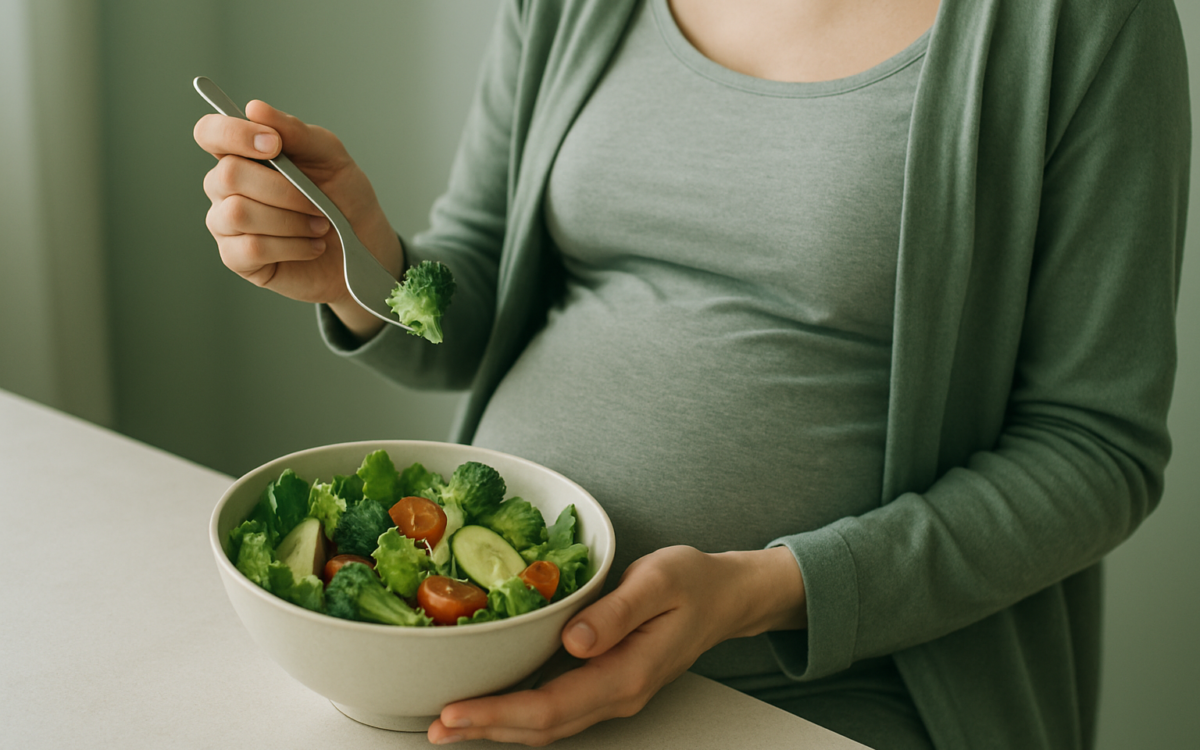
Pregnancy is an incredible journey filled with excitement and anticipation. As a pregnant woman, taking care of your health is one of the best ways to support both yourself and your developing baby. What you eat can have a significant impact on your pregnancy, so focusing on a balanced, nutritious diet is essential. This guide offers insights into healthy eating during pregnancy, helping you make informed decisions while enjoying this special time.
Why Nutrition Matters During Pregnancy
Good nutrition provides the building blocks your baby needs for healthy growth and development. Proper nourishment can also help reduce risks associated with pregnancy, such as gestational diabetes and preeclampsia. A well-rounded diet supports not just physical health, but also emotional well-being, making it easier to cope with the ups and downs of pregnancy.
Essential Nutrients for Expecting Mothers
Knowing which nutrients are critical can help pregnant women make the best food choices. Here are some vital nutrients:
- Folic Acid: This B-vitamin is crucial for brain and spinal cord development. It can help prevent serious birth defects. You can find it in leafy greens, beans, and fortified cereals.
- Iron: Pregnant women need more iron to support the baby’s growth and prevent anemia. Include sources like lean meat, spinach, and legumes in your diet.
- Calcium: This mineral helps build your baby’s bones and teeth. Good sources include dairy products, tofu, and fortified almond milk.
- Omega-3 Fatty Acids: These healthy fats support brain development. You can find them in salmon, walnuts, and flaxseeds.
- Protein: Essential for tissue development, protein should come from various sources like fish, poultry, beans, and nuts.
Building a Balanced Plate
To maintain a healthy eating pattern, it is helpful to build meals around a balanced plate model. Consider the following:
- Fruits and Vegetables: Aim for at least five servings per day. They provide essential vitamins, minerals, and fiber.
- Whole Grains: Choose whole grain options like brown rice and whole wheat bread. They are rich in nutrients and help keep you full.
- Lean Proteins: Include a variety of proteins to meet your needs, such as poultry, fish, legumes, and nuts.
- Dairy: Opt for low-fat options to ensure you receive calcium without excess fat.
Sample meals might include oatmeal topped with fresh fruit for breakfast, a hearty salad with grilled chicken for lunch, and a dinner featuring baked salmon with quinoa and steamed broccoli.
Foods to Avoid During Pregnancy
A healthy pregnancy involves not just what to eat but also what to avoid. Here are some items to steer clear of:
- Raw or Undercooked Seafood, Meat, and Eggs: These can harbor harmful bacteria or parasites.
- Certain Fish: Limit consumption of fish high in mercury, such as shark and swordfish, due to potential risks to fetal development.
- Unpasteurized Dairy Products: They can contain listeria, which is dangerous for pregnant women and their babies.
- Caffeine and Alcohol: It’s best to limit caffeine and avoid alcohol, as they can adversely affect your baby’s development.
- Processed Foods: Often high in sugar, sodium, and unhealthy fats, they offer little nutritional value.
When in doubt about a food’s safety, consult your healthcare provider for guidance.
Hydration and Pregnancy
Staying hydrated is vital during pregnancy. Water helps maintain amniotic fluid levels and supports overall health. Aim for at least ten 8-ounce glasses of fluid per day, primarily from water. Incorporate hydrating foods, like fruits and vegetables, into your diet, and consider drinking herbal teas, which can be a soothing alternative.
The Role of Prenatal Vitamins
While a healthy diet is foundational, prenatal vitamins are often recommended to cover any nutritional gaps. These supplements typically contain higher amounts of essential nutrients like folic acid and iron. Always consult your healthcare provider before adding any supplements to ensure they are appropriate for your individual needs. For more guidance, you can refer to the Mayo Clinic’s guide.
Listening to Your Body
Each pregnancy is unique, and your body will guide you in many ways. Pay attention to cravings or aversions and try to find healthy alternatives that satisfy your needs. If you experience nausea, consider smaller, more frequent meals. A well-nourished body leads to a well-nourished baby, so trust yourself and your instincts.
When to See a Doctor
If you have concerns about your diet or if you’re experiencing significant weight changes, excessive nausea, or any food-related allergies, consult your healthcare provider. They can provide personalized advice based on your unique health needs.
In conclusion, creating a balanced, nutritious diet during pregnancy is a powerful way to support both your health and that of your baby. By focusing on essential nutrients, avoiding harmful foods, and listening to your body, you can enjoy this beautiful journey with the confidence that you are providing the best start for your child.
