
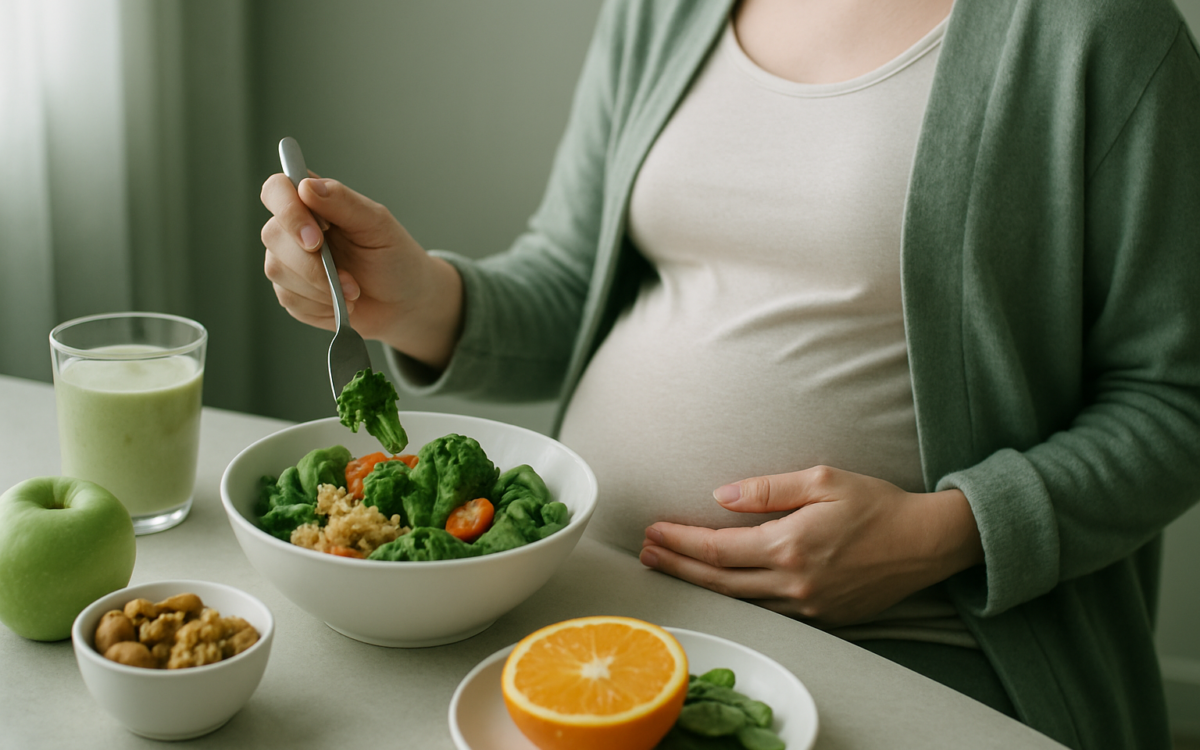
Pregnancy is a beautiful journey filled with anticipation and joy, but it also comes with significant bodily changes and responsibilities. One of the most crucial aspects during this time is nutrition. A balanced diet can help ensure that both the mother and the baby thrive. Here’s a guide to nutritious foods that pregnant mothers should incorporate into their diets.
The Importance of a Balanced Diet
Eating well during pregnancy can have lasting impacts on both maternal health and fetal development. A well-rounded diet helps provide the necessary vitamins and minerals that help support the baby’s growth and the mother’s wellbeing. The need for specific nutrients increases during pregnancy, including folic acid, iron, calcium, omega-3 fatty acids, and protein.
Essential Nutrients and Their Sources
Let’s delve into some of the key nutrients and the foods that are rich in them.
Folic Acid
Folic acid is vital for preventing neural tube defects in the developing baby. It’s recommended that pregnant women consume at least 600 micrograms daily.
- Leafy greens like spinach and kale
- Citrus fruits such as oranges and grapefruits
- Beans and lentils
- Fortified cereals
Iron
Iron helps in building the extra blood that you need during pregnancy. Women should aim for 27 milligrams of iron each day.
- Lean meats like turkey and chicken
- Beans and legumes
- Dark chocolate; surprisingly, a tasty source!
- Spinach and iron-fortified cereals
Calcium
Calcium is crucial for the development of the baby’s bones and teeth. Pregnant women should consume about 1,000 milligrams of calcium daily.
- Dairy products like milk, cheese, and yogurt
- Non-dairy sources such as almonds, tofu, and green leafy vegetables
- Fortified plant-based milks
Omega-3 Fatty Acids
These healthy fats are essential for brain development. Pregnant women should include at least 200-300 milligrams of DHA (a type of omega-3) per day.
- Fatty fish like salmon and sardines
- Chia seeds and flaxseeds
- Walnuts
Protein
Protein is vital for the growth of tissues, including the placenta and the baby. Pregnant women should aim for 71 grams of protein daily.
- Lean meats and poultry
- Fish and eggs
- Nuts and seeds
- Legumes such as beans and lentils
Healthy Snacks for Pregnant Moms
It’s common for pregnant women to experience cravings or food aversions. Healthy snacks can provide essential nutrients while satisfying those cravings.
- Greek yogurt with honey and fruit
- Veggies and hummus
- Whole grain toast with peanut butter
- Trail mix with nuts and dried fruit
Hydration Matters
Staying hydrated is essential for good health during pregnancy. Water helps support digestion, form amniotic fluid, and maintain healthy blood circulation.
Try to drink at least 8-10 cups (64-80 ounces) of fluids each day. Including water-rich foods can also help.
- Watermelon and cucumbers
- Soup and smoothies
- Herbal teas (caffeine-free)
Foods to Avoid
While focusing on nutritious foods, it’s also important to be aware of what to avoid during pregnancy:
- Raw fish and meats to reduce the risk of foodborne illness
- Unpasteurized dairy products
- Certain types of fish high in mercury, such as shark and swordfish
When in doubt about food choices, consulting healthcare providers is the best course of action. For guidelines, you can check out resources like the CDC or WHO.
When to See a Doctor
If you’re a pregnant mother, there are times when you should reach out to a healthcare provider. Consider contacting them if you experience any of the following:
- Severe nausea or vomiting
- Sudden fatigue or weakness
- Signs of dehydration
- Any unusual symptoms or concerns about your diet
Conclusion
Nourishing your body with nutritious foods is vital during pregnancy, not just for your health but also for the development of your baby. By focusing on a balanced diet that includes a variety of essential nutrients, you can help pave the way for a healthy pregnancy. As always, consult your healthcare provider before making significant dietary changes to ensure the best outcomes for you and your little one.
