
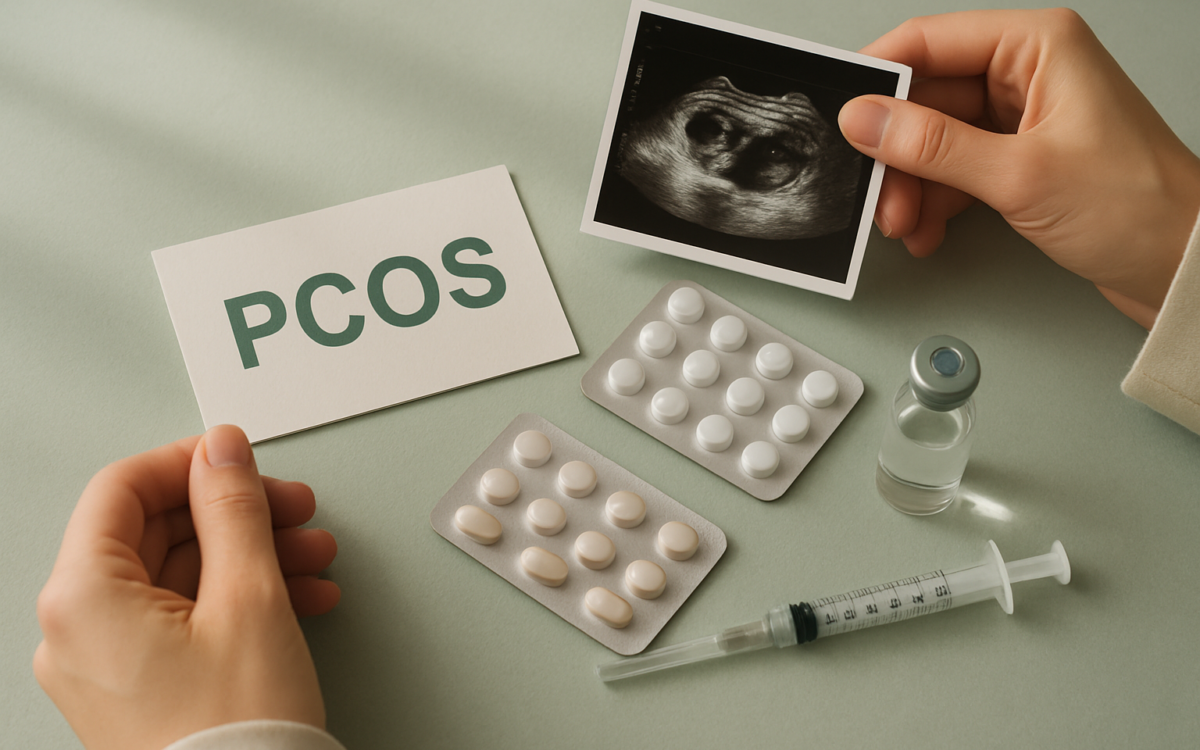
Polycystic Ovary Syndrome, or PCOS, is a common hormonal disorder affecting many women of reproductive age. It can cause a variety of symptoms, including irregular menstrual cycles, weight gain, and, for many, fertility challenges. If you’re navigating the complex world of conception while managing PCOS, understanding the role of fertility drugs can be crucial.
Understanding PCOS
PCOS is characterized by hormonal imbalances and can lead to multiple small cysts on the ovaries. These cysts can disrupt ovulation, making it harder for women with PCOS to conceive. According to the National Institutes of Health (NIH), the condition affects about one in ten women of childbearing age. In addition to infertility, symptoms may include excess hair growth, acne, and difficulty in losing weight.
How PCOS Affects Fertility
Women with PCOS often struggle with irregular or absent ovulation, which means there can be fewer opportunities for fertilization. High levels of androgens (male hormones) can further complicate matters, disrupting the normal hormonal signals necessary for ovulation. For those trying to conceive, recognizing these challenges is the first step toward finding effective treatments.
Fertility Drugs Overview
Fertility medications can be a powerful ally for women with PCOS. These drugs aim to restore normal ovulation and enhance the chances of conception. The most commonly prescribed fertility drugs include:
- Clomiphene citrate (Clomid): This is often the first line of treatment. It works by stimulating the ovaries to release eggs.
- Letrozole (Femara): Originally developed for breast cancer treatment, Letrozole can help induce ovulation.
- Gonadotropins: These injectable hormones directly stimulate the ovaries to produce eggs.
How Fertility Drugs Work for PCOS
The goal of fertility drugs is to balance hormones and stimulate the ovaries. Clomiphene citrate, for instance, blocks estrogen receptors in the brain, tricking the body into thinking estrogen levels are low. This prompts the pituitary gland to release more follicle-stimulating hormone (FSH), leading to the development of more than one ovarian follicle. Letrozole takes a different route by lowering estrogen levels slightly, encouraging the ovaries to produce eggs.
For those who do not respond to these oral medications, gonadotropins may be recommended. They include FSH and luteinizing hormone (LH), which can help directly stimulate the ovaries to produce multiple eggs, increasing the chances of conception.
Success Rates and Considerations
Studies have shown that fertility drugs can significantly increase the chances of conception for women with PCOS. According to the Mayo Clinic, about 80% of women with PCOS who take Clomid can ovulate, and about 40% of those will achieve pregnancy within six months of treatment.
However, it’s important to discuss with your doctor the potential side effects of these medications. Clomiphene can cause mood swings, hot flashes, and in rare cases, ovarian hyperstimulation syndrome (OHSS), a serious condition that can occur when the ovaries respond too aggressively to stimulation. Careful monitoring is crucial when using gonadotropins due to their higher risk of multiple pregnancies.
Combining Treatments for Better Outcomes
In some cases, combining fertility drugs with other treatments can yield better results. For instance, lifestyle modifications like achieving a healthy weight can significantly improve the effectiveness of fertility drugs. Losing even a small percentage of body weight can help in restoring regular ovulation. In addition, insulin-sensitizing medications such as metformin may be prescribed, particularly if insulin resistance is a contributing factor to your fertility challenges.
Some studies suggest that a combination of Clomid and metformin can lead to improved ovulation rates and pregnancy success among women with PCOS.
Emotional Support and Resources
Dealing with infertility can be an emotional rollercoaster, especially when PCOS is involved. It’s vital to seek support during this journey, whether through counseling, support groups, or online communities. Connecting with others who understand your experience can be comforting and empowering. Many organizations offer resources tailored specifically for women with PCOS, helping you find the right balance of medical and emotional support.
When to See a Doctor
If you suspect you have PCOS or are struggling with fertility, it’s important to consult a healthcare provider. Early diagnosis and treatment can improve your chances of successful conception and help manage symptoms. Your doctor will likely perform a thorough evaluation, including hormone testing and possibly an ultrasound, to understand your condition better before recommending a personalized treatment plan.
Conclusion
PCOS can present unique challenges when it comes to fertility. However, with the right fertility drugs and strategies, many women with PCOS can achieve their dream of becoming mothers. Don’t hesitate to reach out to a healthcare provider to explore your options and get the support you need.
