
Having a radiant smile can boost your confidence and enhance your appearance. If you’re considering teeth whitening, you’re not alone. Many individuals seek ways to brighten their smiles, leading to a plethora of whitening products and methods on the market. In this article, we’ll explore the best teeth whitener options available, their effectiveness, and considerations for safe use.
The Science Behind Teeth Whitening
Understanding how teeth whitening works can help you choose the best method. Teeth may become discolored due to various factors, including aging, consumption of certain foods and beverages (like coffee or red wine), or smoking. Whitening techniques generally use either bleaching agents, such as hydrogen peroxide or carbamide peroxide, or non-bleaching agents that help to remove stains without changing the color of the teeth.
Professional Teeth Whitening
For those seeking quick results, professional teeth whitening options tend to be the most effective. Performed under the supervision of a dentist, these treatments utilize stronger bleaching agents compared to over-the-counter products, delivering faster and more noticeable results.
In-Office Treatments
In-office whitening is a popular choice that often involves the application of a high-concentration bleaching gel to the teeth. A special light or laser may be used to enhance the whitening effect. Many patients experience significant brightness after just one session. According to the Mayo Clinic, results from professional treatments can last for several months to years, depending on oral habits.
Take-Home Kits
Your dentist may provide take-home whitening kits that contain custom-fitted trays and professional-strength whitening gel. These kits are designed for use at home and generally yield good results over a few weeks of consistent use.
Over-the-Counter Whitening Products
If professional treatments are out of your budget, numerous over-the-counter (OTC) options can also effectively whiten teeth. Here are some popular types:
Whitening Toothpastes
Whitening toothpastes contain mild abrasives and chemical agents that help remove surface stains. While they may not provide dramatic results, they can be a great addition to your oral care routine. The National Institutes of Health notes that consistent use of whitening toothpaste can brighten teeth gradually.
Whitening Strips
Whitening strips are thin, flexible plastic strips coated with a whitening gel. These are typically worn for 30 minutes a day for a period of one to two weeks. They are well-received for their ease of use and ability to deliver visible results. Many consumers report satisfaction with their use due to their low cost and effectiveness.
Gel Pens and Rinses
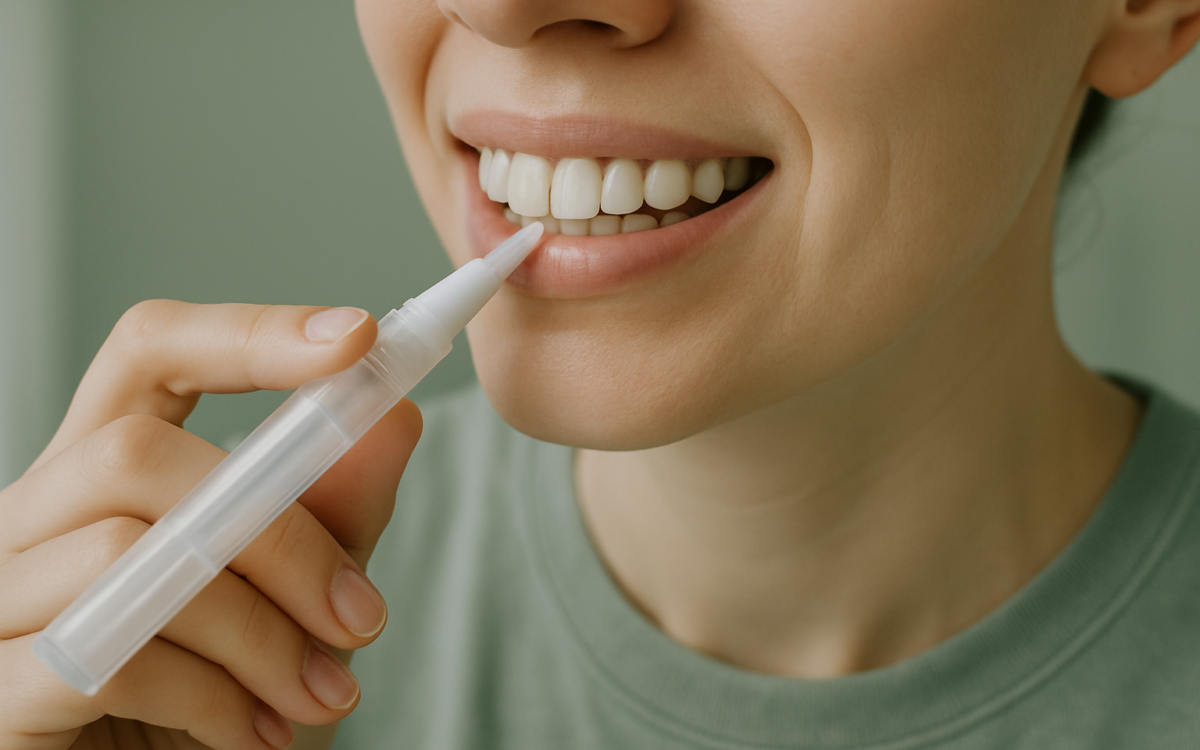
Whitening gel pens are easy to carry around and can be applied directly to your teeth. Rinses with whitening properties may also help maintain a brighter smile. Although their efficacy may vary, incorporating them into your dental care routine can assist in stain removal.
Home Remedies for Teeth Whitening
For those interested in natural methods, several home remedies may provide some whitening benefits. However, it’s essential to approach these with caution, as not all are thoroughly researched. Here are a few popular options:
Baking Soda
Baking soda is known for its mild abrasive qualities and can help scrub away surface stains. You can make a paste with baking soda and water and use it as a substitute for toothpaste a few times a week. As with any whitening product, moderation is key, as overuse can lead to enamel erosion.
Hydrogen Peroxide
Hydrogen peroxide is a known bleaching agent and is often used in professional whitening products. Diluting hydrogen peroxide with water and using it as a mouthwash may help whiten teeth. However, it’s crucial to avoid excessive exposure to prevent gum irritation.
Activated Charcoal
Some people use activated charcoal as a teeth whitening agent, claiming it absorbs stains. However, research on its effectiveness is limited. Use it sparingly, as its gritty texture could potentially harm enamel if used too often.
Considerations When Choosing a Teeth Whitener
While many whitening methods are available, it’s essential to consider your dental health and preferences before choosing a product:
- Consult Your Dentist: Before starting any whitening treatment, consult your dentist. They can provide advice tailored to your specific dental health needs.
- Sensitivity: Some individuals experience tooth sensitivity or gum irritation following whitening treatments. If you’re prone to sensitivity, look for products specifically designed for sensitive teeth.
- Diet Impact: Maintaining a white smile involves more than just using whitening products. Reduce consumption of stain-causing foods and drinks, and practice good oral hygiene.
When to See a Doctor
If you experience persistent sensitivity, pain, or discomfort after using a whitening product, it’s essential to consult a dentist. They can assess your situation and recommend appropriate alternatives or treatments.
In summary, achieving a brighter smile can boost your confidence and enhance your overall appearance. Whether you opt for professional treatments, over-the-counter products, or natural remedies, it’s vital to find a teeth whitening method that is safe and effective for you. Always consult your dentist before starting any new dental treatment to ensure that you choose the best option for your oral health.
