
Cataracts are a common eye condition affecting millions of people, especially as they age. This eye disorder causes the lens of the eye to become cloudy, impacting the way you see. Unfortunately, cataracts can progress slowly, leading to blurred vision or even blindness in severe cases. Recognizing the signs early is crucial for maintaining your quality of life. But how do you know if you have cataracts?
What Are Cataracts?
Cataracts occur when the proteins in the eye’s lens clump together, forming cloudy areas that obstruct vision. This condition is often age-related, but other factors such as injury, certain medications, and health conditions can also contribute to its development. Cataracts are not uncommon; in fact, the National Eye Institute estimates that by age 80, more than half of Americans will have cataracts or have undergone cataract surgery (NIH).
Common Symptoms of Cataracts
Identifying cataracts involves being aware of the symptoms associated with this condition. Here are some typical signs to look out for:
- Blurry or Cloudy Vision: This is usually the first noticeable symptom. You may find your vision becomes increasingly blurry, resembling looking through a fogged-up window.
- Difficulty with Night Vision: You may struggle more when driving at night due to increased glare from headlights and streetlights.
- Fading or Yellowing Colors: Colors may seem less vibrant, and white objects may appear yellowed.
- Frequent Changes in Prescription: If you find yourself needing new glasses or contact lenses more often than usual, it could be due to developing cataracts.
- Double Vision: In some cases, you might experience double vision in one eye.
Risk Factors for Developing Cataracts
Understanding the risk factors associated with cataracts can help you be more vigilant about your eye health. Some common risk factors include:
- Aging: Age is the most significant risk factor for cataracts.
- Diabetes: Chronic high blood sugar can lead to cataracts.
- Exposure to UV rays: Sun exposure can accelerate cataract formation. Always wear UV-blocking sunglasses when outdoors.
- Tobacco Smoke: Smoking has been linked to higher rates of cataract development.
- Certain Medications: Long-term use of corticosteroids can increase your risk.
How Are Cataracts Diagnosed?
If you suspect that you have cataracts, it’s important to see an eye care professional. During a comprehensive eye examination, the eye doctor will perform several tests, including:
- Visual Acuity Test: You will read letters from a distance to evaluate how well you can see.
- Pupillary Reaction Test: This checks how your pupils react to light.
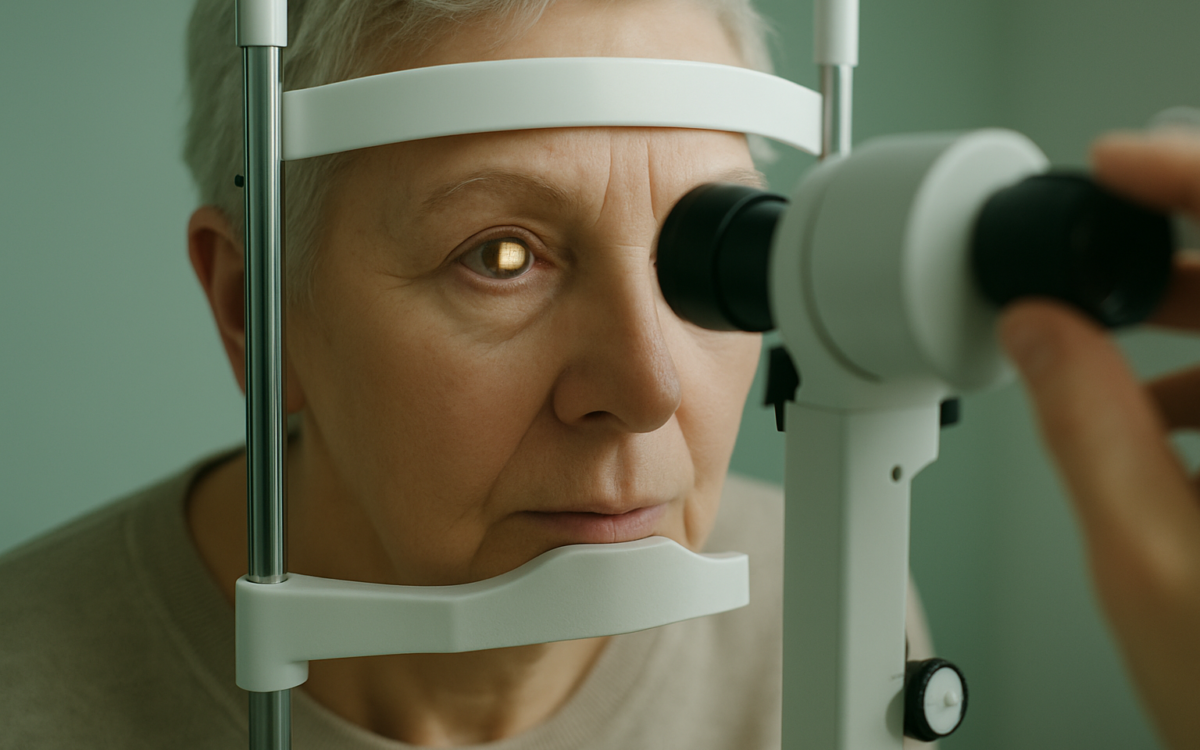
- Slit-Lamp Examination: This procedure allows the doctor to see the structure of your eye and identify any clouding in the lens.
- Retinal Exam: The doctor will use drops to dilate your pupils, enabling them to inspect the back of your eye.
Potential Treatment Options
While early-stage cataracts might not require immediate treatment, they should be monitored regularly. If cataracts are impacting your daily life, your doctor may recommend treatment options such as:
- Prescription Glasses: Changing your glasses can improve vision in the initial stages.
- Cataract Surgery: This is a common and generally safe outpatient procedure to remove the cloudy lens and replace it with an artificial lens. Many people enjoy improved vision after surgery.
- International Options: If you’re considering cataract surgery and want to explore various options, you might look into facilities in other countries. For example, treatment in Turkey is becoming popular due to its advanced medical facilities and experienced surgeons.
When to See a Doctor
If you notice any of the symptoms outlined above or if your vision starts to deteriorate, it’s important to consult a healthcare professional. Early detection and treatment are key to maintaining good vision and quality of life. Regular eye exams become increasingly important as you age, especially if you have risk factors for cataracts.
Conclusion
Identifying the signs and symptoms of cataracts early can make a significant difference in your eye health. Staying aware of changes in vision and consulting a healthcare professional when needed will help you manage this condition effectively. Remember, preserving your vision is vital for your overall well-being.
