
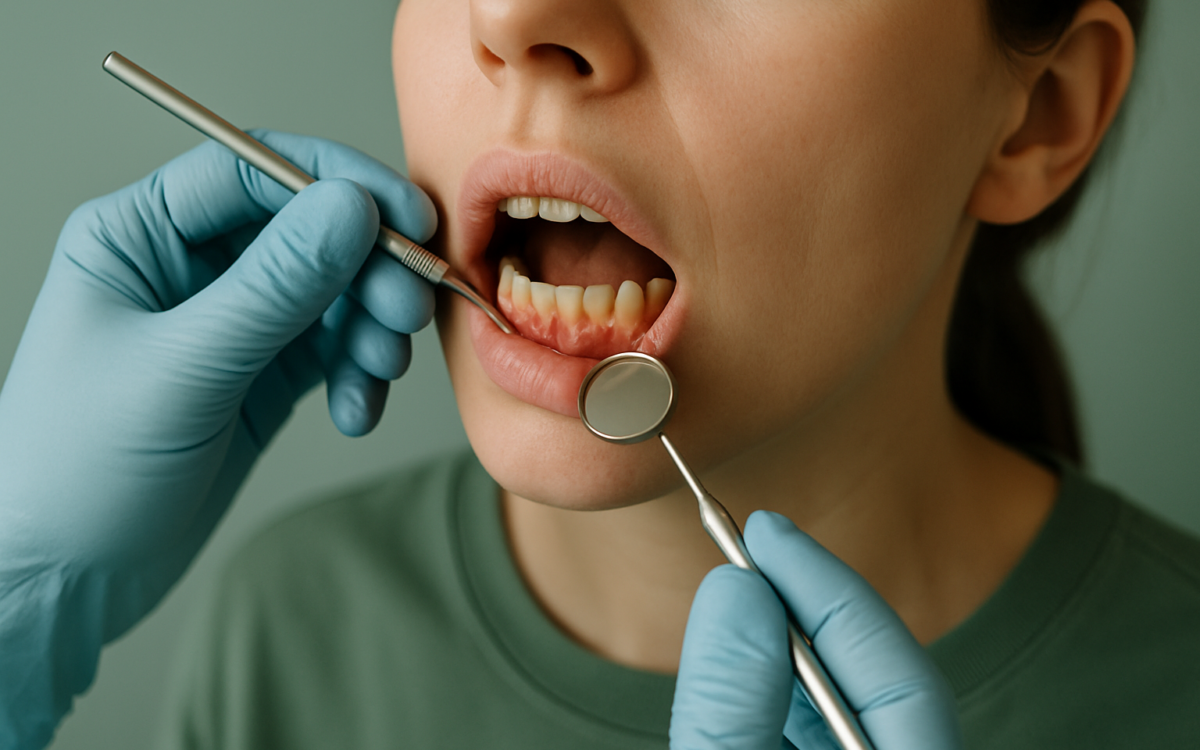
If you’ve noticed changes in your oral health lately, you might be wondering if it’s serious. Gum disease, a common but often overlooked condition, can lead to significant oral health issues if not addressed early. Fortunately, recognizing the signs and symptoms of gum disease can help you catch it before it becomes a serious problem.
What is Gum Disease?
Gum disease, also known as periodontal disease, occurs when the tissues surrounding your teeth become inflamed or infected. This condition typically starts with gingivitis, a mild form of gum disease that causes irritation and swelling of the gums. If not treated, it can progress to periodontitis, a more severe form that may lead to tooth loss and damage to the jawbone.
Common Signs of Gum Disease
Knowing the signs of gum disease can help you take early action. Here are some common symptoms to watch for:
- Red or Swollen Gums: Healthy gums should be pink and firm. If your gums are red, swollen, or bleeding, it could be a sign of gum disease.
- Bleeding While Brushing or Flossing: If you notice bleeding during your routine brushing or flossing, it may indicate gum disease.
- Persistent Bad Breath: Foul breath that doesn’t go away even with good oral hygiene could point to gum issues.
- Receding Gums: If your gums appear to be pulling away from your teeth, exposing more of your tooth or its roots, this is a concerning sign.
- Loose Teeth: Gum disease can weaken the supporting bone and result in loose teeth.
Understanding the Causes of Gum Disease
Gum disease is primarily caused by poor oral hygiene, which leads to the accumulation of plaque—a sticky film of bacteria—on the teeth. Over time, this plaque can harden into tartar, making it much harder to remove without professional dental care. Other factors that can contribute to the development of gum disease include:
- Smoking or chewing tobacco
- Hormonal changes, such as during puberty, pregnancy, or menopause
- Chronic illnesses like diabetes
- Certain medications that reduce saliva flow
- Aging
- Genetics, which can make some individuals more susceptible to gum disease
How Is Gum Disease Diagnosed?
If you suspect you have gum disease, your dentist will perform an examination. This may include:
- Checking for gum recession
- Measuring the depth of the gum pockets around your teeth
- Assessing your teeth for looseness
- Taking X-rays to check for bone loss
Only a dental professional can accurately assess the state of your gums and confirm a diagnosis of gum disease.
How to Prevent Gum Disease
Preventing gum disease is largely about maintaining good oral hygiene. Here are some effective strategies to keep your gums healthy:
- Brush your teeth at least twice a day using fluoride toothpaste.
- Floss daily to remove plaque from between your teeth where your toothbrush can’t reach.
- Visit your dentist regularly for check-ups and cleanings—usually every six months.
- Avoid tobacco use, which contributes to gum disease.
- Eat a balanced diet rich in vitamins and minerals, particularly vitamin C, which is known to promote gum health.
Link Between Gum Disease and Overall Health
Recent studies have shown that gum disease is not only a problem for your mouth but may also affect your overall health. There is emerging evidence suggesting a connection between gum disease and conditions such as heart disease, diabetes, and respiratory problems. For instance, inflammation from gum disease can enter the bloodstream and potentially contribute to other health issues. Therefore, maintaining good oral health is crucial not just for a healthy smile but for your overall well-being.
When to See a Doctor
If you notice any symptoms of gum disease or have concerns about your oral health, it’s important to consult a dentist as soon as possible. Early diagnosis and treatment can significantly improve your outlook and prevent further complications. Don’t delay; keeping your gums healthy is an essential part of maintaining your overall health.
In conclusion, recognizing the signs of gum disease is the first step toward protecting your teeth and gums. Regular dental check-ups and good oral hygiene practices are key to preventing this common condition. If you experience any concerning symptoms, reach out to your dentist for a thorough evaluation.
