
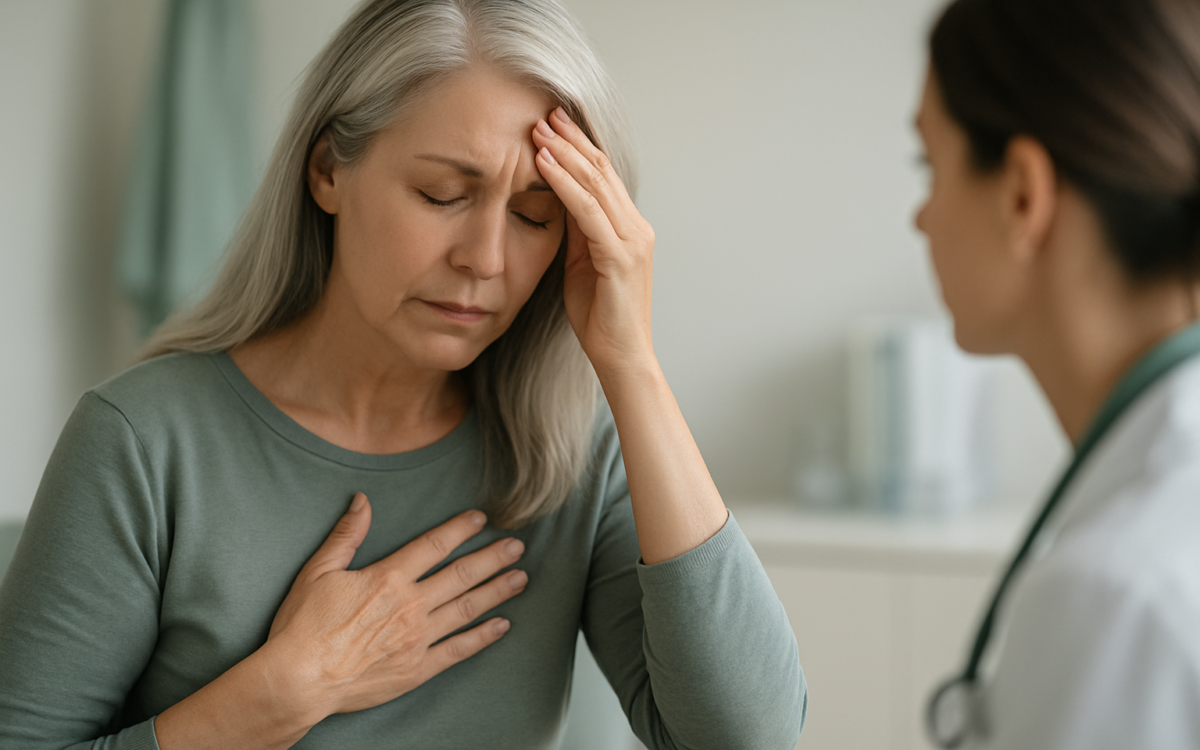
Menopause is a natural part of aging for women, typically occurring between the ages of 45 and 55. It marks the end of menstruation and is often accompanied by various physical and emotional changes. Understanding the signs of menopause can empower women to navigate this transformative phase with knowledge and confidence.
The Phases of Menopause
Menopause is not an abrupt change but rather a gradual process. It is typically divided into three stages:
- Perimenopause: This stage can begin several years before menopause and is characterized by fluctuations in hormone levels. Women may start to notice irregular periods and various symptoms.
- Menopause: A woman is considered to have reached menopause when she has not had a menstrual period for 12 consecutive months.
- Postmenopause: This stage follows menopause and lasts for the rest of a woman’s life. Many menopausal symptoms may ease during this time, but health risks may increase.
Common Physical Signs of Menopause
During the transition into menopause, many women experience a range of physical symptoms:
Irregular Periods
One of the earliest signs of perimenopause is changes in menstrual cycles. Periods may become irregular or vary in flow and duration. Some women may skip periods, while others may experience heavier bleeding.
Hot Flashes and Night Sweats
Hot flashes are sudden feelings of warmth that can cause discomfort. They may be accompanied by sweating, particularly at night, leading to disrupted sleep. According to the National Institutes of Health, nearly 75% of women experience hot flashes during menopause.
Weight Gain
Hormone fluctuations can cause changes in metabolism, and many women find that managing their weight becomes more challenging during this time. Weight gain can also be attributed to changes in lifestyle, activity levels, and dietary habits.
Emotional and Psychological Changes
The hormonal changes that accompany menopause can impact mental and emotional well-being:
Mood Swings
Many women report experiencing mood swings during perimenopause. This can include feelings of irritability, anxiety, or sadness. These emotional changes can be attributed to hormonal fluctuations and life stressors.
Memory Lapses
Some women notice changes in their cognitive abilities, such as forgetfulness or difficulty concentrating. While these memory lapses can be frustrating, they often improve after menopause.
Changes in Sexual Health
Menopause can also affect sexual health and intimacy:
Vaginal Dryness
Decreased estrogen levels can result in vaginal dryness, making intercourse uncomfortable for some women. This can lead to anxiety about sexual activity or changes in sexual desire.
Decreased Libido
Many women experience changes in libido during menopause. Factors contributing to a decrease in sexual desire can include hormonal shifts, emotional changes, and physical discomfort.
Long-Term Health Considerations
Once menopause is complete, women may face increased risks for certain health conditions:
Bone Density Loss
The decline in estrogen during menopause can lead to decreased bone density, elevating the risk of osteoporosis. To counteract this, women are encouraged to engage in weight-bearing exercises and consider a diet rich in calcium and vitamin D.
Heart Health
Postmenopausal women are at a higher risk for cardiovascular diseases. Lifestyle modifications, such as a healthy diet, regular exercise, and routine health screenings, can help mitigate these risks.
When to See a Doctor
It’s important to consult a healthcare provider if you experience severe symptoms or unexpected changes during this time. Signs that you should seek medical advice include:
- Heavy bleeding or periods lasting longer than a week
- Severe hot flashes or night sweats
- Changes in mood that interfere with daily life
- Persistent vaginal dryness or discomfort during intercourse
Regular check-ups can help monitor your health and discuss any concerns related to menopause. Our understanding of menopause continues to evolve, helping to better address the needs of women undergoing this transition.
For more information on menopause, resources from reputable sources like the Mayo Clinic and the World Health Organization can provide valuable insights.
Conclusion
Menopause is a significant life transition that presents various signs and symptoms. By being informed about these changes, women can approach this stage of life with greater understanding and support. Knowledge is empowering, and recognizing the signs of menopause is the first step in navigating this natural process.
