
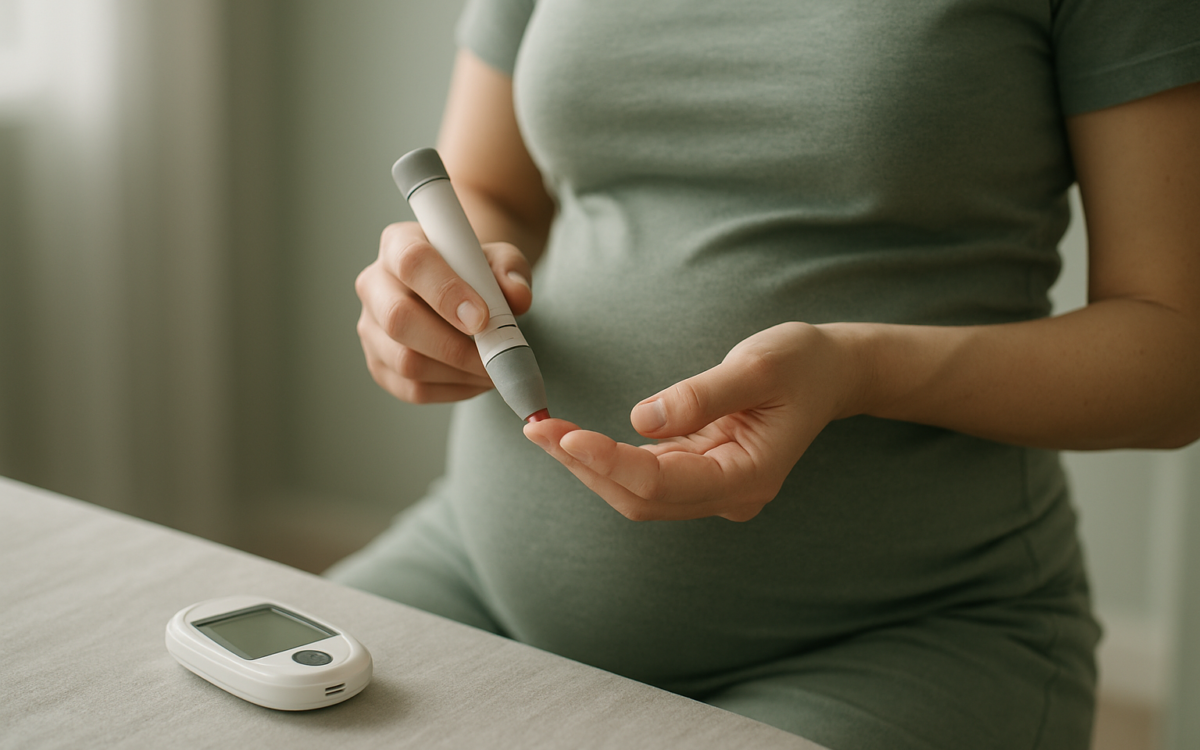
Pregnancy is a beautiful journey, but it can come with its own set of challenges, including gestational diabetes. This condition occurs when your body cannot produce enough insulin to handle the extra glucose generated during pregnancy. It’s essential for expectant mothers to know how to recognize the warning signs of gestational diabetes to ensure they receive prompt care and maintain their health and the health of their baby.
What Is Gestational Diabetes?
Gestational diabetes is a form of diabetes that develops during pregnancy, typically around the 24th week, although it can occur earlier. It usually goes away after childbirth, but it can increase the risk of developing type 2 diabetes later in life. Understanding the symptoms and warning signs can help you to take action quickly.
Common Symptoms to Watch For
Many women with gestational diabetes may not notice any symptoms at all, making routine screening important. However, some women do experience warning signs. Being aware of these symptoms can prompt you to consult your healthcare provider:
- Increased Thirst: Feeling unusually thirsty? This could indicate elevated blood sugar levels.
- Frequent Urination: If you find yourself needing to urinate more often than usual, even if you are not drinking excessively, this could be a sign.
- Tiredness: Feeling unusually fatigued? While tiredness can be a normal part of pregnancy, excessive fatigue may signal an issue.
- Blurred Vision: Changes in vision, especially blurred vision, should not be overlooked as they may be related to high blood sugar levels.
- Dry Mouth and Skin: Persistent dryness in your mouth or skin could also indicate higher glucose levels.
Risk Factors for Gestational Diabetes
Certain women may be at higher risk for developing gestational diabetes. Awareness of these risk factors can help in understanding your likelihood of developing the condition:
- Family History: If diabetes runs in your family, you may be more prone to developing gestational diabetes.
- Weight: Being overweight or having obesity can increase your risk.
- Age: Women over the age of 25 are at a higher risk.
- Previous Pregnancy Issues: If you had gestational diabetes in a previous pregnancy or delivered a large baby (over 9 pounds), your risk increases.
- Ethnicity: Certain ethnic groups, including African-American, Hispanic, Native American, and Asian-American, are more likely to develop gestational diabetes.
Diagnosis and Testing
Most women undergo a routine blood test to check for gestational diabetes between 24 and 28 weeks of pregnancy. This test is called the glucose challenge test (GCT) and typically involves drinking a sugary beverage followed by a blood draw after one hour. If results are elevated, a follow-up test called the oral glucose tolerance test (OGTT) may be necessary.
Screening is critical because many women with gestational diabetes don’t exhibit symptoms. Regular check-ups are essential for monitoring health during pregnancy.
Potential Complications
If not managed properly, gestational diabetes can lead to several complications for both mother and baby:
- Higher Birth Weight: Babies born to mothers with gestational diabetes are often larger than normal, which can complicate delivery.
- Preterm Birth: This condition may increase the risk of early delivery.
- Increased Risk of C-Section: Larger babies may lead to a higher likelihood of requiring a cesarean section.
- Neonatal Health Issues: Babies born to mothers with gestational diabetes may face health challenges, including hypoglycemia (low blood sugar).
Management and Lifestyle Changes
If diagnosed with gestational diabetes, lifestyle modifications can significantly help manage the condition:
- Diet: Following a balanced diet rich in whole grains, lean proteins, fruits, and vegetables can help stabilize blood sugar levels.
- Exercise: Regular physical activity is beneficial. Aim for at least 30 minutes of moderate exercise most days of the week, subject to your healthcare provider’s recommendations.
- Monitoring Blood Sugar: Regular monitoring of blood sugar levels may be required to keep track of how food and activity affect your glucose levels.
- Medications: In some cases, insulin or other medications may be necessary to manage blood sugar levels effectively.
When to See a Doctor
If you experience any of the warning signs mentioned above or have concerns about gestational diabetes, it’s crucial to speak with your healthcare provider. They can conduct the necessary tests to diagnose or rule out the condition. Additionally, maintaining regular prenatal visits throughout your pregnancy will help you stay healthy.
For further information about gestational diabetes, the Centers for Disease Control and Prevention (CDC) provides helpful resources, as well as the Mayo Clinic for insight on symptoms and complications.
Remember, being informed is your best ally in ensuring a happy and healthy pregnancy.
