
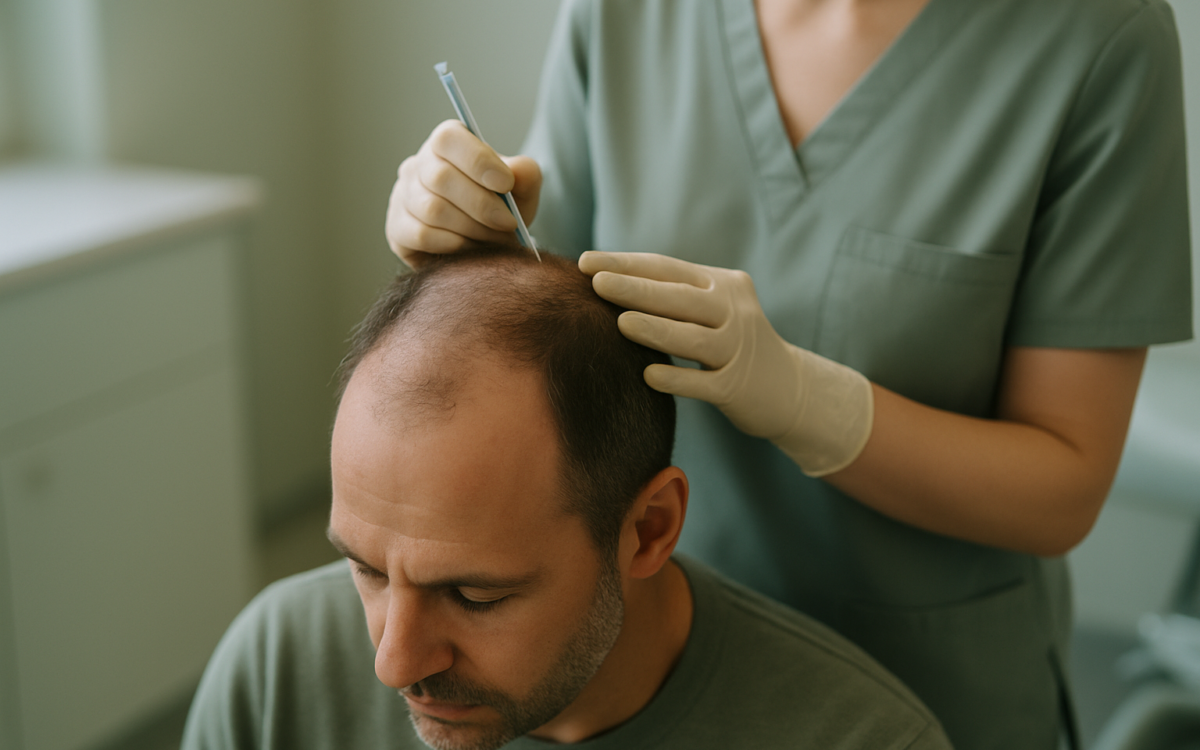
For many men, hair loss can feel like a personal crisis. Whether it’s the early signs of thinning or more extensive baldness, the impact on self-esteem can be significant. Fortunately, modern science offers several options for hair restoration that can help men regain their confidence and improve their look. This article explores effective methods, from lifestyle changes to advanced medical procedures.
Understanding Hair Loss in Men
Before diving into restoration methods, it’s crucial to understand the causes of hair loss. In men, the most common type is androgenetic alopecia—or male pattern baldness—which is largely genetic. Hormones like testosterone play a role in this process, affecting hair follicles over time. Other causes of hair loss can include stress, poor nutrition, medical conditions, and certain medications.
Lifestyle Changes That Can Help
While medical treatments are readily available, lifestyle adjustments can also play a significant role in promoting healthier hair. Here are some changes men can implement:
- Nutrition: Eating a well-balanced diet rich in vitamins and minerals can nourish the body and support hair health. Foods high in omega-3 fatty acids, zinc, and biotin are especially beneficial.
- Stress Management: Chronic stress can contribute to hair loss. Techniques such as meditation, yoga, or regular physical activity can reduce stress levels.
- Avoid Harmful Hair Practices: Frequent use of hot tools, harsh chemical treatments, and tight hairstyles can damage hair. Opting for gentler care can help maintain hair health.
Over-the-Counter and Prescription Treatments
If lifestyle changes alone aren’t sufficient, men can consider various topical and oral medications.
Minoxidil
Minoxidil, commonly known by the brand name Rogaine, is an over-the-counter topical solution. It is applied directly to the scalp and may stimulate hair follicles while promoting hair regrowth. Studies have shown its effectiveness in both slowing hair loss and encouraging new growth, but results can vary from person to person (NIH).
Finasteride
Finasteride, often sold under the brand name Propecia, is a prescription oral medication that blocks the formation of dihydrotestosterone (DHT), a hormone responsible for hair loss. Clinical data indicate that finasteride can help increase hair counts over time, though ongoing use is necessary to maintain results.
Advanced Hair Restoration Techniques
For those seeking more significant change, advanced hair restoration techniques are available. These options typically require consultation with a qualified medical professional.
Hair Transplant Surgery
Hair transplant surgery involves relocating hair follicles from a dense area of the scalp to balding areas. This procedure can yield natural-looking results and is often favored by men with more extensive hair loss. There are different methods of transplantation, including Follicular Unit Transplantation (FUT) and Follicular Unit Extraction (FUE). Each has its pros and cons, and a consultation can help determine the best approach based on individual needs.
Platelet-Rich Plasma (PRP) Therapy
PRP therapy involves drawing a small amount of a patient’s blood, processing it to create a concentration of platelets, and then injecting this plasma back into the scalp. Studies suggest that this method can help stimulate hair follicles, leading to increased hair growth. While it’s still considered an evolving treatment, initial outcomes have shown promise (Mayo Clinic).
Maintaining Hair Restoration Results
Regardless of the method chosen for hair restoration, ongoing care is essential. Regular follow-ups with a healthcare provider can ensure that any potential issues are addressed early on. Additionally, maintaining a healthy lifestyle, including proper nutrition and stress management, can support hair health and help maintain the results of any treatments.
When to See a Doctor
If you’re experiencing significant hair loss that impacts your confidence or quality of life, consulting a healthcare professional is a crucial first step. They can help determine the cause of your hair loss, discuss your options, and develop a tailored treatment plan that suits your needs.
In summary, hair loss in men can be distressing, but numerous options are available today to address this common concern. From simple lifestyle changes to advanced medical treatments, men can find an approach that works for them, helping them regain not only their hair but also their confidence.
