
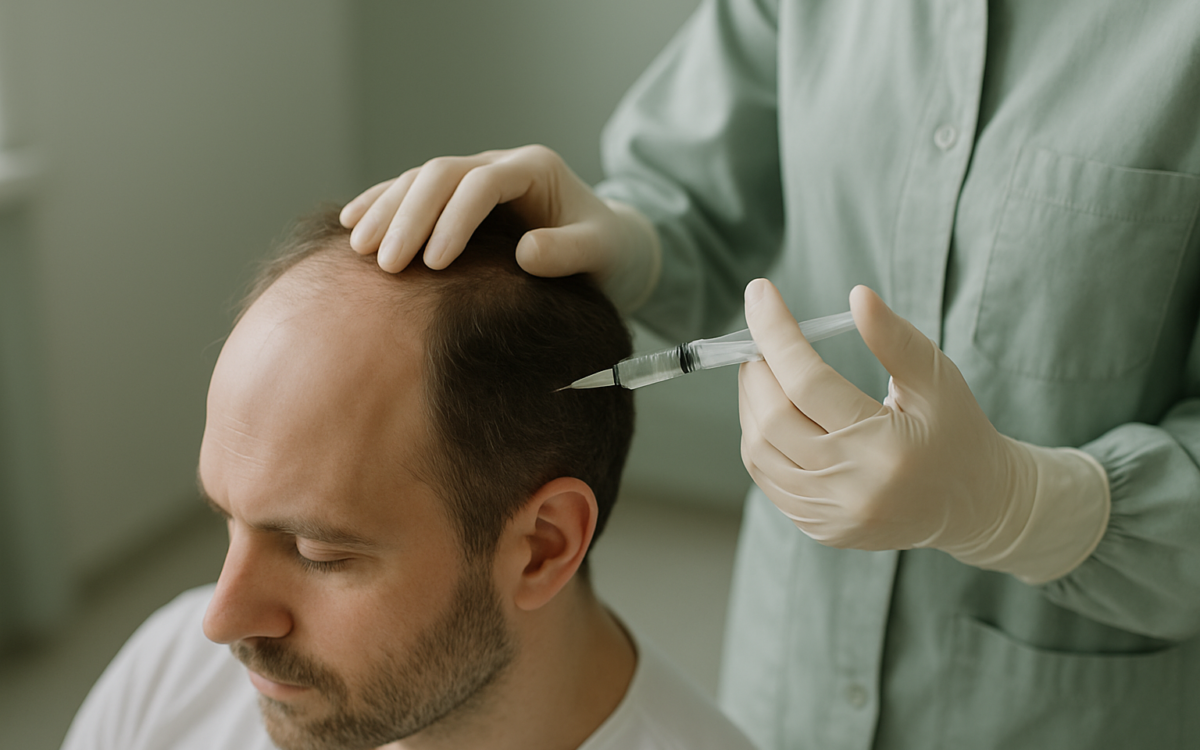
As we age, many of us notice our hair thinning or even falling out. This can be an unsettling experience for anyone. Fortunately, the advancements in hair restoration techniques and treatments offer hope for those seeking to reclaim their luscious locks. In this guide, we will explore various methods and lifestyle changes that can help you restore your hair and boost your confidence.
Understanding Hair Loss
Hair loss affects millions of people worldwide and can happen for various reasons, including genetics, hormonal changes, nutritional deficiencies, or health conditions. Understanding the underlying cause of your hair loss is essential in choosing the right hair restoration approach.
For instance, male and female pattern baldness is often hereditary, while temporary hair loss can result from stressful events, illness, or specific medications. A thorough evaluation by a healthcare professional can help pinpoint the cause and guide you on the best restoration methods.
Lifestyle Changes for Healthier Hair
Before diving into treatments, consider simple lifestyle changes that can significantly impact the health and appearance of your hair:
- Nutrition: A balanced diet rich in vitamins and minerals, especially iron, zinc, and biotin, is crucial for healthy hair.
Foods like leafy greens, eggs, nuts, and fish can help strengthen your locks. - Hydration: Staying hydrated promotes healthy scalp circulation, which is vital for hair growth. Aim to drink at least eight glasses of water a day.
- Stress Management: High-stress levels can lead to hair loss. Practices such as yoga, meditation, and adequate sleep can reduce stress and enhance hair health.
Top Hair Restoration Treatments
There are numerous treatments available today that cater to different causes of hair loss. Here are some of the most common and effective options:
Medications
Two FDA-approved medications for hair loss are minoxidil and finasteride. Minoxidil (Rogaine) is a topical treatment that can stimulate hair growth and is suitable for both men and women. On the other hand, finasteride (Propecia) is an oral medication primarily for men that helps block the hormone responsible for hair loss.
While these medications may not be effective for everyone, clinical studies have shown they can significantly improve hair density and growth in many users. Always consult your doctor before starting any medication.
Hair Transplant Surgery
For those who seek a more permanent solution, hair transplant surgery can be an option. This procedure involves moving hair follicles from a dense area (often the back of the scalp) to the thinning or bald areas. Techniques have advanced over the years, with Follicular Unit Extraction (FUE) offering less invasive options and quicker recovery times.
It’s essential to research qualified surgeons and clinics, as the skill and experience of the medical team greatly influence the results. Additionally, overseas clinics like Acibadem International may offer competitive pricing for high-quality care, making it a viable option for many.
Natural Remedies
If you prefer a gentler, more natural approach, various home remedies may promote hair health. Ingredients like castor oil, coconut oil, and aloe vera are often praised for their nourishing properties. Massaging these oils into your scalp can help stimulate blood flow and provide essential nutrients.
While natural remedies may not offer the same results as medical treatments, they can still be beneficial for overall scalp health when combined with consistent care and the right products.
Hair Care Products to Consider
Choosing the right hair care products can make a significant difference in your hair’s appearance and health. Here are a few types of products to look for:
- Shampoos and Conditioners: Look for those that contain ingredients like biotin, keratin, and caffeine, which may support hair strength and growth.
- Leave-in Treatments: These products provide ongoing nourishment and protection, often containing vitamins and oils that can help your hair feel smoother and healthier.
- Scalp Treatments: Products that promote a healthy scalp environment can improve overall hair growth. These may include exfoliating scrubs or soothing toners.
Staying Positive and Patient
Hair restoration is often a gradual process. It can take several months to notice significant changes. Staying positive, maintaining a healthy lifestyle, and being patient are crucial throughout this journey. Remember, everyone’s hair growth journey is unique, and what works for one person may not work for another.
If treatments are not showing the desired effects, consult with your healthcare provider, who may suggest different strategies or refer you to a specialist.
When to See a Doctor
If you notice sudden hair loss, scalp inflammation, or other concerning symptoms, it’s essential to consult a doctor. They can evaluate your condition, identify potential underlying issues, and recommend appropriate treatments to help restore your hair.
In conclusion, hair restoration is a multifaceted journey. With the right knowledge, treatments, and lifestyle adjustments, you can take significant steps toward achieving your hair goals. While every person’s situation is unique, being informed can empower you to make the best decisions for your personal hair health.
