
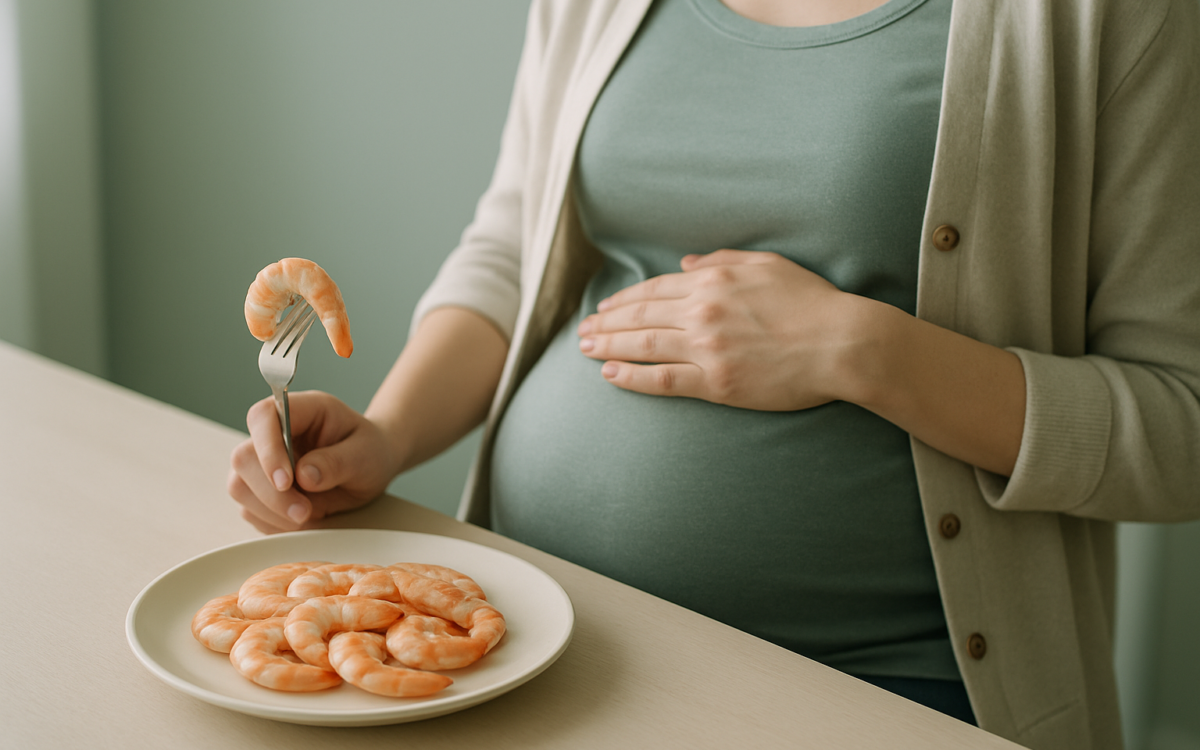
When you’re expecting, nutrition becomes one of your top priorities. You want to ensure you’re eating foods that are safe and healthy for you and your growing baby. One common question many pregnant women have is whether they can eat shrimp. The good news is that shrimp can be a nutritious part of your diet, but there are some important considerations to keep in mind.
Nutritional Benefits of Shrimp
Shrimp is low in calories and high in protein, making it an excellent addition to a balanced diet. Just a 3-ounce serving of shrimp provides around 20 grams of protein while being low in fat. Additionally, shrimp is rich in several essential nutrients:
- Omega-3 Fatty Acids: Important for brain development in the fetus.
- Vitamin B12: Crucial for red blood cell formation and proper nerve function.
- Iodine: Supports healthy thyroid function, which is vital during pregnancy.
- Selenium: Acts as an antioxidant and helps maintain a healthy immune system.
These nutrients can contribute positively to your pregnancy, helping both you and your baby stay healthy.
Is Shrimp Safe to Eat During Pregnancy?
Yes, most pregnant women can safely eat shrimp as part of a balanced diet. However, safety depends on several factors:
Cooking Methods Matter
Raw or undercooked shrimp can pose health risks. To ensure safety, always cook shrimp until it’s opaque and firm. Sushi containing shrimp should also be avoided unless it’s cooked.
Source of the Shrimp
Choose sources of shrimp that are known to be safe and sustainable. Wild-caught shrimp generally have lower levels of contaminants compared to farmed shrimp, which can sometimes contain harmful additives. Always opt for reputable sources, and be wary of shrimp imported from regions with lax food safety standards.
Potential Risks to Consider
While shrimp is generally safe, there are some risks to be aware of:
Mercury Levels
Seafood can sometimes contain mercury, a toxic metal that can affect fetal development. Fortunately, shrimp is one of the seafood options lower in mercury. According to the CDC, shrimp is categorized as “safe” in terms of mercury consumption during pregnancy, making it a good choice compared to larger fish like shark or swordfish.
Allergies
If you have a shellfish allergy, it is important to avoid shrimp and any other crab or lobster products. Allergies can develop at any time, so even if you previously enjoyed shrimp, consult your doctor if you notice any signs of allergy.
How Much Shrimp Can You Eat?
Moderation is key! The Dietary Guidelines for Americans recommend that pregnant women eat at least 8 to 12 ounces of a variety of seafood each week, but some seafood should be limited or avoided. Shrimp is included in the safe list, but it is crucial to vary your seafood choices to minimize exposure to any potential contaminants.
Alternative Seafood Options
If you enjoy seafood, consider incorporating different types of fish that are low in mercury. Here are some options:
- Salmon
- Sardines
- Trout
- Canned light tuna (in limited quantities)
These options can also provide beneficial nutrients similar to those found in shrimp.
When to See a Doctor
If you have specific questions about your diet during pregnancy, or if you experience any adverse reactions after eating shrimp, consult your healthcare provider for personalized advice. It is especially important to seek help if you have a seafood allergy or symptoms of foodborne illness, such as nausea, vomiting, or diarrhea after consuming shrimp.
Conclusion
Shrimp can safely be part of your diet during pregnancy, provided it is cooked properly and sourced responsibly. Along with other sources of protein and essential nutrients, shrimp can contribute positively to your prenatal health. Always remember to consult your healthcare provider for tailored advice to make sure you and your baby are getting the nutrition you need.
