
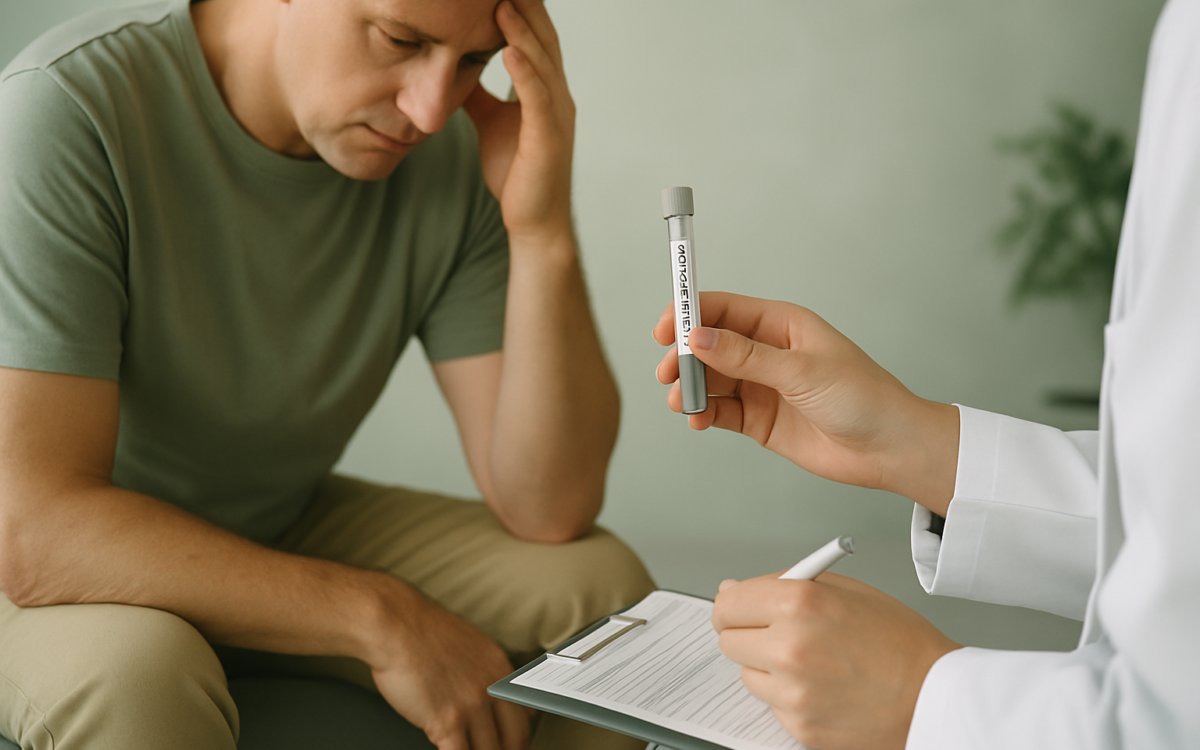
Feeling tired? Have you noticed changes in your mood or energy levels? These could be signs of low testosterone, a condition that affects many men as they age. Testosterone is a crucial hormone that plays a vital role in various bodily functions, including muscle mass, strength, and mood regulation. Knowing how to identify the signs of low testosterone can help you take steps towards improved health and well-being.
Understanding Testosterone Levels
Testosterone is produced mainly in the testicles, and it is essential for many aspects of male health. As men age, their testosterone levels typically decline, which is a natural part of life. However, some men may experience a more significant drop, leading to low testosterone, also known as hypogonadism.
The normal range for testosterone levels can vary, but levels below 300 ng/dL are often considered low. It’s essential to undergo testing if you suspect you have low testosterone.
Common Symptoms of Low Testosterone
Recognizing the symptoms of low testosterone is the first step toward seeking help. Here are some common signs:
- Fatigue: A persistent feeling of exhaustion can be a key indicator of testosterone deficiency.
- Reduced libido: Many men with low testosterone notice a decrease in sexual desire.
- Erectile dysfunction: Difficulty achieving or maintaining an erection can be related to hormonal imbalances.
- Loss of muscle mass: Testosterone plays a vital role in building and maintaining muscle.
- Increased body fat: Changes in hormone levels can lead to weight gain, particularly around the abdomen.
- Mood changes: Low testosterone may also contribute to feelings of depression, irritability, or anxiety.
Other Signs to Consider
In addition to the more well-known symptoms, low testosterone can manifest in other less obvious ways:
- Difficulty concentrating: Men may experience brain fog or trouble focusing on tasks.
- Sleep disturbances: Low testosterone can lead to insomnia or decreased sleep quality.
- Bone density loss: Essential for maintaining bone health, testosterone deficiency can increase the risk of osteoporosis.
If you are experiencing several of these symptoms, it may suggest that your testosterone levels are lower than they should be.
Testing for Low Testosterone
If you suspect that low testosterone might be affecting your quality of life, the next step is to get tested. A healthcare provider will typically conduct a simple blood test to check your testosterone levels. It’s often recommended to test in the morning when testosterone levels are at their peak. If your testosterone levels are found to be low, your doctor may recommend further testing to rule out other underlying conditions.
Exploring Treatment Options
Treatment for low testosterone varies based on the cause and severity. Options may include testosterone replacement therapy (TRT), which can improve symptoms and restore normal hormone levels. However, this approach may not be suitable for everyone, and it’s essential to discuss the benefits and potential risks with your healthcare provider.
For those considering treatment outside their home country, seeking international patient services can offer tailored options and access to expertise for managing hormone imbalances.
Lifestyle Adjustments to Consider
In addition to medical treatments, lifestyle changes can also make a significant impact on testosterone levels. Here are some recommendations:
- Regular exercise: Engaging in aerobic activity and strength training can help boost testosterone levels.
- Balanced diet: Eating a nutritious diet rich in vitamins and minerals, especially zinc and vitamin D, can support hormone health.
- Adequate sleep: Prioritizing sleep can improve overall health and hormone production.
- Stress management: High stress can lead to hormonal imbalances. Consider mindfulness practices or relaxation techniques.
When to See a Doctor
If you are experiencing several symptoms of low testosterone, or if your overall quality of life seems affected, consider speaking with a healthcare professional. They can conduct tests, discuss your symptoms, and help you explore potential treatment options.
Conclusion
Being informed about low testosterone and its symptoms can empower you to take charge of your health. If you recognize any of the signs mentioned in this article, don’t hesitate to consult a healthcare provider. They can guide you towards appropriate next steps to reclaim your well-being.
