
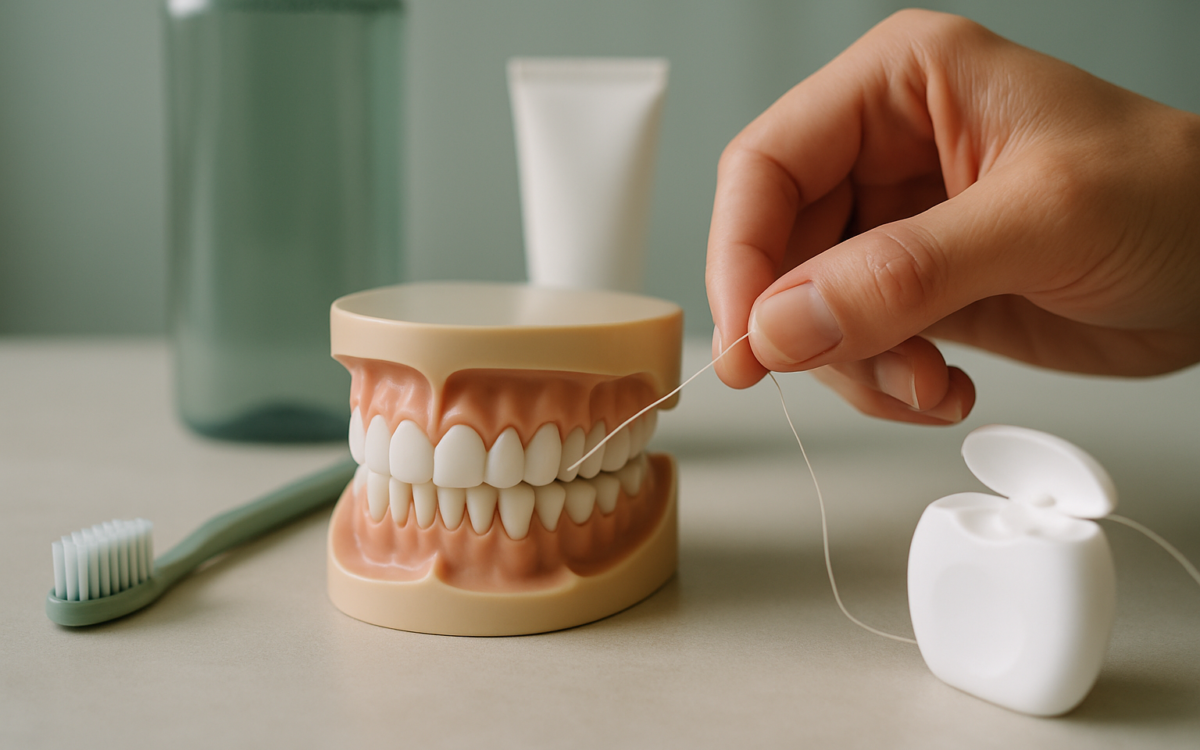
Your gums play a vital role in your overall oral health, providing support for your teeth and preventing infections. Unfortunately, many people overlook gum health until problems arise. The good news is that improving your gum health is achievable with some simple practices. Here, we share effective steps you can take to help keep your gums healthy and disease-free.
Understanding Gum Health
Healthy gums are firm and pink, holding your teeth securely in place. Gum disease, which includes gingivitis and periodontitis, occurs when the tissue becomes inflamed, often due to plaque build-up. If left unchecked, gum disease can lead to tooth loss and other health issues. According to the CDC, gum disease is quite common, affecting nearly half of adults over 30.
Practice Good Oral Hygiene
The first step in improving your gum health is maintaining proper oral hygiene:
- Brush twice a day: Use fluoride toothpaste and a soft-bristled toothbrush. Spend at least two minutes brushing your teeth, focusing on the gum line.
- Floss daily: Flossing removes plaque and food particles from between your teeth, where a toothbrush can’t reach, helping to keep gums healthy.
- Use mouthwash: An antimicrobial mouthwash helps to reduce plaque and prevent gum disease.
Eat a Balanced Diet
Your diet significantly impacts your gum health. Here are some nutritious choices to consider:
- Fruits and Vegetables: Crunchy fruits and vegetables, like apples and carrots, can help reduce plaque and stimulate gums by promoting saliva production.
- Dairy Products: Foods rich in calcium and vitamin D, such as yogurt and cheese, strengthen your bones and support gum health.
- Lean Proteins: Protein sources like chicken, fish, and legumes support tissue repair and overall health.
- Stay Hydrated: Drinking plenty of water helps wash away food particles and bacteria from your mouth.
Avoid Tobacco Products
Tobacco use, including smoking and chewing tobacco, is a major risk factor for gum disease. According to the National Heart, Lung, and Blood Institute, tobacco can weaken your immune system, making it harder for your body to fight off gum infections. Quitting tobacco can greatly enhance your oral health and overall well-being.
Regular Dental Check-ups
Regular visits to the dentist for check-ups and cleanings are crucial in maintaining healthy gums:
- Professional Cleanings: Dental hygienists can remove plaque and tartar that brushing and flossing may miss.
- Early Detection: Your dentist can identify signs of gum disease early, allowing for prompt action and treatment.
- Customized Advice: Dentists can provide personalized recommendations based on your specific dental needs.
Manage Stress
Believe it or not, stress can affect your gum health. When you’re stressed, your body produces extra cortisol, which can lead to inflammation. Consider these stress-relief techniques:
- Exercise: Physical activity is a great way to reduce stress and improve your mood.
- Meditation and Mindfulness: Practices like deep breathing and meditation can help calm your mind.
- Hobbies: Engaging in enjoyable activities can also help reduce stress levels.
When to See a Doctor
If you notice any signs of gum disease, such as persistent bad breath, swollen or bleeding gums, or loose teeth, it’s essential to consult a healthcare professional. Early intervention can help preserve your gums and teeth.
Improving your gum health requires commitment and care, but the benefits are immense. By adopting good habits, being mindful of your diet, and staying consistent with dental visits, you can maintain a stunning smile and steer clear of gum disease.
