
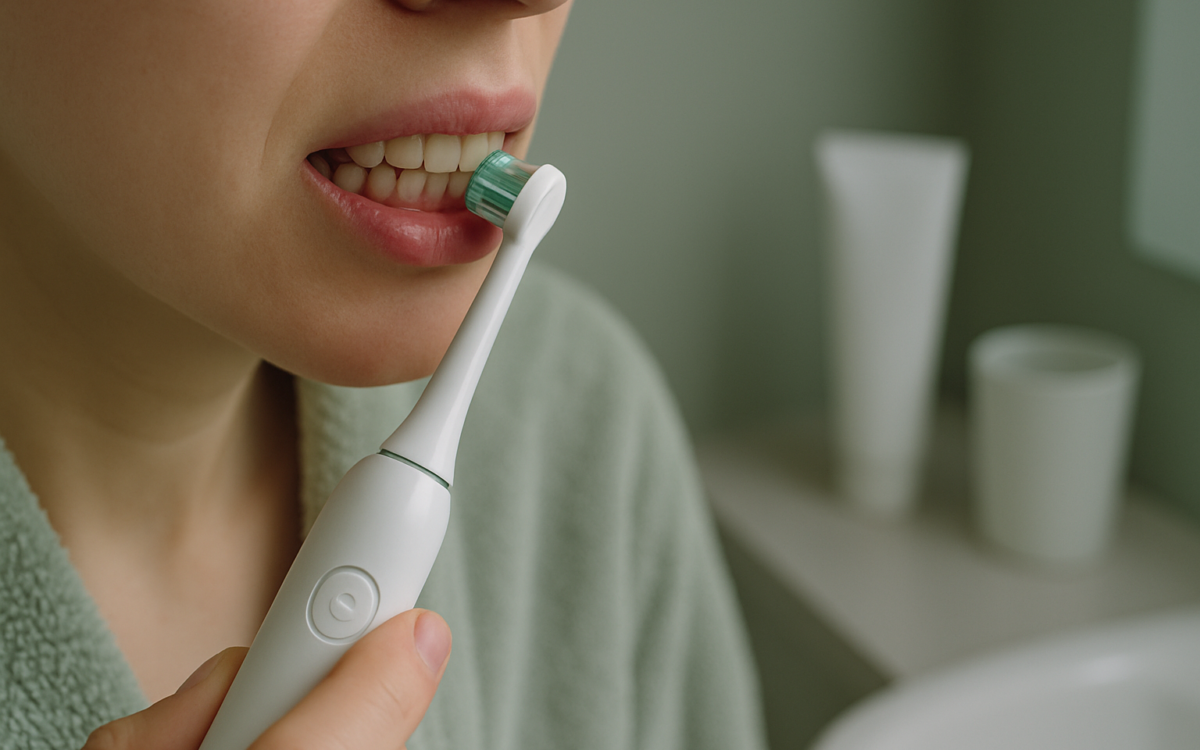
Your smile is one of your most important assets, and healthy gums play a crucial role in maintaining it. Gum problems can range from mild issues like tenderness and swelling to more serious conditions such as gum disease. Fortunately, there are many ways to combat these common issues and promote better gum health. In this article, we will explore the causes of gum problems, effective prevention strategies, and treatment options to help you achieve a healthier mouth.
Understanding Gum Problems
Gum problems often begin with inflammation, known as gingivitis. This condition is commonly caused by a buildup of plaque—a sticky film of bacteria that forms on your teeth. If left untreated, gingivitis can progress to periodontitis, a more severe form of gum disease that can lead to tooth loss. Factors such as smoking, poor nutrition, and certain health conditions can exacerbate gum issues. Understanding these causes is the first step toward prevention and treatment.
Practicing Good Oral Hygiene
One of the most effective ways to prevent gum problems is by maintaining proper oral hygiene. Here are some essential tips to keep your gums healthy:
- Brush Regularly: Brush your teeth at least twice a day using fluoride toothpaste. Be sure to use a soft-bristled toothbrush and gentle circular motions to avoid damaging your gums.
- Floss Daily: Flossing helps remove food particles and plaque from between your teeth and along the gumline, areas your toothbrush may miss.
- Mouthwash: Consider using an antimicrobial mouthwash to help reduce plaque and fight bacteria, providing an added layer of protection for your gums.
Incorporating these habits into your daily routine can significantly enhance your gum health.
Nutrition and Its Impact on Gum Health
Your diet plays a vital role in maintaining overall health, including your gum health. A well-balanced diet rich in vitamins and minerals can strengthen your gums. Here are some dietary tips to consider:
- Stay Hydrated: Drinking water helps wash away food particles and acids that can harm your gums.
- Eat a Variety of Foods: Incorporate fruits and vegetables, especially crunchy ones like apples and carrots, which help stimulate gums and provide essential nutrients.
- Limit Sugary Snacks: Excess sugar consumption can lead to increased plaque buildup and gum inflammation. Opt for healthier snacks to maintain oral health.
By focusing on a nutritious diet, you can support your gums and overall health.
Regular Dental Check-ups
Visiting your dentist regularly is essential for preventing and treating gum problems. Routine dental check-ups allow dentists to monitor your gum health, professionally clean your teeth, and catch any issues early. The American Dental Association recommends visiting the dentist at least twice a year. During these visits, your dentist can:
- Identify early signs of gum disease.
- Provide professional cleaning to remove plaque and tartar buildup.
- Offer personalized advice on oral hygiene practices.
Regular visits to the dentist are a proactive measure in maintaining healthy gums.
Home Remedies for Mild Gum Problems
If you notice signs of mild gum issues, there are several home remedies you might consider trying:
- Saltwater Rinse: Mixing salt with warm water can help reduce inflammation and promote healing in your gums.
- Tea Tree Oil: This essential oil has antibacterial properties. Diluting it with a carrier oil and applying it to affected areas can help combat bacteria.
- Coconut Oil Pulling: Swishing coconut oil in your mouth for 10–20 minutes may help reduce plaque and promote healthier gums.
Keep in mind that while these remedies can be helpful for mild issues, they are not a substitute for professional dental care.
When to See a Doctor
If you experience persistent gum problems, it’s essential to consult your dentist. Signs that you should seek professional advice include:
- Bleeding gums, especially during brushing or flossing.
- Persistent bad breath that does not improve with oral hygiene.
- Swollen or painful gums that do not resolve.
- Loose teeth or changes in bite.
Your dentist can evaluate the situation and recommend appropriate treatment options, which may include deep cleaning, medication, or other interventions.
Conclusion
Taking care of your gums is a vital part of oral health that shouldn’t be overlooked. By practicing good oral hygiene, eating a balanced diet, visiting your dentist regularly, and using home remedies when appropriate, you can effectively manage and reduce gum problems. Remember, a healthy smile is a reflection of overall health, so invest in your oral care for a lifetime of happiness.
