
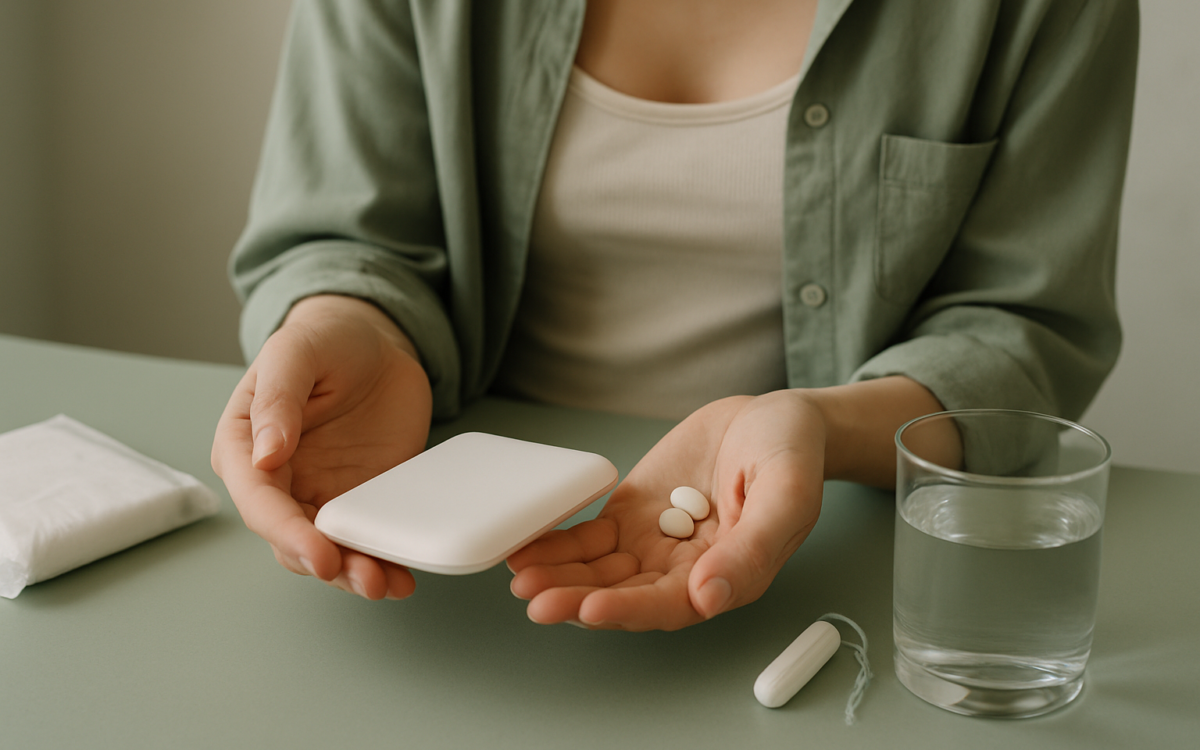
Many women experience menstrual periods that can feel like they last forever. Ranging from a few days to a week or longer, these cycles can be unpredictable and often inconvenient. If you’re looking for ways to possibly help your period end sooner or feel more manageable, you’re not alone. While individual experiences vary, there are several strategies you might consider to help ease your menstrual journey.
Understanding Your Menstrual Cycle
Your menstrual cycle is a natural part of life, marking the monthly changes your body undergoes in preparation for potential pregnancy. It typically lasts about 28 days, but it can range from 21 to 35 days for different individuals. Menstruation itself can last from two to seven days. Understanding your cycle can help you plan accordingly and explore methods to manage its duration.
Hydrate to Help Regulate Your Cycle
Staying well-hydrated can make a significant difference during your period. Dehydration can lead to heavier bleeding and increased discomfort. Aim for at least 8 cups (about 2 liters) of water a day, and consider including hydrating fruits and vegetables, such as watermelon and cucumber, in your diet. Staying hydrated can not only help regulate your cycle but also ease bloating and cramping.
The Role of Diet and Nutrition
Your diet plays a crucial role in how your menstrual cycle unfolds. Consuming a balanced diet rich in fruits, vegetables, whole grains, and lean proteins can help maintain hormonal balance. Some foods, like leafy greens and nuts, can provide the essential nutrients needed during your period. Additionally, consider reducing the intake of refined sugars, caffeine, and salty foods, as they might exacerbate bloating and cramps.
Herbal Supplements and Natural Remedies
Many women turn to natural remedies to manage their menstrual cycles. Some herbs, like ginger and turmeric, have been noted for their potential anti-inflammatory properties. While there isn’t a definitive answer on whether they can shorten your period, some women report experiencing reduced symptoms and a more manageable flow. Always consult with a healthcare provider before starting any herbal treatment.
Physical Activity: Exercise Your Way to Comfort
Regular exercise can challenge menstrual discomfort and potentially impact your cycle’s duration. Engaging in physical activity stimulates blood circulation and can ease cramps, which might make your period feel less burdensome. Activities such as yoga, walking, or light cardio can promote overall physical health and refresh your body. Try to incorporate movement into your daily routine, especially during your menstrual phase.
Consider Hormonal Birth Control Options
If you’re open to it, hormonal birth control methods can play a vital role in regulating your menstrual cycle. Options like the pill, patch, or hormonal IUD can reduce the length and heaviness of your period. Some individuals notice significant changes in their cycles after starting these methods. However, it’s essential to consult a healthcare provider to explore whether this is right for you and understand potential side effects.
Stress Management and Sleep Hygiene
Stress and lack of sleep can impact your menstrual cycle. High-stress levels can lead to hormonal imbalances, which may extend the duration of your period or make symptoms worse. Consider incorporating stress management strategies such as mindfulness practices, meditation, or deep-breathing exercises into your daily lifestyle. Additionally, prioritizing good sleep hygiene, like maintaining a regular sleep schedule and creating a calming bedtime routine, can support your overall health, including menstrual health.
When to See a Doctor
If you find that your periods are consistently heavy, last longer than a week, or are accompanied by severe pain, it’s a good idea to talk with a healthcare professional. Other signs to look out for include any sudden changes in your cycle, clotting, or significant shifts in the regularity of your periods. Consult your doctor to rule out underlying health conditions and explore personalized solutions for your menstrual issues. More information is available through reputable sources like the NIH and Mayo Clinic.
In conclusion, while there’s no one-size-fits-all solution to shorten your period, understanding your body and implementing some of these strategies may help you manage your menstrual cycle more effectively. Keep in mind that it is essential to communicate with your healthcare provider about your experiences and options to ensure your health and wellbeing.
