
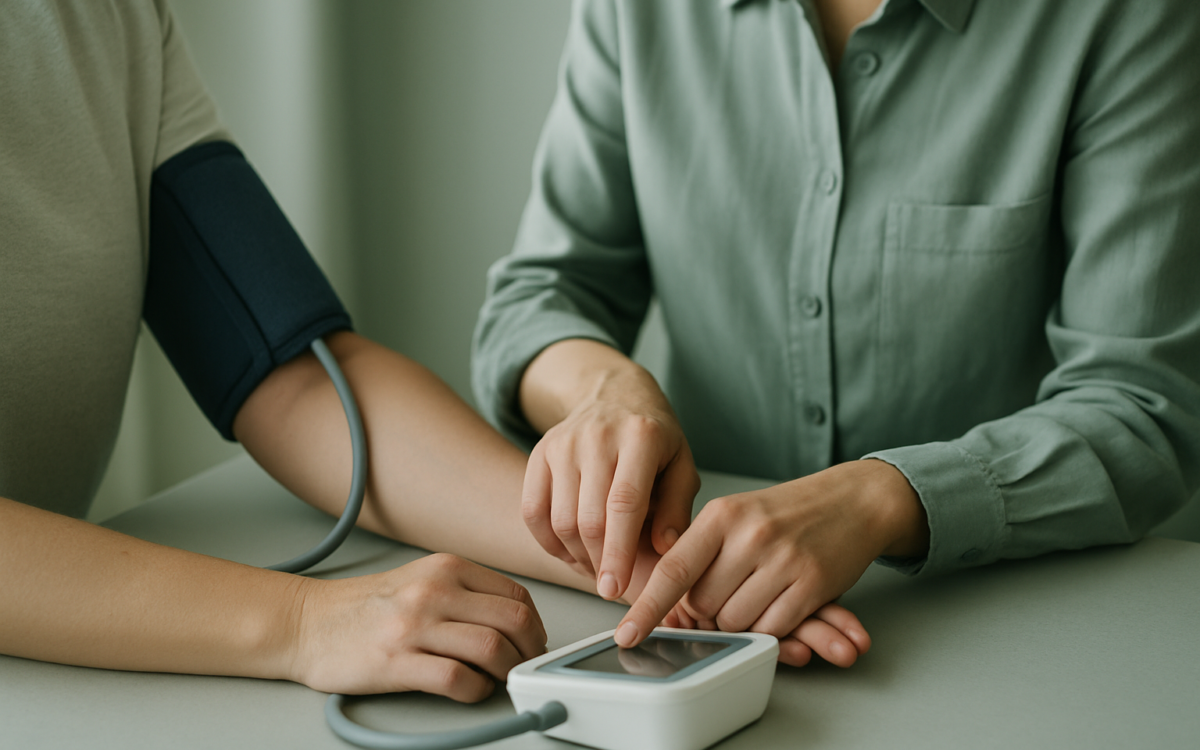
High blood pressure, also known as hypertension, is a common health issue that can have serious consequences if left unmanaged. Many people are not aware they have it, as it often comes with no symptoms. However, understanding how to lower high blood pressure can be key to maintaining your overall health and well-being. Fortunately, several lifestyle changes can effectively help you manage and reduce high blood pressure.
Understanding Blood Pressure Readings
Before diving into how to manage high blood pressure, it’s essential to understand what the numbers mean. Blood pressure is measured in millimeters of mercury (mm Hg) and consists of two readings: systolic (the top number) and diastolic (the bottom number). Normal blood pressure is generally considered to be around 120/80 mm Hg. Readings above 130/80 mm Hg are classified as high blood pressure.
To learn more about blood pressure classifications, visit the CDC website.
Embrace a Heart-Healthy Diet
Diet plays a crucial role in managing blood pressure. The Dietary Approaches to Stop Hypertension (DASH) diet is particularly recommended. This diet emphasizes:
- Fruits and vegetables: Aim for a variety of colors and types.
- Whole grains: Include foods like brown rice, whole-wheat bread, and oats.
- Lean proteins: Choose skinless poultry, fish, beans, and nuts.
- Low-fat dairy: Incorporate options such as low-fat yogurt and cheese.
Additionally, reducing the intake of salt (sodium) can significantly help lower blood pressure. Aim for less than 2,300 mg of sodium per day, and consider aiming for 1,500 mg for even greater reductions. This can be achieved by:
- Cooking at home to control salt intake.
- Reading food labels and choosing low-sodium options.
- Avoiding processed foods which are often high in salt.
Regular Physical Activity
Engaging in regular physical activity is one of the most effective ways to lower blood pressure. Aim for at least 150 minutes of moderate-intensity aerobic exercise per week, such as:
- Brisk walking
- Cycling
- Swimming
- Dancing
Incorporating strength training exercises at least two days a week is also beneficial. Not only does exercise help lower blood pressure, but it also helps control weight, manage stress, and improve overall heart health. For more guidelines, you can check the NIH’s Heart, Lung, and Blood Institute.
Manage Stress Effectively
Chronic stress can contribute to high blood pressure, making stress management an essential part of your health routine. Here are some effective techniques:
- Meditation: Even a few minutes a day can calm the mind and reduce stress.
- Mindful breathing: Focus on your breath to help promote relaxation.
- Yoga: This combines physical movement, meditation, and breath regulation.
- Spending time in nature: Taking walks in parks can enhance mental well-being.
Finding hobbies that bring you joy and laughing with friends can also help alleviate stress. Paying attention to triggers and finding constructive ways to handle them is vital.
Avoid Tobacco and Limit Alcohol Consumption
Both tobacco and excessive alcohol intake can adversely affect your blood pressure. Quitting smoking has immediate and long-term benefits for your heart health. Seek assistance through support groups or medical resources if needed.
When it comes to alcohol, moderation is key. For most adults, this means limiting alcohol consumption to:
- Up to one drink per day for women
- Up to two drinks per day for men
Heavy drinking can lead to elevated blood pressure and other health risks. If you’re concerned about your consumption, consider discussing it with your doctor.
Regular Monitoring and Seeking Professional Guidance
Regularly monitoring your blood pressure is crucial, as it helps track your progress and effectiveness of lifestyle changes. You can measure your blood pressure at home with a digital monitor or visit a healthcare facility for assessment.
It’s essential to maintain regular check-ups with your healthcare provider, especially if you have high blood pressure or are at risk. They can help tailor a plan specific to your needs and provide medical advice and medication if necessary.
When to See a Doctor
If you experience symptoms such as severe headaches, shortness of breath, or vision changes, it’s essential to seek medical attention promptly. Regular screenings are crucial, especially if you have risk factors for high blood pressure.
For further information about when to consult a medical professional, the World Health Organization provides valuable guidelines.
By making these lifestyle changes, you can significantly improve your blood pressure levels and overall health. Remember to consult with your doctor before making new health decisions, especially if you’re already under treatment for high blood pressure.
In conclusion, while high blood pressure can be a daunting diagnosis, taking proactive steps can greatly improve your health outcomes. From dietary changes to physical activity and stress management, every small action counts toward achieving better control over your blood pressure.
