
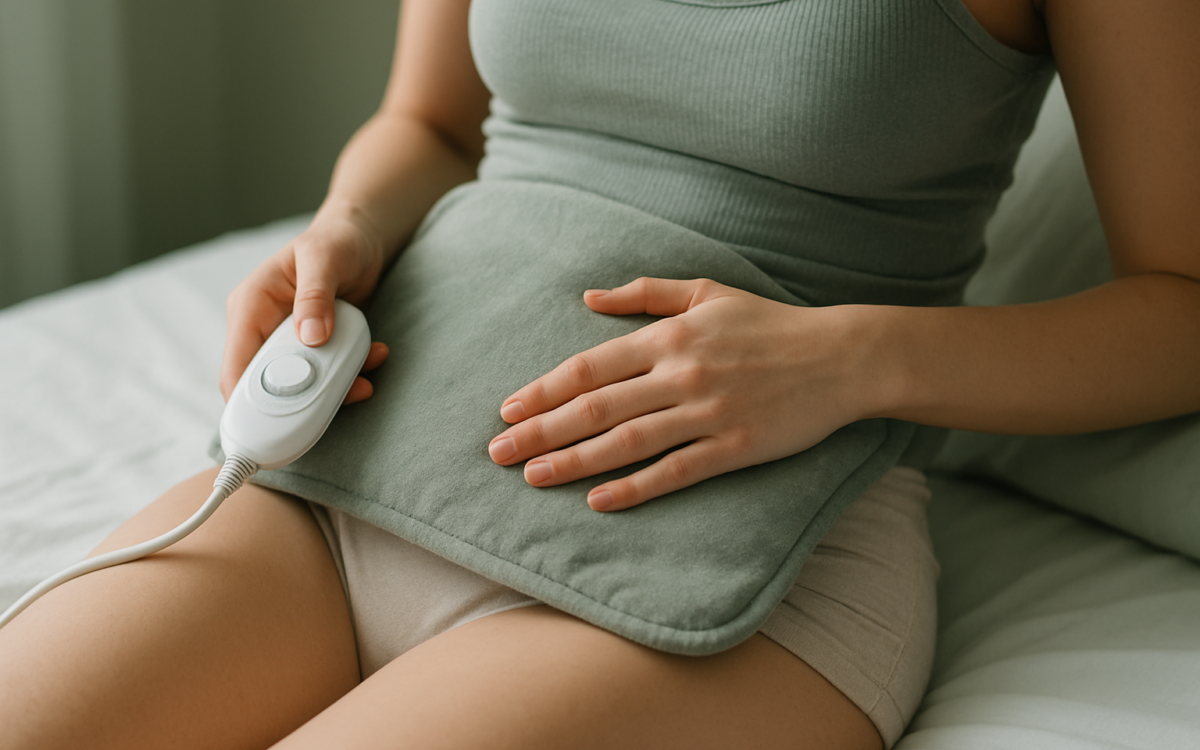
Menstrual cramps can be a daunting monthly challenge for many women. The throbbing pain in the lower abdomen can disrupt daily activities, leaving you searching for effective relief. While over-the-counter medications can help, many people find comfort through more natural methods. One such method that has gained popularity is the use of heating pads. But how exactly do they work, and what are the best practices for using them? Let’s explore!
Understanding Menstrual Cramps
Menstrual cramps, or dysmenorrhea, are caused by contractions in the uterus that help it shed its lining during menstruation. These contractions can sometimes be more intense, leading to discomfort and pain. Factors influencing the severity of cramps include hormonal fluctuations, lifestyle, and overall health.
How Heating Pads Work
Heating pads offer a simple solution for managing the pain associated with menstrual cramps. They apply heat directly to the affected area, which can help relax the muscles in the uterus and increase blood flow. The soothing warmth can also signal your body to reduce pain signals being sent to the brain. According to a study published in the Journal of Pain Research, many individuals report significant relief from cramps when using heat therapy.
Benefits of Using a Heating Pad
- Relief from pain: The warmth helps to relax tense muscles, leading to a reduction in cramping pain.
- Improved circulation: Increased blood flow can help deliver oxygen and nutrients to the area, promoting healing.
- Ease of use: Heating pads are typically easy to use and can be applied discretely while at home, work, or even while relaxing.
- Non-invasive: Unlike medications, heating pads are a drug-free approach that can be used alone or alongside other treatments.
Types of Heating Pads
Heating pads come in various types and sizes, catering to different preferences:
- Electric heating pads: These plug into an outlet and provide consistent heat. They usually have adjustable temperature settings, allowing you to customize the warmth to your comfort level.
- Microwaveable pads: Filled with materials like rice or gel, these pads are heated in the microwave. They are portable and can be used without needing an electric source.
- Hot water bottles: A classic option, hot water bottles are filled with hot water and applied to the abdomen for warmth. They are effective but can lose heat quickly.
How to Use a Heating Pad Safely
To maximize relief and minimize risks, follow these tips when using a heating pad:
- Always place a cloth or towel between the heating pad and your skin to prevent burns.
- Limit use to no more than 20-30 minutes at a time, allowing the skin to cool before reapplying.
- Be cautious if you have conditions such as diabetes or impaired sensation, as you may be at greater risk for burns.
- Consult with your doctor before using heat therapy if you have any underlying conditions or if you’re pregnant.
Alternatives to Heating Pads
If a heating pad isn’t available, or if you’re looking for additional methods to ease menstrual cramps, consider these alternatives:
- Warm baths: Soaking in a warm bath can provide similar muscle relaxation and pain relief as a heating pad.
- Gentle exercise: Activities like yoga or light stretching can help release endorphins, which are the body’s natural painkillers.
- Aromatherapy: Essential oils like lavender can create a calming atmosphere and help reduce stress, indirectly relieving pain.
- Over-the-counter medications: Nonsteroidal anti-inflammatory drugs (NSAIDs) like ibuprofen can help ease cramps, especially when combined with heat therapy.
When to See a Doctor
If menstrual cramps are excessively painful, last longer than two to three days, or are accompanied by other concerning symptoms such as heavy bleeding, dizziness, or nausea, it may be time to consult your doctor. According to the CDC, persistent pain could indicate conditions such as endometriosis or fibroids, which require medical evaluation.
Understanding your body and finding effective methods for pain relief can empower you to handle the challenges of menstruation more effectively. A heating pad might just be the soothing solution you need to say goodbye to those pesky cramps. Remember, what works for one person may not work for another, so explore various options and consult with your doctor for personalized advice.
