
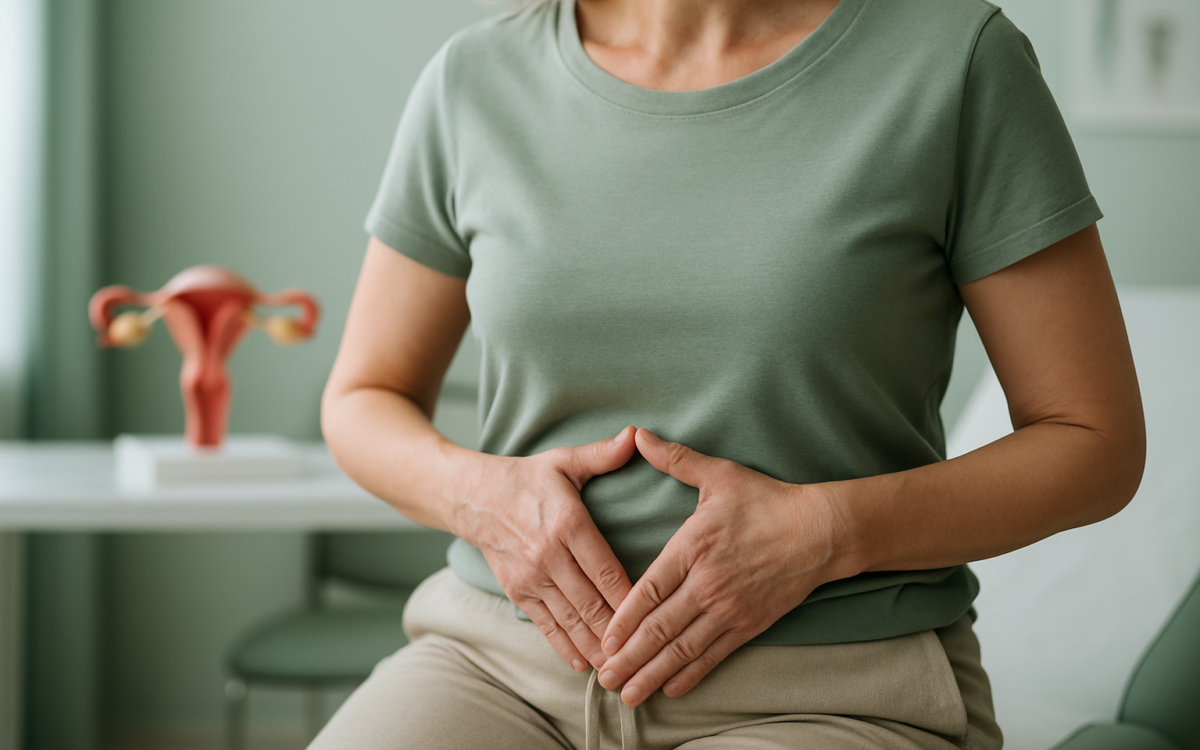
Experiencing a prolapsed uterus can be challenging and often leads to questions about how to manage symptoms and improve quality of life. Fortunately, there are effective strategies that can help, and one of the most recommended is performing Kegel exercises. These pelvic floor exercises strengthen the muscles that support the uterus, bladder, and rectum, and they can be an essential tool for women dealing with this condition.
Understanding a Prolapsed Uterus
A prolapsed uterus occurs when the pelvic floor muscles and ligaments weaken, causing the uterus to slip down into the vaginal canal. This displacement can result from various factors, including childbirth, menopause, obesity, or chronic coughing. Common symptoms include pelvic pressure, urinary incontinence, and discomfort during intercourse. While many women may feel embarrassed or hesitant to seek help, it’s important to understand that this is a common issue, and effective treatments are available.
What Are Kegel Exercises?
Kegel exercises are designed to strengthen the pelvic floor muscles. Named after Dr. Arnold Kegel, who developed them in the 1940s, these exercises are recommended for women experiencing a range of pelvic floor disorders, including prolapse. They involve repeated tightening and relaxing of the pelvic floor muscles, which can improve muscle tone and support surrounding structures.
How to Perform Kegel Exercises
Here’s a simple way to get started with Kegel exercises:
- Identify Your Pelvic Floor Muscles: The easiest way to locate these muscles is to try to stop urination midstream. The muscles you squeeze are your pelvic floor muscles.
- Get into a Comfortable Position: You can do Kegels while sitting, standing, or lying down. Choose a position that feels comfortable for you.
- Squeeze and Hold: Tighten your pelvic floor muscles and hold for 3-5 seconds. Make sure to breathe normally during the exercise.
- Release and Relax: Release the muscles and relax for the same amount of time.
- Repeat: Aim for at least 10 repetitions in one session, and try to do this 3 times a day.
With regular practice, you can see improvements in muscle strength and support over time. It may take a few weeks to notice significant changes, so consistency is crucial.
Benefits of Kegel Exercises for Prolapse
Kegel exercises offer several benefits, particularly for women with a prolapsed uterus:
- Improved Muscle Tone: Strengthening the pelvic floor muscles can help lift and support the uterus, which may alleviate some prolapse symptoms.
- Decreased Urinary Incontinence: Kegels can strengthen the muscles that control urination, reducing the frequency of leaks.
- Enhanced Sexual Function: Many women report improved sexual pleasure and relief from discomfort during intercourse after practicing Kegels.
- Lower Risk of Future Prolapse: By enhancing the strength of the pelvic support, Kegels may help prevent further prolapse incidents.
Additional Strategies for Managing Prolapse
While Kegel exercises are beneficial, they are part of a broader approach to managing a prolapsed uterus. Here are some additional strategies to consider:
- Weight Management: Maintaining a healthy weight can reduce the pressure on your pelvic floor.
- Avoid Heavy Lifting: Refrain from lifting heavy objects, which can exacerbate symptoms.
- Stay Active: Engaging in low-impact exercises such as walking or swimming can improve overall pelvic health.
- International Treatment Options: If you’re exploring diverse healthcare solutions, consider looking into international patient services that may provide unique insights on managing prolapse.
When to See a Doctor
If you’re experiencing symptoms of a prolapsed uterus, it is a good idea to consult a healthcare provider. Seek medical attention if:
- You experience severe discomfort or pain.
- Your symptoms interfere with daily activities or quality of life.
- You notice any unusual bleeding or changes in discharge.
Your healthcare provider can perform a thorough evaluation and suggest appropriate treatments, which may include physical therapy, lifestyle changes, or surgical options.
Conclusion
Kegel exercises are a valuable tool for women dealing with a prolapsed uterus, helping to strengthen muscles and alleviate symptoms. While they can be highly effective, your overall health and comfort should always come first. By combining Kegels with other lifestyle adjustments and seeking proper medical advice, you can navigate the challenges of pelvic floor issues with confidence. Remember, you’re not alone, and support is available.
