
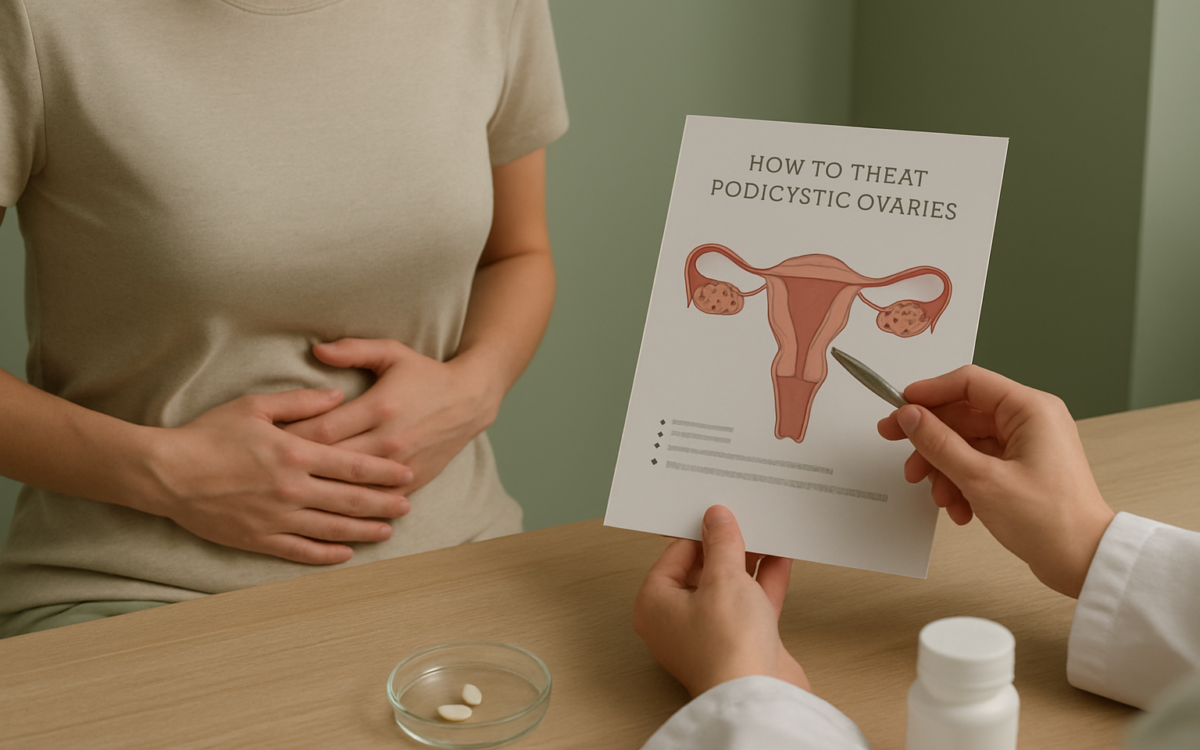
Polycystic Ovarian Syndrome (PCOS) is a hormonal disorder that affects many women, often causing various health issues such as irregular periods, weight gain, and fertility challenges. Understanding how to manage and treat PCOS can significantly improve quality of life and overall health. In this article, we will explore several treatment options and lifestyle changes to help manage this condition.
Understanding Polycystic Ovarian Syndrome
PCOS is characterized by a combination of symptoms, including:
- Irregular menstrual cycles
- Excess hair growth (hirsutism)
- Weight gain
- Thinning hair on the scalp
- Acne or oily skin
While the exact cause of PCOS is still being studied, it is often associated with insulin resistance and hormonal imbalances. Managing these factors is crucial in treating the symptoms of PCOS.
Lifestyle Changes for PCOS Management
One of the most effective ways to manage PCOS is through lifestyle changes. Here are some practical steps you can take:
1. Maintain a Healthy Diet
A balanced diet plays a critical role in managing PCOS. Focus on:
- Whole foods: incorporate plenty of fruits, vegetables, whole grains, and lean proteins.
- Limit sugars and processed foods: reducing sugar intake can help manage insulin levels.
- Stay hydrated: drinking enough water supports metabolism and overall health.
2. Regular Exercise
Physical activity can help with weight management and insulin sensitivity. Aim for at least:
- 150 minutes of moderate aerobic activity per week, such as walking, swimming, or cycling.
- Strength training at least twice a week to build muscle mass, which helps increase insulin sensitivity.
Medications for PCOS
For many women, lifestyle changes alone may not be enough. Medications can also help manage symptoms:
1. Hormonal Birth Control
Many doctors prescribe hormonal birth control pills to help regulate menstrual cycles and reduce some of the symptoms like excessive hair growth and acne. These pills contain hormones that can help balance your body.
2. Metformin
This medication is commonly used to treat type 2 diabetes but can also benefit women with PCOS. Metformin can improve insulin sensitivity and may help with weight loss and regulating menstrual cycles. Studies have shown that it can also aid in ovulation for women trying to conceive (NIH).
3. Anti-androgen Medications
These medications can help reduce hirsutism (excessive hair growth) and acne. Drugs such as spironolactone work by blocking the effects of androgens, which are hormones that can cause these symptoms.
Fertility Treatments
If you are experiencing infertility due to PCOS, several options are available:
1. Clomiphene Citrate
This medication is often the first-line treatment for women with PCOS trying to conceive. It stimulates ovulation and has shown effectiveness in helping women achieve pregnancies.
2. In Vitro Fertilization (IVF)
For some, IVF may be necessary if other treatments do not work. IVF bypasses some of the challenges that may arise with PCOS and can be an effective method for conception.
Addressing Emotional Health
Living with PCOS can take a toll on emotional well-being. It’s essential to prioritize mental health:
- Consider therapy or counseling to help process feelings related to your diagnosis.
- Join a support group, either locally or online, to connect with others facing similar challenges.
- Practice stress management techniques, such as mindfulness, yoga, or meditation.
When to See a Doctor
If you suspect you have PCOS or if you have already been diagnosed but are struggling with your symptoms, it’s important to consult a healthcare provider. Seek medical attention if you experience:
- Irregular periods that worsen
- Severe acne or hair growth that affects your quality of life
- Weight gain that is difficult to manage
Your doctor can guide you through diagnostic tests and treatment options tailored to your needs.
Managing polycystic ovarian syndrome is an ongoing journey. By making informed lifestyle choices, considering medication, and seeking support, you can effectively address the symptoms and improve your overall quality of life.
