
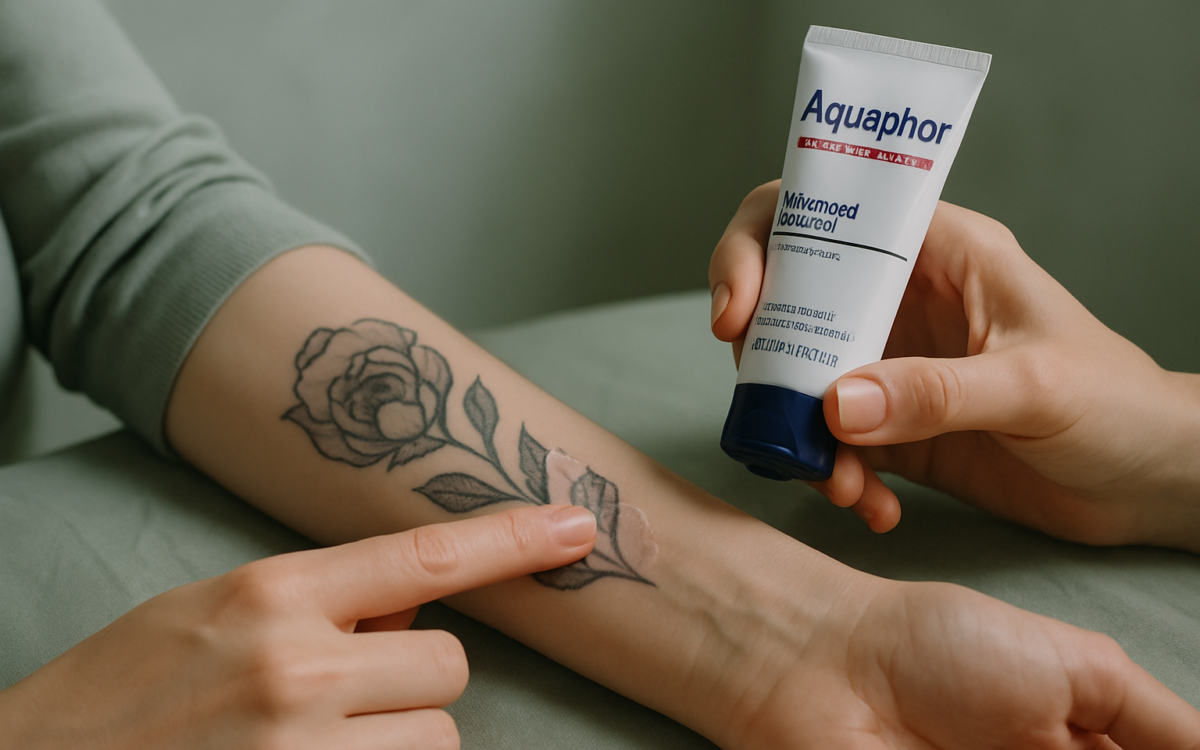
Tattoos have become a popular form of self-expression, but ensuring they heal correctly is crucial for maintaining their beauty. One product that has gained traction in the tattoo community for aftercare is Aquaphor. This versatile ointment can provide the moisture and protection your new ink needs. But how exactly does Aquaphor contribute to tattoo healing? Let’s explore its benefits and tips for using it effectively.
What Is Aquaphor?
Aquaphor is a healing ointment that contains several ingredients designed to promote moisture retention and protect the skin barrier. Its main components include petrolatum, which forms a protective seal, and glycerin, which draws moisture to the skin. Combined, these create an ideal environment for healing skin, making it suitable for various uses, including tattoo care.
Why Use Aquaphor for Your Tattoo?
Using Aquaphor on your tattoo during the healing process can help in several ways:
- Moisture Retention: When your tattoo is healing, keeping the area moisturized helps prevent scabbing, which can lead to faded ink and uneven healing.
- Protection: Aquaphor’s barrier protects the tattoo from external irritants like bacteria, dirt, and other environmental factors that could cause infection.
- Soothing Effect: The ointment can soothe temporary irritation that often accompanies new tattoos, like redness or itchiness.
How to Use Aquaphor on Your Tattoo
To maximize the benefits of Aquaphor, follow these steps after getting your tattoo:
- Keep It Clean: After your tattoo session, your tattoo artist will likely instruct you to cleanse the area gently with mild soap and lukewarm water. Ensure that you do this thoroughly.
- Apply a Thin Layer: Use clean fingers or a cotton swab to apply a thin layer of Aquaphor to the tattooed area. Avoid overusing the product, as too much can suffocate the skin.
- Frequency: Reapply Aquaphor 2-3 times a day, especially after washing the area. Continue this for about 3 to 5 days for optimal results.
When to Transition to Other Products
After the initial healing period, it’s generally recommended to transition from Aquaphor to a more lightweight moisturizer that contains ingredients like shea butter or aloe vera. This will help keep the skin hydrated without the heaviness of an ointment. Some people may prefer to switch to specific tattoo aftercare products that are formulated for healed skin.
Considerations for International Tattoo Care
If you’re traveling abroad and getting a tattoo, you may wonder how to best care for it when you return. Countries like Turkey offer exceptional tattooing experiences, including unique styles and techniques. If you do decide to get your tattoo while on vacation, consider exploring treatment in Turkey for subsequent skin care options to ensure your tattoo heals well.
Potential Risks of Using Aquaphor
While Aquaphor has many benefits, it’s vital to be aware of potential risks:
- Allergic Reactions: Some individuals may experience allergic reactions to ingredients in Aquaphor. Monitor your skin for any redness, swelling, or increased irritation.
- Over-Moisturization: Using too much ointment can lead to clogged pores. This can potentially prolong healing or cause acne in the surrounding skin.
- Not for Everyone: Certain skin types or conditions may not benefit from petroleum-based products, so it’s essential to consult a professional if you have concerns.
When to See a Doctor
If you notice any unusual symptoms while healing your tattoo—such as severe redness, pus, or increased pain—it’s crucial to seek medical attention. These could be signs of an infection, which can be serious if not treated promptly. Always consult your healthcare provider if you’re unsure about your tattoo’s healing process.
While tattoos are a form of art, proper care is just as essential for preserving their beauty. By incorporating Aquaphor into your aftercare routine, you can promote healing, protect your new ink, and enjoy your tattoo for years to come.
